Discover Everything You Need to Know About Walmart Tire Clearance
If you’re looking for the inside scoop on Walmart’s tire clearance events, you've come to the right place. Finding the best deal often comes down to knowing exactly when to look, which brands to watch for, and how to check inventory both in-store and online.
Understanding Walmart's Tire Clearance: What It Really Means
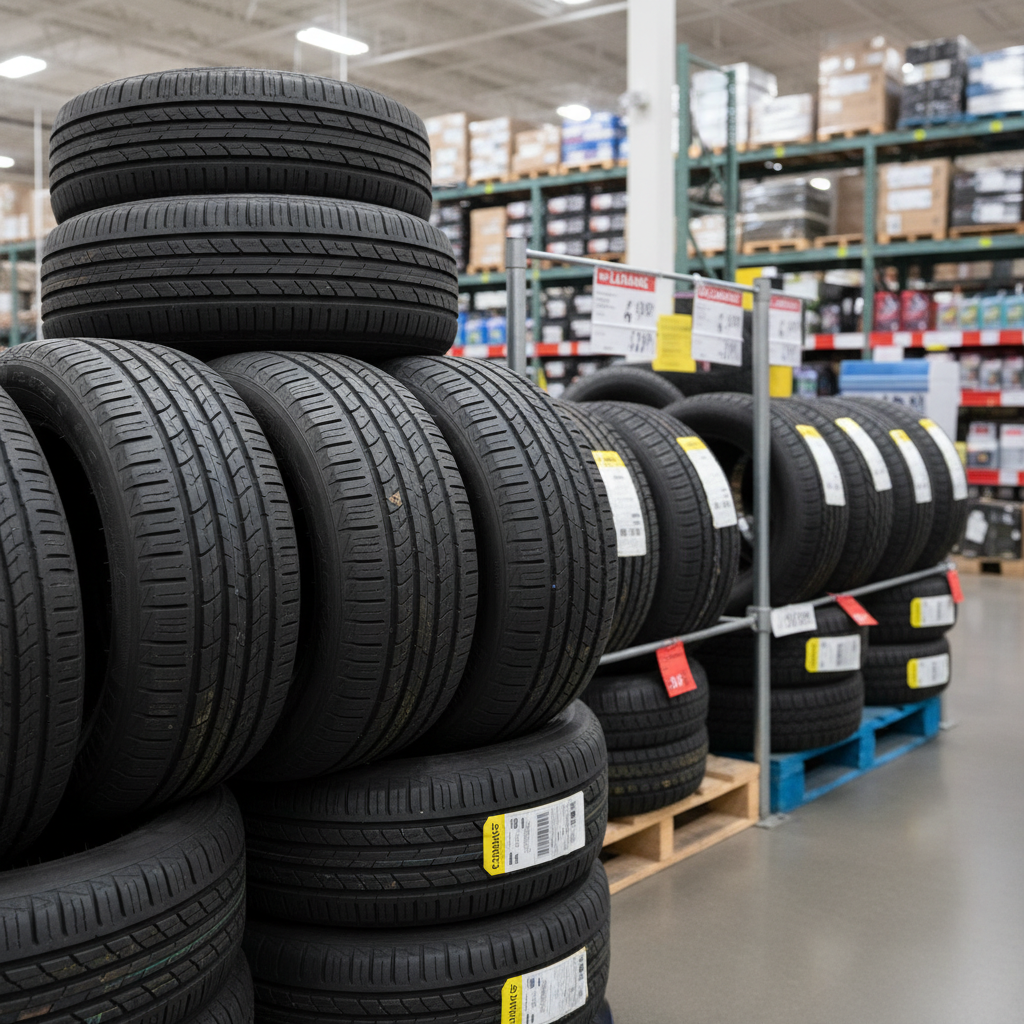
When you see the term "tire clearance" at Walmart, it can signify several things. It's not just about getting a cheap tire; it's about understanding why that tire is being offered at a reduced price. Most often, clearance tires fall into one of a few categories. The most common reason is that the tire is a discontinued model. Tire manufacturers are constantly innovating, releasing new models with updated tread patterns, rubber compounds, and performance characteristics. When a new model is introduced, retailers like Walmart need to clear out the remaining stock of the older version to make room on their shelves and in their warehouses.
Another frequent reason for clearance pricing is overstock. Sometimes, a particular tire size or model may not sell as well as projected in a specific region. To manage inventory and free up capital, Walmart may mark down these excess tires. This is often a great opportunity for consumers, as these tires are typically not old, just over-purchased. Finally, you might find tires on clearance due to their age. While they have never been mounted on a vehicle, tires do have a shelf life. Rubber can degrade over time, so tires that have been in a warehouse for several years might be put on clearance to ensure they are sold before they are considered too old for safe use.
How to Find Walmart Tire Clearance Deals
Finding these deals requires a bit of strategy, as they aren't always advertised on the front page of a flyer. By combining online searches with in-store visits, you can significantly increase your chances of finding a great bargain on a new set of tires.
Checking Online at Walmart.com
The most convenient place to start your search is Walmart's official website. The online tire portal is robust and allows you to filter your search in several ways. Start by entering your vehicle's year, make, and model, or input your specific tire size if you already know it. Once the initial results load, look for sorting or filtering options. You can often sort the results by "Price Low to High," which will naturally bring any clearance or rollback items to the top of the list. Pay close attention to product titles or descriptions that explicitly use words like "Clearance," "Rollback," or "Reduced Price."
Another effective online tactic is to be less specific with your brand search. Instead of filtering for a specific brand like Goodyear or Michelin, leave the brand filter open. This allows the system to show you all available options in your size, including lesser-known or discontinued brands that are more likely to be on clearance. Bookmark the page for your tire size and check back periodically, as online inventory can change rapidly.
Visiting Your Local Walmart Auto Care Center
While online shopping is convenient, nothing beats an in-person visit to your local Walmart Auto Care Center. Many of the best clearance deals are store-specific and may not ever appear online. This can happen when a store has just one or two tires left of a particular model or size that they need to move quickly. Look for designated clearance sections within the tire center, often marked with yellow or red tags. These are physical indicators that the product is marked down for a quick sale.
Don't hesitate to speak directly with the auto care technicians or the service manager. They have the most up-to-date information on current and upcoming promotions. You can ask them directly, "Do you have any tires in my size on clearance?" They may be aware of overstock items or a single returned tire that can be sold at a significant discount. Building a good rapport with the staff can sometimes give you a heads-up on future deals before they are widely advertised.
Timing is Everything: When to Look for Deals
Timing your purchase can play a crucial role in finding clearance tires. Major shopping holidays, particularly Black Friday and Cyber Monday, often feature significant markdowns on tires as Walmart competes for consumer dollars. Beyond major holidays, pay attention to the changing of the seasons. Retailers often clear out all-season or summer tires in the late fall to make room for winter tire inventory. Conversely, you might find great deals on winter tires in the spring as demand subsides.
Another key time to look is when manufacturers release their new tire models. This typically happens in the spring and fall. As retailers get ready to stock the newest products, they will be highly motivated to clear out the outgoing models, leading to some of the best clearance opportunities of the year for savvy shoppers.
What to Expect from Clearance Tires
Securing a deal is exciting, but it's essential to be an informed buyer. Clearance tires come with their own set of considerations that you should be aware of before making a purchase, especially regarding their age and warranty coverage.
Tire Age (DOT Code)
This is arguably the most critical factor to check on a clearance tire. Every tire sold in the United States has a Department of Transportation (DOT) code stamped on its sidewall. The last four digits of this code tell you when the tire was manufactured. For example, a code ending in "3522" means the tire was made in the 35th week of 2022. While there's no strict expiration date, most tire manufacturers and safety experts recommend replacing tires that are between 6 and 10 years old, regardless of tread depth, as the rubber compounds can become brittle over time.
When you find a clearance tire, locate this code immediately. If the tire is already three or four years old, you need to factor that into your value calculation. You'll be getting fewer years of service from it compared to a newly manufactured tire. For most drivers, a tire that is less than two years old is perfectly acceptable, but you should be wary of any tire approaching the five or six-year mark, even if it's brand new and deeply discounted.
Warranty and Return Policies
Always clarify the warranty situation for clearance tires. In most cases, Walmart will honor the standard manufacturer's treadwear warranty, which is based on mileage. However, it's crucial to confirm this at the time of purchase. Ask the technician if the clearance status affects the warranty in any way. Additionally, inquire about Walmart's road hazard warranty. This is an optional add-on that covers damage from potholes, nails, and other road debris. Ensure that you can still purchase this valuable protection for clearance tires.
Similarly, understand the return policy. Most tires sold and installed at Walmart can be returned within a specific period if you are not satisfied. Confirm that this policy applies to clearance items. Since you are buying them "as-is" from an inventory perspective, you want to be sure you have recourse if a problem arises shortly after installation.
The Lifecycle of a Tire: Why Do They Go on Clearance?
The journey of a tire from factory to clearance rack is a fascinating look into the massive logistics of the automotive industry. It begins with extensive research and development by manufacturers like Michelin, Goodyear, and Bridgestone. They spend millions creating new tread designs and rubber compounds to improve grip, fuel efficiency, and longevity. When a new tire model is perfected, production begins on a massive scale, and marketing campaigns announce its arrival. This is the first trigger for clearance events. To make space for these new, premium-priced models, retailers must sell off the previous generation's inventory.
Distribution plays the next major role. National retailers like Walmart order enormous quantities of tires to stock their distribution centers and individual Auto Care Centers. This process involves complex forecasting to predict which sizes and models will be popular in different parts of the country. If this forecast is even slightly off—for instance, if a predicted harsh winter doesn't materialize—a store can be left with a large overstock of winter tires. When this happens, the tires become a liability, taking up valuable space. This is when management will decide to mark them down for clearance to recoup some of the cost and clear the inventory.
Finally, time itself is a factor. A tire is a perishable product, albeit one with a long shelf life. A tire manufactured in 2021 that is still sitting in a warehouse in 2024 is less desirable than one made just a few months ago. As tires age, they move closer to the end of their recommended service life. Retailers track the age of their inventory closely. When tires reach a certain age threshold, they are often moved to clearance to ensure they are sold and put into service rather than being scrapped, making them a great find for a consumer who needs tires immediately and will use them up well before they become too old.
Navigating Additional Costs: Installation and Balancing
Finding a tire on clearance for a great price is only part of the total cost. The advertised price is almost always for the tire itself, not for the services required to get it safely onto your vehicle. Walmart, like most tire retailers, offers an installation package for a per-tire fee. It's essential to budget for this additional expense, which can add a significant amount to your final bill. A standard installation package typically includes mounting the new tire onto the wheel, balancing the wheel and tire assembly, and installing a new valve stem (or servicing the TPMS sensor).
Walmart often has different tiers of installation packages. The basic package covers the essentials, while a more comprehensive "Lifetime Balance and Rotation" package might cost more upfront but save you money over the life of the tires by including these services for free for as long as you own them. Another common add-on is the Road Hazard Warranty. This is a form of insurance that will replace your tire for free or at a prorated cost if it's damaged by a road hazard like a nail or pothole. When comparing the clearance price to a regularly priced tire, make sure you are factoring in these mandatory and optional service costs to understand your true out-the-door price.
Can You Use Other Walmart Coupons on Clearance Tires?
This is a common question for bargain hunters looking to maximize their savings. Generally, Walmart's policy on coupon stacking can be restrictive, especially for large-ticket items like tires that are already heavily discounted. Most tire clearance prices are considered final markdowns, meaning that standard percentage-off or dollar-off coupons for the Auto Care Center may not apply. The terms and conditions of a specific coupon will always state any exclusions, and "clearance items" are a frequent exclusion.
However, it never hurts to ask. Sometimes, there may be a store-level or manufacturer-sponsored rebate that is separate from a coupon. For example, a tire brand might offer a mail-in rebate on a set of four tires, and this promotion might still be valid even if the tires were purchased on clearance from Walmart. Your best bet is to read the fine print on any coupon you have and to speak with the Auto Care Center manager to see if any current promotions or rebates can be applied to your clearance purchase. Also, consider using a Walmart-affiliated credit card, which may offer a percentage back on your purchase as a statement credit, providing an indirect way to save more.
Conclusion
Finding Walmart tire clearance deals can lead to substantial savings for any vehicle owner. The key to a successful purchase lies in a proactive approach that combines online research with in-person visits to your local Auto Care Center. Understanding when to look—such as during seasonal changes or major holidays—can significantly improve your chances. However, being a smart shopper means going beyond the sticker price. It's crucial to inspect the tire's DOT code to ensure it hasn't been sitting on the shelf for too long and to clarify the warranty and return policies before you buy. By also factoring in the necessary costs for installation, balancing, and potential road hazard protection, you can accurately assess the total value of the deal and make an informed decision that keeps your car safe and your budget intact.