Discover Fast-Acting Migraine Relief Options: Which Medications Work Quickly?
When a migraine attack strikes, you need relief that works fast, not in a few hours. If you're looking for the quickest-acting treatments, you've come to the right place.
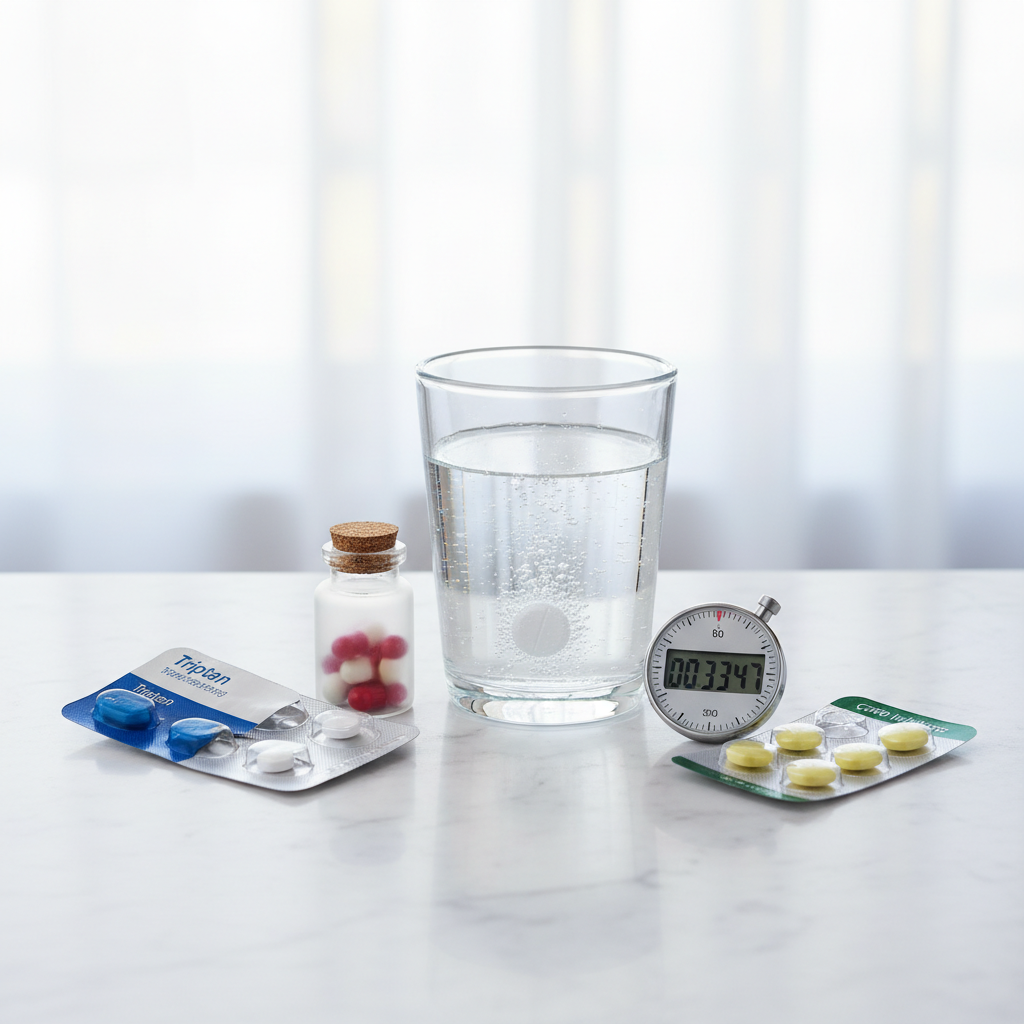
Fast-Acting Migraine Medications to Know About
When a migraine attack strikes, the primary goal is often rapid relief. The throbbing pain, sensitivity to light and sound, and nausea can be debilitating, making fast-acting treatments a crucial part of a migraine management plan. These medications, often called acute or abortive treatments, are designed to stop a migraine attack after it has started. They work in various ways to target the underlying processes of a migraine. The effectiveness and speed of a medication can depend on its type, its form (pill, nasal spray, injection), and an individual's specific biology. Understanding the different classes of fast-acting medications is the first step toward having an informed discussion with a healthcare provider.
It's important to note that what works quickly for one person may not work as well for another. Finding the right fast-acting medication often involves a process of trial and error under the guidance of a doctor. Factors like the severity of your attacks, accompanying symptoms, and other health conditions will influence which medication is most appropriate for you.
Triptans
Triptans are a class of drugs specifically designed for the acute treatment of migraine. They became widely available in the 1990s and are often considered a first-line treatment for moderate to severe migraine attacks. Triptans work by binding to serotonin receptors in the brain, which helps to constrict blood vessels that have dilated during a migraine and reduce the release of certain pain-causing chemicals. This dual action helps to alleviate the head pain and other symptoms like nausea and sensitivity.
This class of medication is known for its relatively fast onset of action. For example, sumatriptan, one of the most well-known triptans, is available in multiple forms. While the oral tablet can start working within 30 to 60 minutes, the injectable form can provide relief in as little as 10 to 15 minutes, making it one of the fastest options available. Nasal spray versions also offer a quicker route for relief than oral pills, often working within 15 to 30 minutes. Other triptans in this class include rizatriptan, zolmitriptan, and eletriptan, each with slightly different timings and formulations.
Gepants (CGRP Receptor Antagonists)
Gepants represent a newer class of acute migraine medications that work by blocking the activity of a protein called calcitonin gene-related peptide (CGRP). CGRP is known to play a significant role in causing the pain and inflammation associated with migraine attacks. By blocking its receptors, gepants can effectively stop the migraine process without causing the blood vessel constriction (vasoconstriction) associated with triptans. This makes them a suitable alternative for individuals who cannot take triptans due to cardiovascular risk factors.
Medications in this class, such as ubrogepant (Ubrelvy) and rimegepant (Nurtec ODT), are taken orally. They are designed to provide relief from pain and other bothersome symptoms within about one to two hours. Rimegepant is formulated as an orally dissolving tablet (ODT), which can be convenient as it doesn't require water and may be absorbed more easily, especially if nausea is a prominent symptom. Gepants are generally well-tolerated and have offered a new, effective, and fast-acting option for many migraine sufferers.
Ditans
Ditans are another relatively new class of acute migraine medication. The primary drug in this class is lasmiditan (Reyvow). Like triptans, ditans also target serotonin receptors, but they are more selective, targeting a specific receptor (5-HT1F) that does not cause the vasoconstriction seen with triptans. This targeted action allows them to address migraine pain without affecting blood vessels, making them another important option for people with cardiovascular concerns who cannot use triptans.
Lasmiditan is an oral medication that can provide pain freedom for many patients within two hours. A key consideration with this medication is its potential side effect of dizziness and drowsiness. Because of this, patients are advised not to drive or operate heavy machinery for at least eight hours after taking a dose. Despite this limitation, its unique mechanism provides a valuable and fast-acting alternative for the right patient.
Ergotamines (Ergot Alkaloids)
Ergotamines are one of the oldest classes of migraine-specific medications. Like triptans, they work by constricting blood vessels and blocking pain pathways in the brain. The most common medication in this class is dihydroergotamine (DHE), which is highly effective for stopping severe or stubborn migraine attacks. While older oral forms were known for significant side effects like nausea, modern formulations have improved their usability.
DHE is particularly known for its fast action when administered via injection or nasal spray. The nasal spray form (e.g., Migranal) can start working within 15 to 30 minutes, while the injectable form provides very rapid relief. DHE is often used in urgent care or emergency room settings to "break" a prolonged migraine attack (status migrainosus) that hasn't responded to other treatments. Due to their potent vasoconstrictive effects, they are not suitable for people with heart disease or uncontrolled high blood pressure.
High-Dose NSAIDs (Nonsteroidal Anti-inflammatory Drugs)
While many people are familiar with over-the-counter NSAIDs like ibuprofen and naproxen, prescription-strength versions can also be a fast and effective treatment for mild to moderate migraine attacks. These drugs work by reducing inflammation and blocking the production of pain-signaling chemicals called prostaglandins. They are not migraine-specific, but they are often effective, especially if taken at the very first sign of an attack.
To enhance their speed, some NSAIDs are available in different formulations. For example, a liquid-gel form of ibuprofen may be absorbed faster than a standard tablet. Diclofenac potassium for oral solution is a powder that is mixed with water, which allows for very rapid absorption and can bring relief within 30 minutes. For many, a simple, high-dose NSAID is a reliable and fast-acting first step in their migraine treatment plan.
Understanding Acute vs. Preventive Migraine Treatment
When discussing migraine medications, it's crucial to distinguish between two primary categories of treatment: acute and preventive. The medications discussed in this article fall squarely into the acute (or abortive) category. Their sole purpose is to stop or significantly reduce the symptoms of a migraine attack that is already underway. They are taken on an as-needed basis, ideally at the first sign of an attack, to achieve the fastest and most complete relief.
In contrast, preventive (or prophylactic) treatments are taken regularly, often daily, to reduce the frequency, severity, and duration of future migraine attacks. These medications are not designed to stop an attack in progress and will not provide immediate relief. Preventive options include a wide range of medications, from blood pressure drugs and antidepressants to newer CGRP monoclonal antibodies administered via monthly or quarterly injections. The goal of preventive therapy is to manage the underlying condition long-term, while acute medications are the tools used to fight the individual battles when an attack breaks through.
Common Questions About Fast-Acting Migraine Relief
Why Does the Form of Medication Matter (Pill, Nasal Spray, Injection)?
The delivery method, or form, of a medication plays a huge role in how quickly it starts to work. The speed is determined by how fast the active ingredient can enter the bloodstream and reach its target in the brain. Oral tablets and pills are the most common form, but they must first pass through the digestive system. This process can take anywhere from 30 to 60 minutes or longer, and its effectiveness can be hindered if the person is experiencing migraine-related nausea and vomiting.
For faster relief, other forms bypass the digestive system. Nasal sprays are absorbed quickly through the mucous membranes in the nose, often providing relief in as little as 15 minutes. Injections (subcutaneous, meaning under the skin) are the fastest method of all, delivering the medication directly into the bloodstream for relief that can begin in 10 minutes or less. Orally dissolving tablets (ODTs) can also offer a slight speed advantage, as they begin to dissolve in the mouth without needing to be swallowed with water.
What is a "Migraine Cocktail"?
The term "migraine cocktail" is commonly used in emergency rooms and urgent care clinics to describe a combination of medications given to stop a severe and persistent migraine attack. There isn't one single formula, but it typically includes a few different classes of drugs administered together, usually intravenously (IV), for maximum speed and effectiveness. The goal is to attack the migraine from multiple angles simultaneously.
A common migraine cocktail might include:
- An NSAID: Often ketorolac, for its powerful anti-inflammatory and pain-relieving effects.
- An Antiemetic: A drug to stop nausea and vomiting, such as metoclopramide or prochlorperazine. These drugs can also have pain-relieving properties on their own.
- An Antihistamine: Often diphenhydramine (Benadryl), which is given primarily to prevent a potential side effect of the antiemetic but may also provide some sedation and relief.
In some cases, other medications like steroids, magnesium, or DHE may be added depending on the patient's symptoms and history. This combination approach is reserved for severe attacks that have not responded to a person's usual at-home medications.
Can Over-the-Counter Medications Work Fast?
Yes, for some people, especially those with mild to moderate migraine attacks, over-the-counter (OTC) medications can provide fast and effective relief. The key is often using the right product at the right time. The most well-known OTC option specifically for migraine is Excedrin Migraine, which combines acetaminophen, aspirin (an NSAID), and caffeine. The caffeine in this combination is not just for energy; it helps constrict blood vessels and can enhance the pain-relieving effects of the other ingredients, making the formula work faster and more effectively.
Other standard NSAIDs like ibuprofen (Advil, Motrin) and naproxen sodium (Aleve) can also be very effective. For the fastest results, it is critical to take the medication at the very first hint of a migraine. Waiting until the pain is severe makes it much harder for any medication, prescription or OTC, to work. For many, a dose of an OTC pain reliever is their first line of defense and is often sufficient to stop the attack from escalating.
Conclusion
Navigating the world of fast-acting migraine medications can feel overwhelming, but understanding the primary options is a powerful step toward managing this complex condition. From the targeted action of triptans and newer gepants to the rapid relief offered by injections and nasal sprays, a variety of treatments are available to stop a migraine attack in its tracks. The speed and effectiveness of these medications depend on their mechanism, their form, and individual patient factors.
Ultimately, the best and fastest-acting medication is the one that is right for your specific health profile and migraine patterns. Consulting with a healthcare provider or neurologist is essential to develop a personalized treatment plan that can provide you with the quick relief you need when a migraine begins.
For further information and resources, you can visit: