Discover Five North Carolina Areas With Reasonably Priced Housing
Discover the top 5 places in North Carolina where housing remains affordable in 2023. From charming small towns to bustling cities, find out where you can still snag a great deal on your next home. Explore the benefits of living in each area without the hefty price tag.
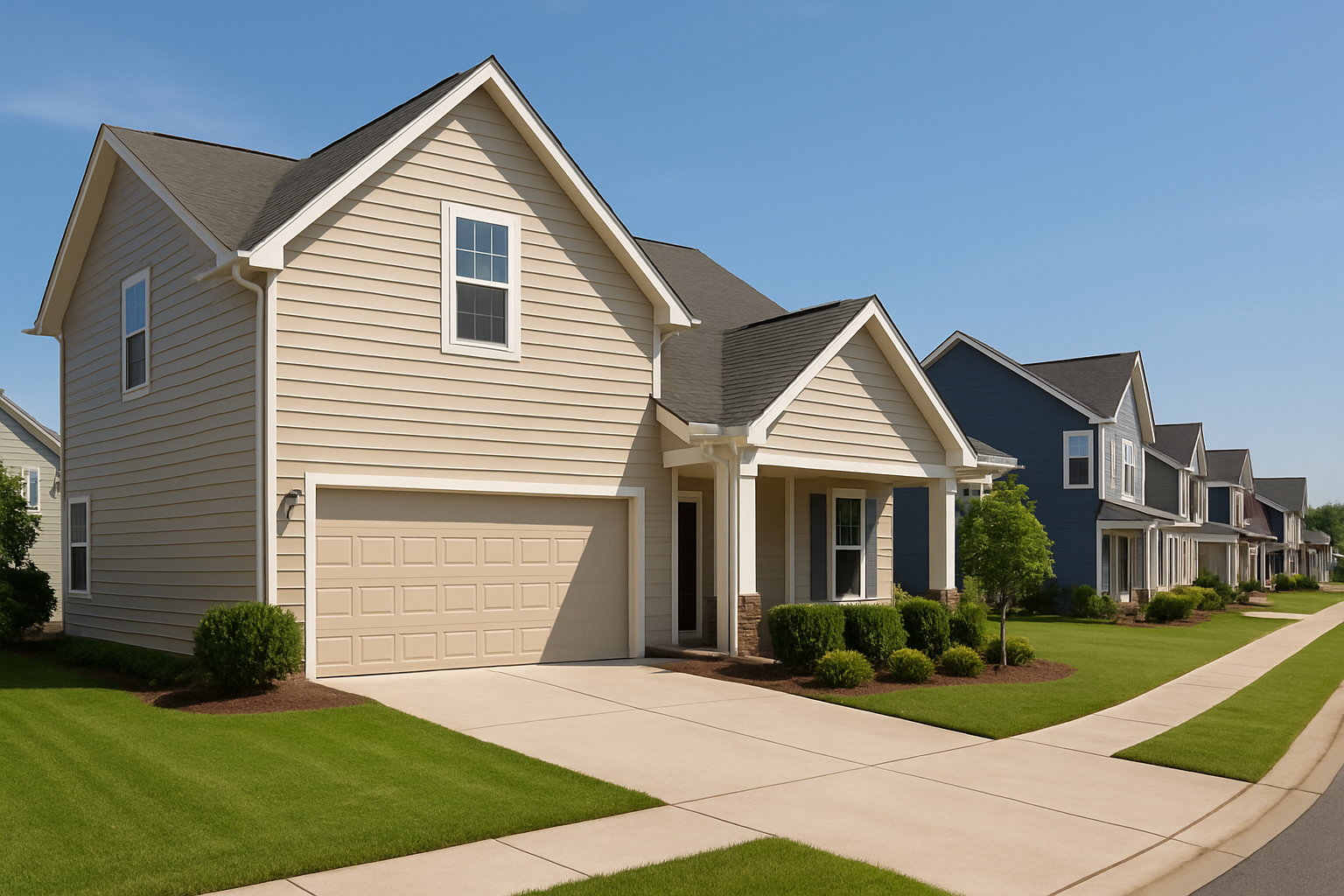
Understanding Affordable Housing in North Carolina
With housing prices continuing to soar across the United States, many people are looking to states like North Carolina for affordable housing options. Known for its diverse landscapes and burgeoning cities, North Carolina offers multiple regions where cost of living remains accessible. Affordability in housing is a crucial issue, especially for first-time buyers or those looking to relocate.
In this article, we explore the top 5 places in North Carolina where housing remains affordable in 2026, considering trends in real estate and economic factors driving availability.
Key Factors Influencing Housing Affordability
Before diving into specific locations, it's important to understand the factors affecting housing affordability. These factors can vary widely even within a single state:
- Market Demand: Areas with lower demand often have more competitive prices.
- Local Economy: Regions with diverse job markets and steady economic growth typically offer better affordability and employment balance.
- Proximity to Urban Centers: Proximity to major cities often influences pricing, though some suburbs and smaller towns remain exceptions due to transportation or development patterns.
Top 5 Affordable Places in North Carolina
1. Fayetteville
Fayetteville, home to Fort Bragg, offers a unique blend of military history, culture, and affordability. It's one of the few places where housing prices have remained stable, with an average home listing price around $230,000 as of 2026. This is significantly lower than the state average, which currently sits at $340,000.
The economic stability provided by the military base extends to local markets, where varied job opportunities bolster the housing market's health.
See more about Fayetteville's home values
2. Winston-Salem
Though part of the Triad metropolitan area, Winston-Salem holds a charm as a historic yet affordable city. Noted for its burgeoning arts scene and historical districts, the city's housing market offers diverse options with an average price of $250,000.
Winston-Salem's community-focused policies contribute to its affordability, making it a top choice for newcomers.
Explore homes in Winston-Salem
3. Greenville
In the eastern part of the state, Greenville shines due to its educational and healthcare sectors. East Carolina University significantly impacts the local economy, providing diversity in housing at accessible prices—hovering around $212,000.
With recent developments in infrastructure and a push for innovation, Greenville remains a viable option for affordable housing seekers.
Check housing trends in Greenville
4. Hickory
Nestled in the foothills of the Blue Ridge Mountains, Hickory offers beautiful scenery paired with affordable living. Known for its furniture manufacturing heritage, the city’s economy has expanded, keeping home prices at a reasonable $220,000 on average.
The city's commitment to economic revitalization and arts culture makes it an attractive, affordable destination.
5. Goldsboro
Goldsboro, located in Wayne County, is another affordable market, with homes averaging $200,000. Its affordability is influenced by its robust military presence and agricultural economy.
As part of the Carolina Core, a development initiative focused on economic growth, Goldsboro benefits from improved infrastructure and community investments.
Additional Considerations for Potential Buyers
While these cities offer affordable housing compared to other regions, prospective buyers should consider a few additional factors:
- Job Market: Evaluate local employment opportunities, especially if relocating for work.
- Crime Rates: Research safety statistics to find a location that suits personal comfort levels.
- Education: Assess school systems if educational quality for children is a priority.
- Community Resources: Consider access to healthcare, transport, and recreational facilities.
By thoroughly examining these aspects, buyers can make informed decisions that align with their lifestyle and financial goals.
Conclusion: Strategic Home Buying in North Carolina
As demonstrated, North Carolina houses numerous areas where affordability meets quality of life, making it a prime choice for individuals and families seeking new opportunities in 2026. Each city's unique advantages cater to different needs and preferences, underscoring the importance of a balanced approach to house hunting.
Given these insights and data, potential homeowners can confidently navigate their options in North Carolina's varied real estate landscape, ensuring a sound investment for the future.