Discover Georgia’s Hidden Gems: 5 Affordable Places to Live
Discover the top 5 places in Georgia where housing is still affordable. This article explores charming towns and cities offering reasonable home prices amidst Georgia's rising market trends.
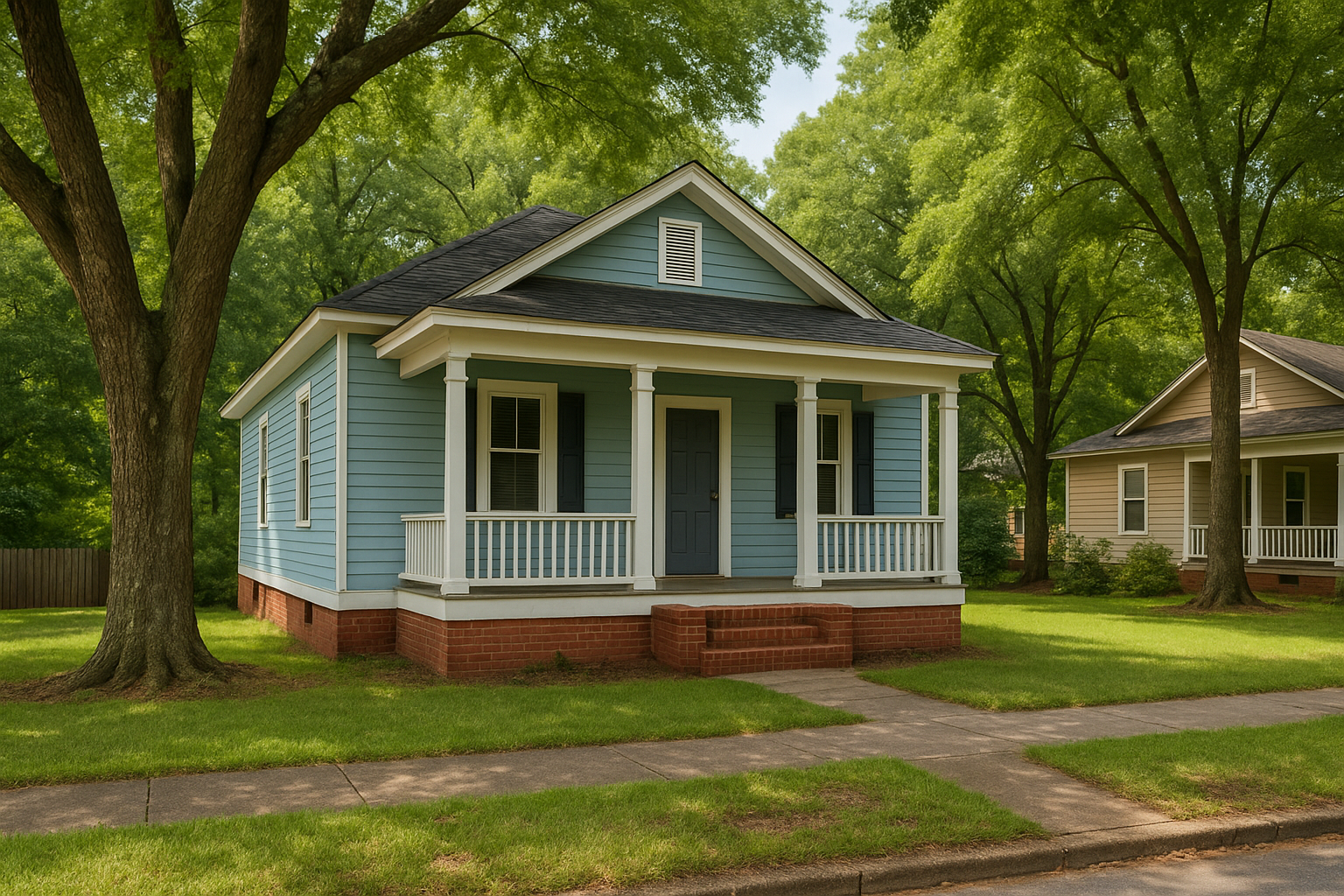
Understanding Affordable Housing in Georgia
Georgia, with its rich history and vibrant culture, offers various living environments across cities, towns, and rural areas. The state's real estate market has exhibited significant growth over the last few years, driven by economic development and population influx. However, amidst rising housing costs nationwide, Georgia still features areas where housing remains affordable. This article explores five locations where you can find budget-friendly housing options, offering insights into factors influencing affordability.
What Defines Affordable Housing?
Affordable housing is typically defined as housing for which household occupants pay no more than 30% of their income for gross housing costs, including utilities. Several factors contribute to affordability, including average income levels, housing supply, and local economic conditions. Understanding these can help potential homebuyers and renters make informed decisions.
Top 5 Places In Georgia Where Housing Is Still Affordable
1. Macon
Known for its musical heritage and historical significance, Macon offers numerous affordable housing opportunities. As of 2026, the median home price in Macon is approximately $180,000, making it an attractive option for first-time buyers or families seeking affordable living spaces.
Macon benefits from several economic development projects aimed at revitalizing the local economy. Its cost-effective housing market, coupled with amenities like parks and cultural offerings, make it a viable option for budget-conscious individuals.
2. Augusta
Famous for hosting The Masters golf tournament, Augusta also boasts a thriving healthcare sector and a burgeoning arts scene. With median home prices around $200,000 in 2026, the city offers affordable living in a vibrant community.
Local initiatives in downtown Augusta, such as the Riverwalk and redevelopment projects, have contributed to maintaining the housing affordability while enhancing residents' quality of life.
3. Columbus
Columbus combines small-town charm with the benefits of urban living. The median home price here stands at about $197,000 as of 2026, remaining under the national average. Its proximity to Fort Benning also provides economic stability and job opportunities.
The city's focus on education and cultural development, including institutions like Columbus State University, attracts diverse demographics, ensuring a balanced and affordable housing market.
4. Albany
Albany offers a rich history and an engaging community atmosphere with house prices averaging around $165,000 in 2026. Despite its compact size, Albany provides ample economic opportunities, especially in the agriculture and logistics sectors.
Local efforts to boost downtown revitalization, such as infrastructure improvements and street enhancements, have helped keep housing costs stable, offering affordable living without sacrificing quality of life.
5. Warner Robins
Ranked as one of the best places to live in Georgia, Warner Robins features affordable housing options, with a median house price of approximately $185,000 in 2026. The city benefits from its proximity to Robins Air Force Base, ensuring steady economic growth.
Warner Robins offers a family-friendly environment with excellent schools, parks, and community events, making it ideal for those seeking both affordability and quality in housing.
Factors Influencing Housing Affordability in Georgia
Economic Growth and Employment Opportunities
Georgia’s diversified economy significantly impacts local real estate markets. With growing industries in technology, manufacturing, and agriculture, the state fosters robust employment ecosystems, influencing housing affordability positively.
Infrastructure and Amenities
Infrastructure developments and community amenities directly correlate with housing demands and prices. Cities investing in transportation, healthcare, and education tend to maintain stable housing prices, benefiting affordability.
Demographic Trends
Population growth and migration patterns also affect housing affordability. Areas with increases in young professionals or families often witness changes in housing demands, influencing market prices accordingly.
Government Policies and Initiatives
Various government initiatives aimed at easing housing burdens—through tax incentives, subsidies, and affordable housing programs—also contribute to maintaining affordability. Prospective buyers should remain informed about applicable local or state policies.
Navigating the Affordable Housing Market
Tips for Homebuyers and Renters
- Research Extensively: Utilize online platforms and local real estate resources to explore diverse property types and their associated costs.
- Consult Local Experts: Engage with real estate agents familiar with Georgia’s affordability dynamics for personalized insights and opportunities.
- Consider Long-Term Value: Assess properties not just on current affordability but potential future value, ensuring sustainable investment.
Whether considering a move or just exploring your options, keeping abreast of market trends and community developments is crucial in securing affordable housing solutions. Understanding the broader economic and social fabric of Georgia enhances this decision-making process, paving the way for a financially sound and satisfying homeownership journey.
Credible sources for further reading: