Discover Great Deals on Iron Weight Plates for Your Home Gym at Walmart
If you're looking to build out your home gym on a budget, you've landed in the right place. Walmart is currently clearing out a solid selection of classic cast iron weight plates, perfect for getting a serious strength training session in.
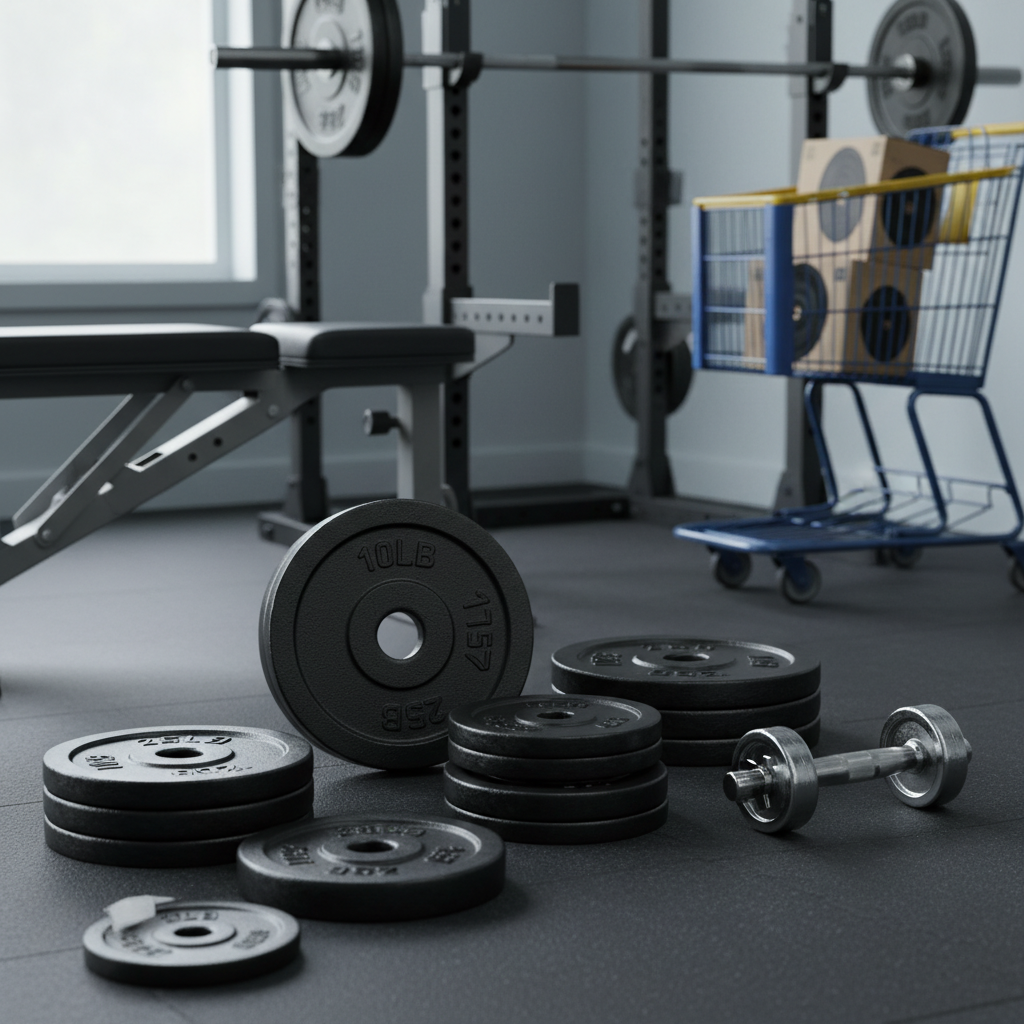
For strength training enthusiasts and those just beginning their fitness journey, the clank of iron weights is a familiar and motivating sound. Building a home gym can be a significant investment, but clearance events offer a prime opportunity to acquire high-quality equipment at a fraction of the cost. Walmart is known for periodically clearing out inventory, and when their iron weight plates go on sale, it’s an event that fitness buffs pay close attention to. Understanding the types of plates available can help you make an informed decision when these deals appear.
Key Types of Iron Plates Often Found in Clearance Events
While specific inventory varies by location and time, these clearance sales typically feature several common types of iron weight plates. Each style has its own specific use case, benefits, and compatibility with different types of barbells and equipment. Knowing the difference is crucial to building a functional and effective home gym.
Classic Standard Iron Plates (1-Inch Hole)
Standard iron plates are perhaps the most common type found in beginner home gym setups. Their defining characteristic is the 1-inch diameter center hole. These plates are designed to fit "standard" barbells and dumbbell handles, which are also 1 inch in diameter. They are typically more affordable than their Olympic counterparts, making them an excellent entry point for individuals on a tight budget. During a clearance event, these plates can become exceptionally cheap, allowing you to build a substantial weight collection for minimal investment.
These plates are perfect for general strength training, including exercises like bicep curls, overhead presses, bench presses, and squats, especially for those not lifting extremely heavy loads. Their simple, no-frills cast iron construction means they are incredibly durable and can last a lifetime with proper care. The primary drawback is that standard barbells have a lower weight capacity than Olympic bars, and the plates are not ideal for movements that involve dropping the bar, like the clean and jerk or snatch.
Olympic Iron Plates (2-Inch Hole)
For more serious lifters or those planning to pursue Olympic-style lifts, Olympic iron plates are the gold standard. These plates feature a 2-inch diameter center hole designed to fit Olympic barbells. The barbells themselves are thicker, heavier (typically 45 pounds), and have rotating sleeves, which reduce torque on the wrists and elbows during dynamic movements. While more expensive at retail, finding Olympic iron plates during a Walmart clearance can represent one of the best values in fitness equipment.
Olympic iron plates are the same kind you would find in most commercial gyms. They are built for heavy-duty use in exercises like deadlifts, squats, and bench presses. Their robust construction and compatibility with high-capacity bars make them the preferred choice for powerlifting, bodybuilding, and general strength training for intermediate to advanced athletes. Even for beginners with long-term goals, starting with an Olympic set can be a wise investment, as it provides a clear path for progression without the need to replace equipment later on.
Grip Plates
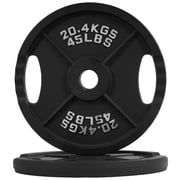
A popular variation of both standard and Olympic plates is the grip plate. Instead of being a solid disc, these plates have built-in openings or handles, making them much easier and safer to pick up, carry, and load onto a barbell. This ergonomic design is a significant quality-of-life improvement, reducing the risk of dropping a plate on your foot or pinching your fingers. The handles also add a layer of versatility to your workouts.
You can use grip plates for a variety of exercises without even needing a barbell. For example, a single grip plate can be used for Russian twists, weighted sit-ups, front raises, overhead tricep extensions, and farmer's walks. This dual functionality makes them an excellent choice for home gyms where space and equipment may be limited. When these appear in a clearance sale, they are often the first to go due to their convenience and versatility.
The Enduring Legacy of Iron: Why Old-School Weights Still Dominate
In an age of high-tech fitness gadgets, smart mirrors, and app-connected cardio machines, the simple cast iron weight plate remains an unshakeable foundation of strength training. Its history is deeply intertwined with the very concept of physical culture and bodybuilding. The appeal of iron goes beyond mere function; it represents a raw, fundamental approach to building strength that has been effective for over a century.
The first adjustable plate-loaded barbell was pioneered in the early 1900s, revolutionizing strength training by allowing users to progressively increase resistance. This simple innovation made effective strength training accessible outside of dedicated strongman gyms. Iron was the material of choice for its density, durability, and relatively low cost of manufacturing. An iron plate from 50 years ago is just as effective as one forged yesterday. This incredible longevity is a key reason for its popularity. Unlike complex machines with cables and pulleys that can wear out, an iron plate is a one-time purchase that can be passed down through generations.
Furthermore, there is a certain tactile and auditory satisfaction that comes with using iron weights. The cold, textured feel of the metal and the distinct "clank" as plates are loaded onto a bar are part of the ritual for many lifters. This sensory feedback creates a focused, no-nonsense workout environment. While newer materials like rubber-coated plates and urethane bumper plates offer benefits like floor protection and noise reduction, they can’t replicate the classic feel and durability of pure cast iron.
Frequently Asked Questions About Iron Weight Plates
When you're looking to purchase iron plates, especially during a sale, several common questions often arise. Addressing these can help you make a better buying decision and ensure your new equipment lasts for years to come.
How Do I Care For and Prevent Rust on My Iron Plates?
Iron's one major vulnerability is rust, which forms when the metal is exposed to moisture and oxygen. Fortunately, preventing and treating rust is straightforward. The best defense is a dry environment. If you store your weights in a garage, basement, or shed, consider using a dehumidifier to control humidity levels. Avoid leaving plates outside or on a damp floor. Wiping them down with a dry cloth after a sweaty workout can also help remove corrosive moisture.
If rust does appear, it’s usually only on the surface and can be easily removed. For light rust, use a stiff wire brush and some elbow grease to scrub it away. For more stubborn spots, you can use a vinegar soak. Submerge the rusty area in white vinegar for a few hours, then scrub with the wire brush. Once the rust is gone, rinse the plate with water, dry it completely, and apply a thin protective coating. A simple spray-on enamel paint (like Rust-Oleum) works perfectly to seal the iron and prevent future rust from forming.
Iron vs. Bumper Plates: Which Is Right for My Workout?
The choice between iron and bumper plates depends entirely on your training style. Classic iron plates are thinner, denser, and generally less expensive. This allows you to load more weight onto a single barbell, which is a major advantage for heavy powerlifting movements like the deadlift. However, iron plates are not designed to be dropped. Doing so can damage the plates, the barbell, your floor, and create a lot of noise.
Bumper plates, on the other hand, are coated in thick, solid rubber and are specifically designed to be dropped from overhead. This makes them essential for Olympic weightlifting (the snatch, the clean and jerk) and functional fitness workouts where dropping the bar is a common and necessary part of the lift. They are thicker than iron plates, meaning you can't fit as much total weight on the bar. If your training is focused on controlled movements like squats, bench presses, and rows, and you don't plan on dropping the bar, iron plates offer better value and space efficiency. If you're into Olympic lifts or CrossFit-style training, bumper plates are a necessity for safety and proper execution of the movements.
Conclusion
Clearance events on fundamental fitness gear like iron weight plates are an invaluable opportunity for anyone looking to build or expand a home gym. By understanding the differences between standard, Olympic, and grip plates, you can identify the equipment that best suits your current needs and future fitness goals. Iron plates offer unmatched durability and value, representing a long-term investment in your health and strength. Keeping an eye out for these sales at retailers like Walmart can help you acquire cornerstone pieces of equipment for a fraction of their usual cost, paving the way for countless effective workouts to come.