Discover How Over-the-Counter Medications Can Ease Sinus Pressure
That relentless, stuffy pressure behind your eyes and nose can be debilitating, and the pharmacy aisle offers a dizzying number of options.
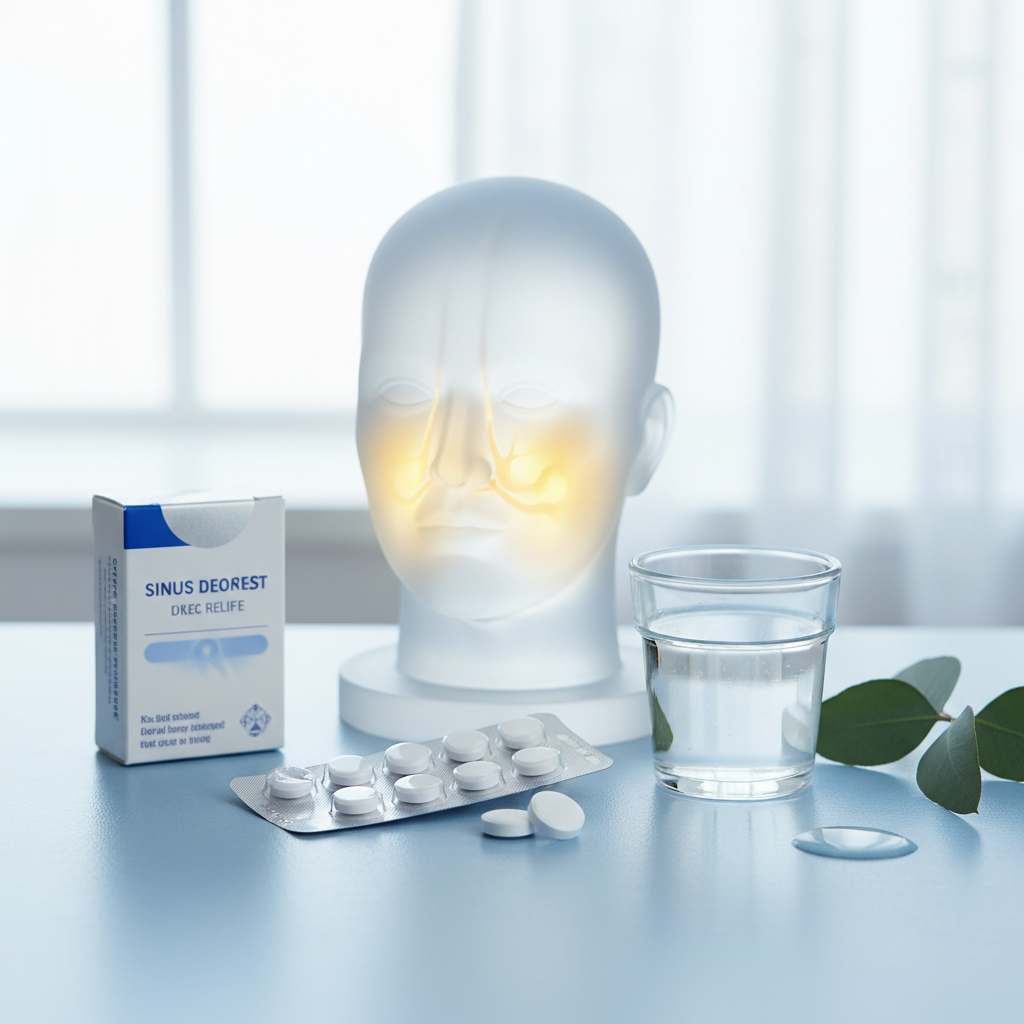
Dealing with sinus pressure can be incredibly uncomfortable, turning a normal day into a challenge. The feeling of fullness, pain, and congestion in your face, head, and ears can be persistent. Fortunately, a variety of over-the-counter and prescription medications are available to provide relief. Understanding the different types of pills, how they work, and what they target is key to finding the right solution for your specific symptoms. This guide breaks down the primary categories of medications used to alleviate sinus pressure.
Types of Medications for Sinus Pressure Relief
When you walk down the pharmacy aisle, the options can be overwhelming. Most sinus relief pills fall into a few main categories, each designed to tackle the problem from a different angle.
1. Decongestants
Decongestants are often the first type of medication people think of for sinus issues. Their primary function is to reduce swelling in the nasal passages. When your sinuses are inflamed due to a cold, allergies, or infection, the blood vessels in the lining of your nose and sinuses swell. This swelling narrows the airways, trapping mucus and creating that familiar feeling of pressure and stuffiness. Decongestants work by constricting these blood vessels, which reduces the swelling and allows mucus to drain more freely, thereby relieving the pressure.
The most common active ingredients in oral decongestants are pseudoephedrine and phenylephrine. Pseudoephedrine is generally considered more effective and is often located behind the pharmacy counter due to regulations, while phenylephrine is widely available on store shelves. It's important to note that decongestants can have side effects, such as increased heart rate, elevated blood pressure, and feelings of jitteriness or anxiety. For this reason, individuals with heart conditions, high blood pressure, or thyroid problems should consult a doctor before using them.
2. Antihistamines
If your sinus pressure is caused by allergies, antihistamines are an essential tool. Allergies trigger the release of a chemical called histamine in your body, which leads to symptoms like sneezing, itching, a runny nose, and inflammation of the nasal passages. This inflammation can block your sinuses and lead to significant pressure. Antihistamines work by blocking the effects of histamine, which helps to reduce these allergic symptoms and the associated sinus congestion and pressure.
There are several generations of antihistamines. Older, first-generation options like diphenhydramine can be very effective but are known for causing drowsiness. Newer, second and third-generation antihistamines, such as loratadine, cetirizine, and fexofenadine, are non-drowsy or less-drowsy and are typically preferred for daytime use. While they are most effective for allergy-related sinus pressure, they are sometimes included in combination cold and sinus medications to help dry up a runny nose.
3. Pain Relievers (Analgesics)
Sinus pressure is often accompanied by pain, such as headaches, facial tenderness, or even toothaches. Over-the-counter pain relievers can be highly effective at managing this discomfort, even if they don't address the root cause of the congestion. These medications work by blocking the production of chemicals in the body called prostaglandins, which are involved in inflammation and the signaling of pain. By reducing these signals, analgesics can make the symptoms of sinus pressure much more tolerable while your body fights off the underlying issue.
Common choices for pain relief include acetaminophen, ibuprofen, and naproxen sodium. Acetaminophen is effective at relieving pain and reducing fever but does not have significant anti-inflammatory properties. Ibuprofen and naproxen belong to a class of drugs called nonsteroidal anti-inflammatory drugs (NSAIDs). They not only relieve pain but also actively reduce inflammation, which can provide an added benefit for swollen sinus tissues. Many multi-symptom cold and sinus products combine a pain reliever with a decongestant or antihistamine for comprehensive relief.
4. Corticosteroids
For more severe or chronic sinus inflammation, a doctor might prescribe corticosteroids. Unlike the other medications on this list, oral corticosteroids are powerful anti-inflammatory drugs that are typically reserved for persistent cases that don't respond to over-the-counter treatments. They work by suppressing the body's overall immune response, which dramatically reduces inflammation throughout the body, including in the sinuses. This can provide rapid and significant relief from severe pressure and congestion.
Oral corticosteroids, such as prednisone, are usually prescribed as a short-term treatment due to the potential for significant side effects with long-term use. Nasal steroid sprays, which deliver the medication directly to the nasal passages, are a much more common and safer long-term option for managing chronic sinusitis and allergies. However, for an acute, severe flare-up of sinus pressure, a short course of oral steroid pills can be highly effective at breaking the cycle of inflammation.