Discover Natural Techniques for Quick Migraine Relief
When a migraine strikes, finding relief that works *now*—not in a few hours—is the only thing that matters. You’re in the right place. We've gathered five simple, at-home strategies you can use immediately to ease the pain, from a specific cold therapy method to a simple pressure point technique.
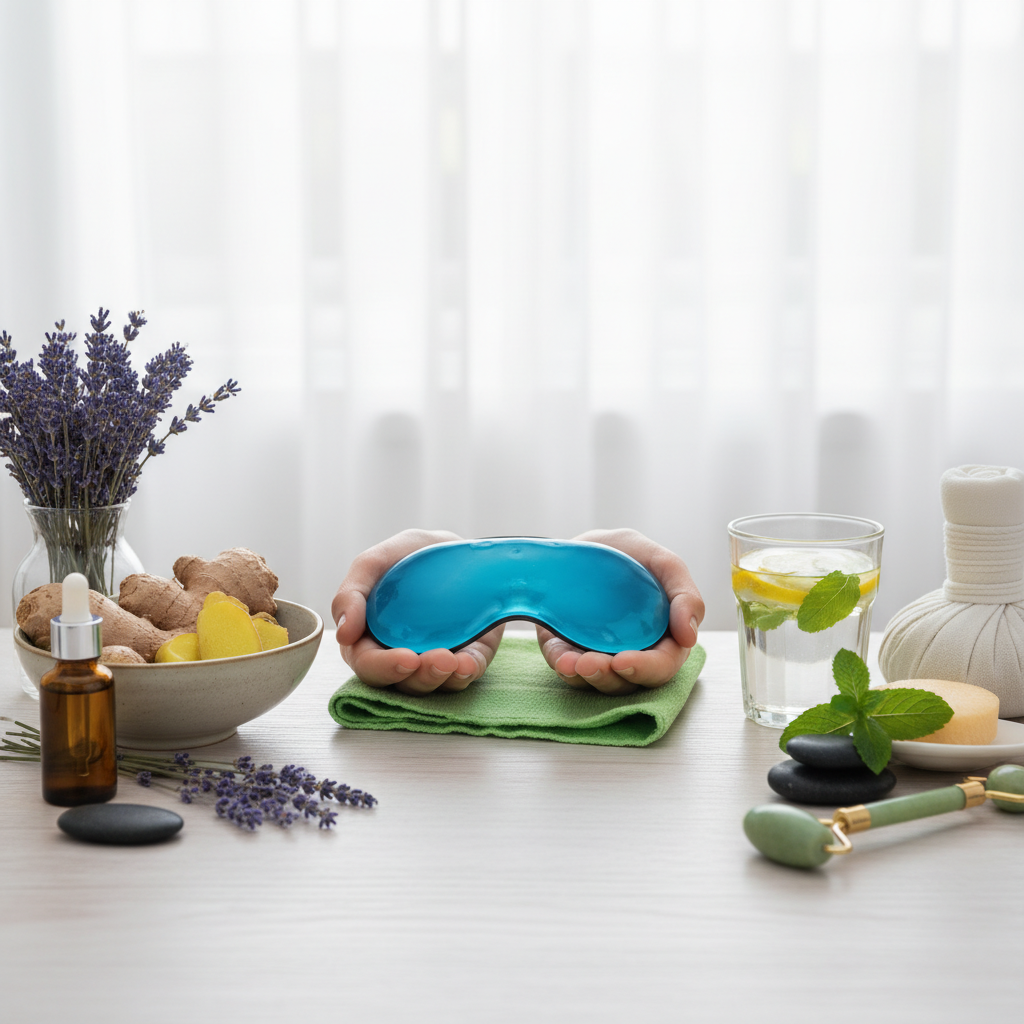
A migraine is far more than just a bad headache. It's a complex neurological condition that can bring debilitating symptoms like intense throbbing pain, nausea, vomiting, and extreme sensitivity to light and sound. When a migraine strikes, the primary goal is to find relief as quickly as possible. While there is no one-size-fits-all cure, certain strategies can significantly reduce the severity of an attack in the moment. These techniques focus on calming the overactive nervous system and managing the immediate, overwhelming symptoms. Below are five tips that many people find effective for achieving near-instant relief during a migraine attack.
1. Apply Cold Therapy to the Head and Neck
One of the simplest yet most effective methods for immediate migraine relief is the application of a cold compress or ice pack. During a migraine, blood vessels in the head can become inflamed and dilated, contributing to the throbbing pain. Cold therapy works through a process called vasoconstriction, which means it helps to narrow these blood vessels. This narrowing can reduce blood flow to the affected area, which in turn can numb the pain and decrease the inflammation causing the discomfort. The cold sensation also provides a distracting sensory input, which can help divert your brain's attention away from the pain signals.
For the best results, wrap an ice pack, a bag of frozen vegetables, or even a gel pack in a thin towel to protect your skin from ice burn. Apply it to your forehead, temples, or the back of your neck—wherever the pain feels most concentrated. Hold it in place for 15-20 minutes at a time, taking breaks as needed. Many people find that placing the compress on the back of the neck is particularly effective, as it can help cool the blood flowing to the brain and may soothe key nerves involved in the migraine process.
2. Retreat to a Dark, Quiet Room
A hallmark of a migraine attack is extreme sensitivity to external stimuli, particularly light (photophobia) and sound (phonophobia). Bright lights, flashing screens, and even normal levels of ambient noise can feel excruciating and intensify the headache pain. This happens because the trigeminal nerve, a major pain pathway in the head, becomes hypersensitive during a migraine. This heightened sensitivity means that sensory inputs that are normally tolerable become major pain triggers. Therefore, creating a sensory-deprived environment is a crucial step for immediate relief.
As soon as you feel a migraine coming on, find a room where you can control the light and noise levels. Close the blinds, draw heavy curtains, turn off all lights, and silence your phone and other electronic devices. If you can't find a completely dark room, an eye mask can be an excellent tool to block out light. Similarly, earplugs or noise-canceling headphones can help create the quiet you need. Resting in this calm, dark, and quiet space allows your overstimulated brain to relax and begin the process of recovery without the constant assault of triggers that can worsen the attack.
3. Hydrate and Consider a Small Amount of Caffeine
Dehydration is a well-known trigger for headaches and can significantly worsen a migraine attack. Even mild dehydration can cause brain tissue to shrink slightly, pulling it away from the skull and triggering pain receptors. Rehydrating by sipping on a glass of water can sometimes provide relief, especially if dehydration was a contributing factor. Keeping a water bottle nearby and taking small, frequent sips is often more manageable than trying to drink a large amount at once, particularly if you're experiencing nausea.
In addition to water, a small amount of caffeine can be surprisingly effective for some individuals, especially when taken early in an attack. Caffeine has vasoconstrictive properties, similar to cold therapy, which can help narrow dilated blood vessels. It is also a key ingredient in many over-the-counter headache medications because it can enhance the pain-relieving effects of analgesics like acetaminophen and ibuprofen. However, this is a delicate balance. For some, caffeine is a trigger, and for frequent users, it can lead to rebound headaches. A small cup of coffee or tea at the onset of a migraine might help, but it's important to know your personal triggers and avoid overconsumption.
4. Use Gentle Pressure and Massage
Applying gentle, steady pressure to specific points on your head can provide a surprising amount of relief during a migraine. This technique, often related to acupressure, can help interrupt pain signals and release muscle tension that often accompanies a migraine attack. Many people instinctively rub their temples when they have a headache, and there's a good reason for it. The temporal arteries are located there, and gentle pressure can help soothe the throbbing sensation.
You can perform this self-massage by using your fingertips to apply firm, circular pressure to your temples for a minute or two. Another effective area is the back of the neck and the base of the skull, where tension often builds up. Gently massaging these muscles can help relax them and may ease the overall pain. Some people also find relief by massaging the fleshy area between the thumb and index finger, an acupressure point known as LI4. While it may not stop the migraine entirely, this focused physical touch can provide a powerful distraction and a sense of control over the pain.
5. Practice Mindful Breathing and Relaxation Techniques
When you're in severe pain, your body often enters a "fight or flight" state. Your heart rate increases, your breathing becomes shallow, and your muscles tense up—all of which can make the migraine pain feel even worse. Relaxation techniques, particularly mindful breathing, can help counteract this stress response. By consciously slowing down your breathing, you can help calm your nervous system, reduce muscle tension, and shift your focus away from the intensity of the pain.
Find a comfortable position, either sitting or lying down, and close your eyes. Inhale slowly and deeply through your nose for a count of four, feeling your belly expand. Hold the breath for a moment, and then exhale slowly through your mouth for a count of six. The key is to make the exhale longer than the inhale, as this helps to activate the parasympathetic nervous system, which is responsible for rest and relaxation. Repeat this cycle for several minutes. While it may feel difficult to concentrate at first, this simple act of focusing on your breath can be a powerful tool for managing the immediate distress of a migraine attack.
Understanding the Phases of a Migraine Attack
A migraine is not just a single event; for many, it's a multi-stage process that can unfold over hours or even days. Understanding these phases can help you identify an attack early and take action to mitigate its severity. The first phase, known as the prodrome, can begin up to 24 hours before the actual headache. Symptoms are often subtle and can include mood changes, food cravings, neck stiffness, and frequent yawning. Recognizing these personal warning signs is key to early intervention.
The second phase, the aura, affects about 25% of migraine sufferers. Auras are temporary neurological symptoms that typically precede the headache. They are most often visual, such as seeing flashing lights, zigzag lines, or blind spots, but they can also be sensory (tingling or numbness) or motor (difficulty speaking). The aura phase usually lasts from 5 to 60 minutes. The third phase is the attack itself, characterized by the moderate to severe head pain and other debilitating symptoms like nausea and sensitivity to light and sound. This is the phase where immediate relief strategies are most needed. Finally, the postdrome phase, often called a "migraine hangover," occurs after the headache has subsided. It can leave you feeling drained, confused, and weak for another day or so. Recognizing this entire cycle helps contextualize the pain and highlights the importance of rest and recovery even after the main attack is over.
Common Questions About Migraine Management
What are common migraine triggers to avoid?
Identifying and avoiding personal triggers is a cornerstone of long-term migraine management. While triggers vary widely from person to person, some are more common than others. Dietary triggers are frequently reported and can include aged cheeses, processed meats containing nitrates, artificial sweeteners like aspartame, and alcohol, particularly red wine. Monosodium glutamate (MSG), a flavor enhancer found in many processed foods, is another frequent culprit. It's often helpful to keep a detailed diary to track your food intake, activities, and migraine attacks to pinpoint specific patterns.
Beyond diet, environmental and lifestyle factors play a huge role. Strong smells, such as perfume or cleaning products, bright or flickering lights, and loud noises can all initiate an attack. Changes in weather, especially shifts in barometric pressure, are a trigger for many. Lifestyle factors are equally important; these include stress, lack of sleep, skipping meals, and even too much or too little caffeine. Hormonal fluctuations in women, particularly those related to the menstrual cycle, are also a very powerful and common trigger. Understanding your unique set of triggers allows you to take proactive steps to minimize your exposure and reduce the frequency of attacks.
Can over-the-counter medications help with instant relief?
Yes, for many people with mild to moderate migraines, over-the-counter (OTC) medications can be an effective first line of defense, especially when taken at the very first sign of an attack. The most common options are nonsteroidal anti-inflammatory drugs (NSAIDs) like ibuprofen (Advil, Motrin) and naproxen sodium (Aleve). These work by reducing inflammation and blocking pain-causing chemicals in the body. Acetaminophen (Tylenol) is another option, although it typically works by changing the way the body senses pain rather than reducing inflammation.
There are also combination analgesics specifically formulated for migraines, such as Excedrin Migraine, which contains acetaminophen, aspirin (an NSAID), and caffeine. The caffeine in these formulas helps enhance the pain-relieving effects of the other ingredients. However, it's crucial to use these medications as directed. Overusing them (more than two or three days a week) can lead to a serious problem called medication overuse headache, or rebound headache, where the medication itself starts causing more frequent headaches. It's always best to consult with a healthcare provider to ensure you are using the right medication and dosage for your specific needs.
When should you see a doctor for migraines?
While occasional headaches can often be managed at home, it's important to see a doctor if your headaches become frequent, severe, or start to interfere with your daily life. If you experience more than four headache days a month, have headaches that are disabling, or find that OTC medications are no longer effective, it's time to seek professional medical advice. A doctor can provide a proper diagnosis to rule out other conditions and can discuss prescription treatment options, which may include triptans, CGRP inhibitors, or preventive medications.
Furthermore, you should seek immediate medical attention if you experience a "thunderclap" headache—a sudden, severe headache that peaks within a minute—or a headache accompanied by fever, stiff neck, confusion, seizures, double vision, or weakness on one side of the body. These can be signs of a more serious underlying condition, such as a stroke or meningitis. Any significant change in the pattern of your headaches also warrants a visit to your doctor. A proper diagnosis and treatment plan can dramatically improve your quality of life and help you regain control from debilitating migraines.
Conclusion
Navigating a migraine attack requires a quick and effective response to manage the intense symptoms. The tips outlined—utilizing cold therapy, seeking a dark and quiet environment, staying hydrated, using gentle massage, and practicing mindful breathing—are powerful, non-medicinal tools that can provide immediate comfort. By understanding the phases of a migraine and identifying personal triggers, you can become more proactive in your approach. While these strategies are invaluable for in-the-moment relief, it's essential to consult with a healthcare professional for a comprehensive management plan, especially if migraines are frequent or severe. Combining these immediate relief techniques with a long-term strategy can make a significant difference in living with this challenging condition.