Discover North Carolina's Best Cities for Grocery Stores and Farmers' Markets
Discover the top 5 cities in North Carolina where bustling grocery stores and vibrant farmers' markets can be found around every corner. Explore how these cities offer a blend of fresh produce and convenient shopping, making them ideal spots for food enthusiasts.
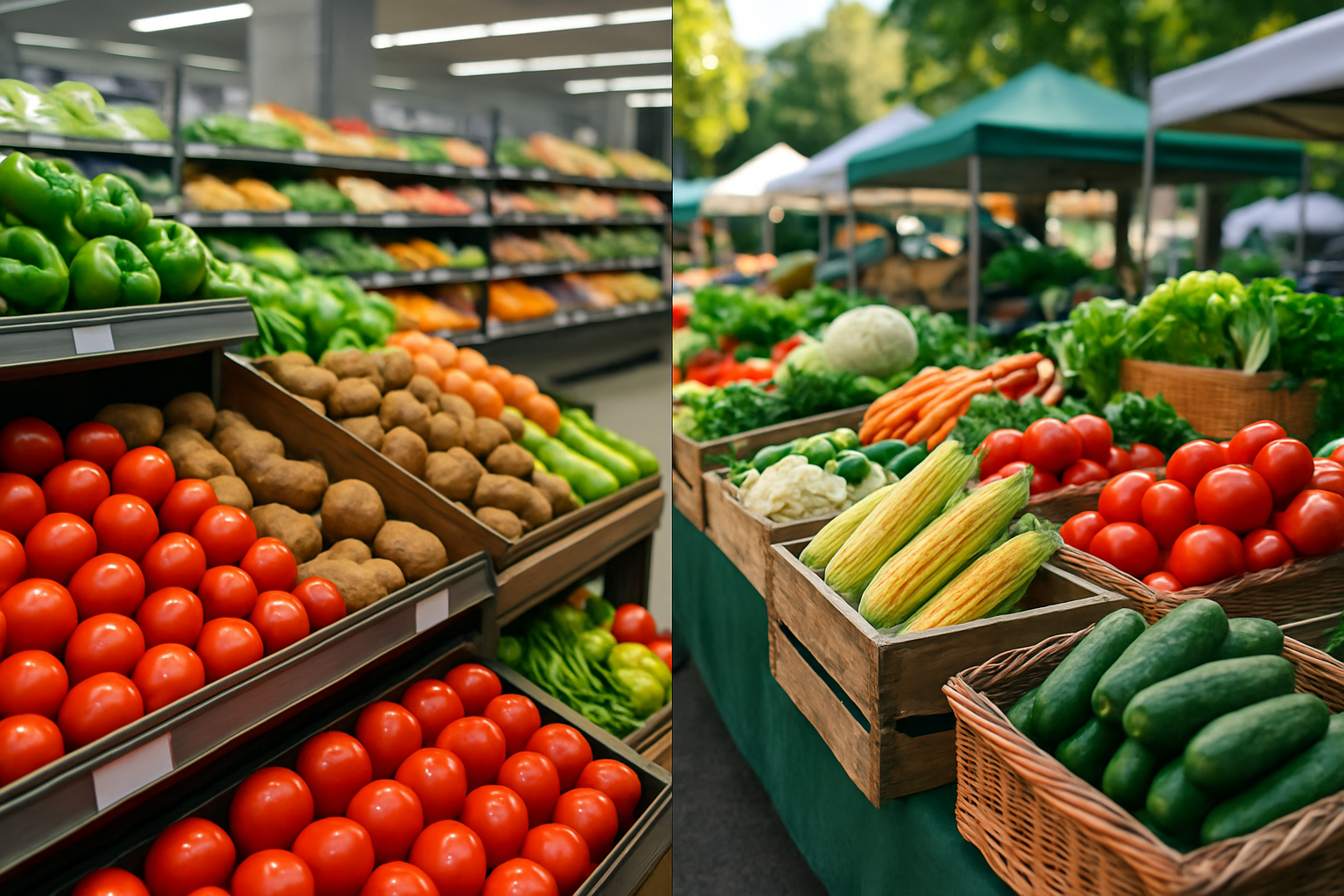
Finding the Best Places for Grocery and Farmers' Market Shopping in North Carolina
North Carolina offers a variety of options for grocery shopping and local farmers’ markets, catering to diverse dietary needs and preferences. Whether you prefer the charm of local produce or the convenience of a well-stocked grocery store, several cities in North Carolina stand out for their access to such resources.
Top 5 Cities in North Carolina with Excellent Grocery Store and Farmers’ Market Access
1. Raleigh
Raleigh, the state capital, is known for its blend of urban convenience and traditional Southern charm, making it an ideal place for grocery and farmers’ market enthusiasts. The city boasts numerous grocery store chains such as Harris Teeter and Whole Foods, offering diverse options from everyday essentials to organic products.
In terms of farmers' markets, the Raleigh Farmers Market is a must-visit destination. It provides fresh produce and artisanal goods from local farmers and craftsmen. This market spans 75 acres and houses over 30,000 square feet of fresh, North Carolina-grown products. Moreover, community-supported agriculture (CSA) programs are prevalent in the area, allowing residents to receive local produce subscriptions.
2. Charlotte
Charlotte, North Carolina’s largest city, provides a wealth of grocery shopping options alongside thriving farmers’ markets. Numerous chains like Publix, Food Lion, and Lidl are readily available, meeting the needs of different customer bases.
The city is home to the Charlotte Regional Farmers Market, which offers an extensive collection of seasonal produce, meats, and baked goods. This market is one of four run by the North Carolina Department of Agriculture, ensuring high quality and great variety. With initiatives focusing on sustainability, Charlotte supports local agriculture and aims to minimize food miles.
- Charlotte Regional Farmers Market - Check the opening hours and vendor list.
3. Asheville
Asheville is celebrated for its vibrant culinary scene and commitment to locally sourced foods, positioning it as a prime location for grocery and market access. Popular spots like the Asheville City Market offer everything from heirloom tomatoes to grass-fed beef, all grown or raised within the surrounding area.
In addition to farmers’ markets, Asheville hosts a variety of health-conscious grocery stores like Earth Fare and French Broad Food Co-op, focusing on organic and eco-friendly options. The city’s culture emphasizes sustainability and community support, making local shopping a rewarding experience.
4. Durham
Renowned for its burgeoning food culture and emphasis on local agriculture, Durham offers residents a rich selection of grocery and farmers' market options. From large retailers like Kroger and Trader Joe's to smaller, community-focused stores, residents can find a diverse selection of food products.
The Durham Farmers Market in the thriving Central Park district features a wide range of products, from organic vegetables to freshly baked artisan bread. The market’s focus on supporting North Carolina farmers ensures a wide selection of fresh and sustainable goods.
- Durham Farmers Market - Discover unique vendors and seasonal fare.
5. Greensboro
Greensboro's strategic location and welcoming community make it another excellent city for grocery and market access. The city is home to store chains like ALDI and The Fresh Market, satisfying varying tastes and budgets.
The Greensboro Farmers Curb Market serves as a community cornerstone, offering residents fresh local produce year-long. The market emphasizes community engagement and healthy eating, aligning with broader public health goals. Here, shoppers can connect directly with farmers and artisans, ensuring transparency in sourcing and production processes.
The Importance of Grocery Store and Farmers’ Market Access
Access to grocery stores and farmers' markets is integral to community well-being, influencing dietary choices and overall health. A study published in the National Institutes of Health in 2026 links convenient access to a variety of fresh foods with improved public health outcomes, emphasizing the role of local food systems in maintaining healthy weight and reducing chronic disease risks.
In North Carolina, cities with strong grocery and farmers’ market networks facilitate better nutritional choices by providing an abundance of fresh produce and healthy options. Moreover, supporting local markets bolsters economic resilience by sustaining agriculture and small businesses.
Conclusion
From Raleigh to Greensboro, North Carolina offers residents diverse options for grocery shopping and farmers’ market visits, contributing to healthier lifestyles and vibrant communities. Engaging with these resources not only supports personal well-being but also strengthens local economies, fostering a sustainable and interconnected food system. Whether you live in the state or are considering a visit, these cities boast superior access to both traditional grocery options and rich, locally-sourced products from nearby farmers and artisans.