Discover Safe and Effective OTC Options for Sinus Relief
Finding the right over-the-counter sinus relief in a crowded pharmacy aisle can feel overwhelming. To make it simple, we're breaking down the three main types of pills you'll find on the shelf: decongestants, antihistamines, and pain relievers.
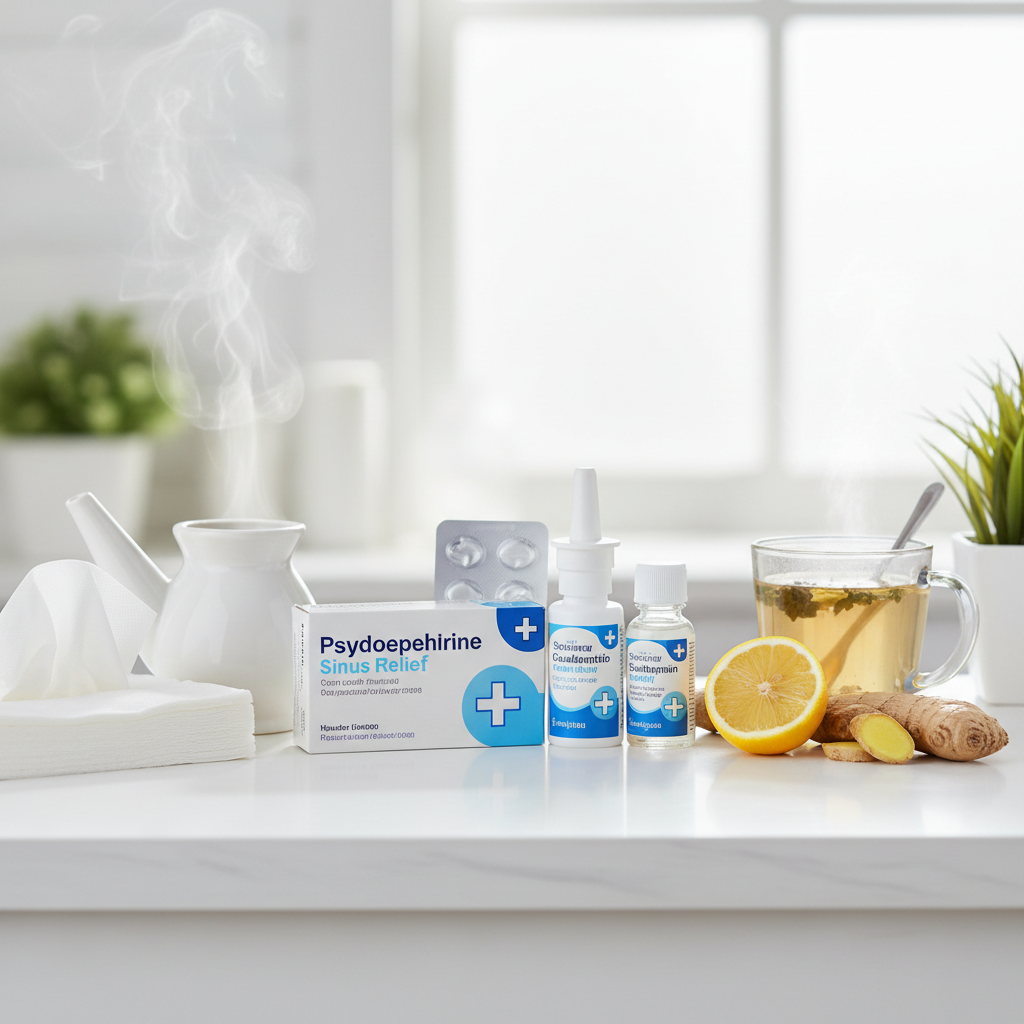
A Comprehensive Guide to Over-The-Counter Pills For Sinus Relief
Navigating the Pharmacy Aisle: Types of OTC Sinus Relief
When sinus pressure, congestion, and pain strike, the pharmacy aisle can feel overwhelming. A wall of options promises relief, but understanding what’s inside the box is key to choosing the right product for your specific symptoms. Over-the-counter (OTC) sinus medications generally fall into a few primary categories, each designed to tackle a different aspect of sinus distress.
Decongestants: Reducing Swelling and Congestion
Decongestants are often the first line of defense for a stuffy, blocked nose. Their primary function is to reduce the swelling of blood vessels in your nasal passages. When you have a cold or allergies, these tissues become inflamed and swollen, narrowing the airways and trapping mucus. Decongestants work through a process called vasoconstriction, which means they narrow these blood vessels. This opens up the nasal passages, allowing you to breathe more easily and helping mucus drain properly, which in turn relieves that feeling of intense pressure.
You will typically find two main types of active ingredients in oral decongestants: pseudoephedrine and phenylephrine. Pseudoephedrine is widely considered more effective but is sold from behind the pharmacy counter due to regulations to prevent its misuse. Phenylephrine is available directly on the shelves. While effective for many, decongestants can have side effects like increased heart rate, elevated blood pressure, nervousness, or difficulty sleeping. For this reason, individuals with heart conditions, high blood pressure, or thyroid issues should consult a doctor before using them.
Antihistamines: For Allergy-Related Sinus Issues
If your sinus problems are a direct result of allergies, an antihistamine may be the most effective solution. Allergies trigger your body to release histamines, which are chemicals that cause symptoms like sneezing, itching, a runny nose, and swelling of the nasal passages. This swelling can easily lead to sinus congestion and pressure. Antihistamines work by blocking the effects of histamines, thereby preventing or reducing the allergic reaction and its subsequent symptoms.
Common OTC antihistamine ingredients include loratadine, cetirizine, and fexofenadine, which are known for being non-drowsy or less-drowsy options. An older, first-generation antihistamine, diphenhydramine, is also widely available and very effective but is known to cause significant drowsiness. It's crucial to identify the cause of your sinus issue; if it's from a common cold virus, an antihistamine will likely offer little to no relief for congestion.
Pain Relievers: Easing Headaches and Facial Pain
Sinus congestion rarely comes alone. It often brings along a throbbing headache, facial tenderness, and even tooth or ear pain. While pain relievers won’t clear your congestion, they are essential for managing the discomfort associated with sinus inflammation. They work by blocking the production of chemicals in the body called prostaglandins, which are involved in pain and inflammation signaling.
There are two main classes of OTC pain relievers. The first is nonsteroidal anti-inflammatory drugs, or NSAIDs, which include ingredients like ibuprofen and naproxen sodium. These are particularly useful for sinus issues because they target both pain and inflammation. The second class is acetaminophen, which is excellent for relieving pain and reducing fever but does not have the same anti-inflammatory properties as NSAIDs. Choosing one depends on your specific needs and health profile.
Combination Medications: The All-in-One Approach
Many products marketed for "Sinus," "Cold," or "Flu" relief are combination medications. These pills are formulated to tackle multiple symptoms at once by including two or more active ingredients from the categories above. For instance, a common sinus pill might contain a decongestant to clear stuffiness, a pain reliever to manage the headache, and sometimes an antihistamine if an allergic component is suspected. This can be a convenient way to get comprehensive relief from a single pill.
However, the convenience of combination products comes with a major caveat: you must read the label carefully. It's important to ensure you are only treating the symptoms you actually have. Taking an ingredient you don't need can lead to unnecessary side effects. Furthermore, it's very easy to accidentally take too much of a certain ingredient, like acetaminophen, if you take a combination product along with a separate pain reliever. Always check the "Active Ingredients" list on the packaging before taking any medication.
Understanding the Root Cause: What Is Sinus Congestion?
To fully appreciate how these medications work, it helps to understand what’s happening inside your head. The sinuses are a system of hollow, air-filled cavities located within your skull, around your nose and eyes. These cavities are lined with a soft, pink tissue called a mucous membrane. In a healthy state, your sinuses produce a thin layer of mucus that traps dust, germs, and other airborne particles. Tiny hairs called cilia then sweep this mucus toward the back of your throat to be swallowed.
Sinus congestion and pressure occur when these membranes become inflamed and swollen. This inflammation can be triggered by a viral infection (like the common cold), an allergic reaction, or bacterial infections. When the membranes swell, they block the narrow passages that allow mucus to drain. Air and mucus become trapped inside the sinus cavities, leading to that familiar feeling of pressure, facial pain, and a stuffy nose. The goal of most sinus treatments is to either reduce this inflammation, thin the trapped mucus so it can drain, or both.
Exploring Further: Common Questions About Sinus Relief
Once you understand the basics of OTC medications, other questions often arise about managing sinus symptoms effectively and safely.
Are Natural or Home Remedies Effective for Sinus Pressure?
Many people prefer to try non-medicinal approaches before turning to pills, and several home remedies can be quite effective at providing comfort and supporting drainage. Saline nasal sprays or rinses, often done with a Neti pot or a squeeze bottle, are excellent for this. The saltwater solution helps to moisturize the nasal passages, thin out thick mucus, and flush out irritants and allergens. This simple act can significantly reduce stuffiness and pressure.
Another powerful tool is moisture. Inhaling steam from a hot shower, a bowl of hot water, or a humidifier can soothe inflamed sinus tissues and help loosen mucus. Staying well-hydrated by drinking plenty of water is equally important, as this keeps your mucus thin and easier to drain. While these remedies won't stop an allergic reaction like an antihistamine or shrink swollen tissues as quickly as a decongestant, they play a crucial supportive role in recovery and can sometimes be enough to manage milder cases of congestion.
How Do I Know When to See a Doctor?
Over-the-counter medications are designed for short-term relief of acute symptoms. However, self-treatment isn't always appropriate, and some situations warrant professional medical advice. A general rule of thumb is to see a doctor if your sinus symptoms persist for more than 10 days without any improvement. You should also seek medical attention if your symptoms are severe, such as a high fever (above 101.5°F or 38.6°C), intense facial or headache pain, or changes in your vision.
Another key indicator is if your symptoms seem to get better but then suddenly worsen, which could signal a secondary bacterial infection that might require antibiotics. Chronic sinusitis, where symptoms last for 12 weeks or longer, also requires a doctor's diagnosis and management plan. A doctor can help determine the underlying cause of your sinus problems and recommend a more targeted treatment, which may include prescription medications or other therapies.
Final Thoughts on OTC Sinus Relief
Finding the right over-the-counter pill for sinus relief begins with identifying your primary symptoms. If congestion is your main complaint, a decongestant is a logical choice. If allergies are the culprit, an antihistamine will be most effective. For the accompanying aches and pains, a simple pain reliever can provide significant comfort. Combination products offer convenience but require careful reading of the label to avoid overmedicating.
Ultimately, these medications are tools to help you manage discomfort while your body recovers. Pairing them with supportive home care, such as hydration and steam, can enhance their effectiveness. Always remember to use medications as directed and listen to your body—if symptoms are severe or persistent, consulting with a healthcare professional is the safest and most effective course of action.
For further reading and information, you can visit these reputable sources: