Discover Simple and Effective Home Remedies for Sinus Relief
When sinus pressure and pain strike, finding fast relief is all that matters. Before you reach for over-the-counter medicine, you might be surprised to learn that some of the most effective solutions are already in your home.
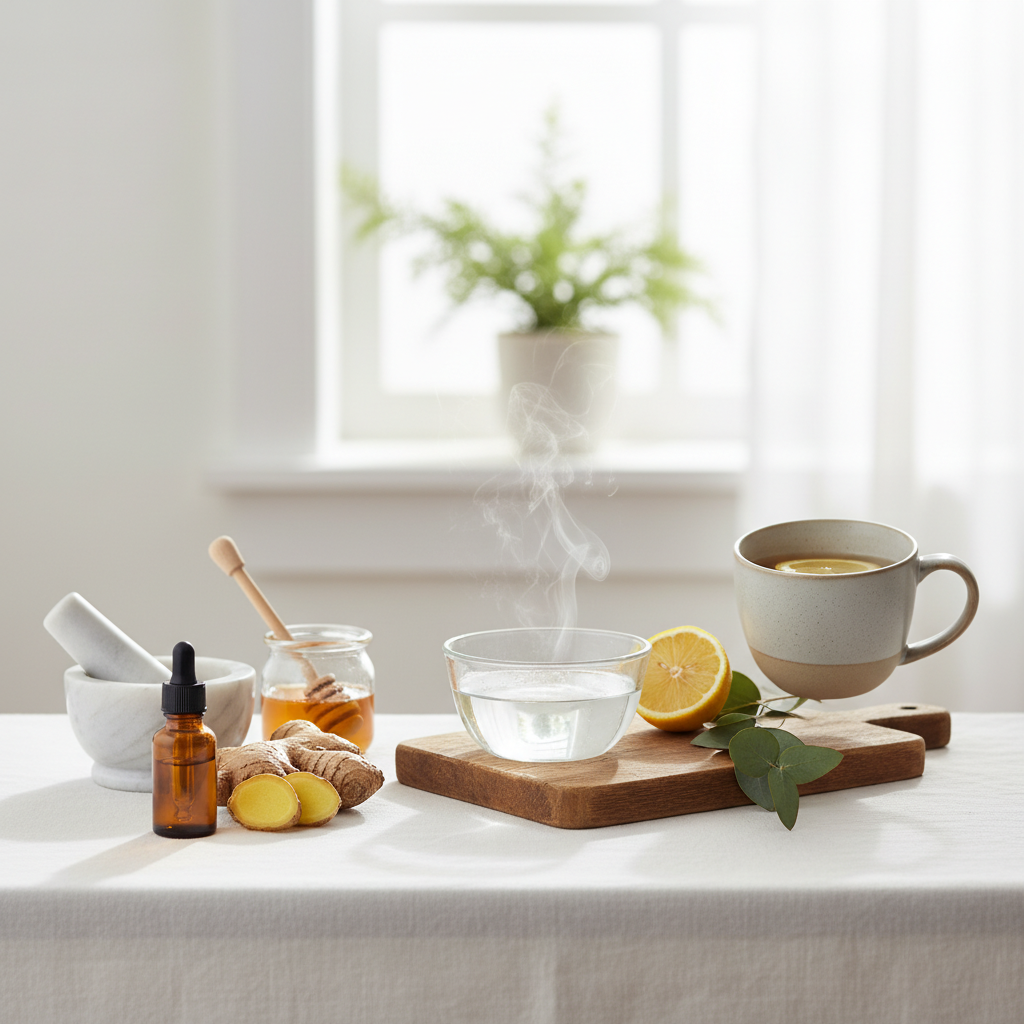
Sinus pressure, congestion, and pain can be incredibly disruptive, turning a normal day into a miserable one. Whether caused by a common cold, allergies, or a sinus infection (sinusitis), the feeling of a stuffy, painful head is something many people seek immediate relief from. While over-the-counter medications are available, numerous effective home remedies can help soothe your symptoms, promote drainage, and get you feeling better without a trip to the pharmacy. These remedies focus on thinning mucus, reducing inflammation, and keeping your nasal passages moist.
Here’s a comprehensive look at some of the best home remedies for sinus relief that are easy to implement and can provide significant comfort.
1. Saline Nasal Rinse
One of the most effective and widely recommended methods for clearing out congested sinuses is a saline nasal rinse. Using a device like a neti pot, syringe, or squeeze bottle, you gently flush a saltwater solution through your nasal passages. This process works by washing away allergens, mucus, and other debris that may be causing inflammation and congestion. The salt in the solution also helps to thin the mucus, making it easier for it to drain from the sinus cavities. This can provide almost immediate relief from pressure and stuffiness.
It is absolutely critical to use the right kind of water for a nasal rinse. Never use tap water, as it can contain low levels of microorganisms that are safe to drink but can cause serious infections when introduced into your nasal passages. Always use distilled, sterile, or previously boiled and cooled water to prepare your saline solution. You can buy pre-packaged saline packets or make your own by mixing about half a teaspoon of non-iodized salt with one cup of sterile water.
2. Steam Inhalation
Steam is a simple yet powerful tool for combating sinus congestion. Inhaling warm, moist air helps to soothe irritated nasal tissues and thin out thick mucus, encouraging it to drain more effectively. This can reduce the pressure and pain you feel in your sinuses. One of the easiest ways to do this is to take a long, hot shower, allowing the steam to fill the bathroom. Breathe deeply to let the warm moisture work its magic on your congested airways.
For a more concentrated treatment, you can try facial steaming. Simply fill a bowl with hot (not boiling) water. Drape a towel over your head to create a tent and lean over the bowl, keeping your face a comfortable distance from the water. Breathe in the steam for 10-15 minutes. For an added benefit, you can add a few drops of eucalyptus or peppermint essential oil to the water, as these oils have properties that can further help open up your airways.
3. Warm Compresses
When your sinuses are inflamed and painful, applying gentle warmth to the outside of your face can provide significant comfort. A warm compress helps to increase blood circulation to the area and can ease the aching pressure in your forehead, cheeks, and around your eyes. The warmth helps to soothe the discomfort and can also aid in loosening the mucus trapped inside.
To make a warm compress, simply soak a clean washcloth in warm water, wring out the excess, and place it over your nose, cheeks, and forehead. Lie back and relax with the compress on your face for 10-15 minutes. You can repeat this several times a day whenever you feel a buildup of pressure and pain.
4. Proper Hydration
Staying well-hydrated is fundamental to sinus health, though it's often overlooked. When you don't drink enough fluids, the mucus throughout your body, including in your sinuses, becomes thicker and stickier. This makes it much harder to drain, leading to blockages, increased pressure, and a perfect breeding ground for bacteria. By drinking plenty of water, you help to keep your mucus thin and watery, allowing it to flow out of the sinuses as it should.
Aim to drink water consistently throughout the day. Warm beverages like herbal tea or clear broths can be especially beneficial, as they provide hydration while the steam from the cup offers a mini-steam inhalation session. Try to avoid or limit caffeine and alcohol, as they can have a dehydrating effect, potentially making your congestion worse.
5. Spicy Foods
If you can handle the heat, eating spicy foods can offer temporary but effective relief from sinus congestion. Foods containing capsaicin, the compound that gives chili peppers their heat, can act as a natural decongestant. When you eat something spicy, it can irritate the mucous membranes, causing your nose to run and helping to clear out your nasal passages. This can break up some of the congestion and provide a welcome, albeit brief, respite from the stuffiness.
Foods like hot peppers, wasabi, or horseradish are known for their sinus-clearing effects. A warm bowl of spicy soup can be doubly effective, combining the decongestant properties of the spices with the hydrating benefits of the broth and the soothing effect of the steam.
6. Use a Humidifier
Dry air, especially common during winter when indoor heating is running, can wreak havoc on your sinuses. It dries out your nasal passages, leading to irritation, inflammation, and thicker mucus. Using a humidifier adds moisture back into the air, which helps to keep your nasal tissues moist and healthy. This can prevent irritation and make it easier for mucus to drain properly.
Running a humidifier in your bedroom while you sleep is particularly helpful. It ensures that you're breathing in moist air all night, which can prevent you from waking up with a dry, stuffy nose and a sore throat. Just be sure to clean your humidifier regularly according to the manufacturer's instructions to prevent the growth of mold and bacteria.
7. Elevate Your Head While Sleeping
When you lie down flat, mucus can pool in your sinus cavities, leading to increased congestion and pressure, especially in the morning. A simple positional change can make a big difference. By sleeping with your head and upper body propped up on a few pillows, you can use gravity to your advantage. This elevated position encourages your sinuses to drain throughout the night, preventing the buildup that causes that stuffy, blocked feeling when you wake up.
This remedy doesn't require any special equipment—just an extra pillow or two. It’s a passive way to support sinus drainage while you rest, helping you get a more comfortable night's sleep and feel better in the morning.
Understanding Sinus Pressure and Congestion
To fully appreciate why these home remedies work, it’s helpful to understand what’s happening inside your head. Your sinuses are a system of four pairs of air-filled cavities located in your skull—in your forehead (frontal), behind your cheeks (maxillary), between your eyes (ethmoid), and deeper behind your nose (sphenoid). These cavities are lined with a membrane that produces mucus, which serves to trap dust, pollutants, and other particles, preventing them from reaching your lungs.
Sinusitis occurs when this lining becomes inflamed, usually due to a viral infection like the common cold, an allergic reaction, or a bacterial infection. This inflammation causes the tissues to swell, blocking the narrow channels that allow mucus to drain. When mucus gets trapped, it creates pressure, leading to the hallmark symptoms of facial pain, headache, and congestion. The goal of most sinus remedies is therefore twofold: to reduce the inflammation and to thin the trapped mucus so it can drain away.
Common Questions About Managing Sinus Health
How Can I Prevent Sinus Problems from Recurring?
Preventing sinus issues often comes down to managing triggers and maintaining good overall health. If allergies are your primary trigger, identifying and avoiding your specific allergens is key. This might involve using air purifiers with HEPA filters at home, keeping windows closed during high-pollen seasons, and washing your bedding frequently. Taking over-the-counter antihistamines during your allergy season can also help prevent the initial inflammation that leads to sinusitis.
Beyond allergy management, good hygiene is crucial. Washing your hands frequently can reduce your chances of catching a cold or flu virus, which are common precursors to sinus infections. It's also important to avoid irritants like cigarette smoke and strong chemical fumes, as they can inflame your nasal passages. Finally, staying consistently hydrated and using a humidifier during dry months can keep your sinus membranes healthy and resilient.
When Should I See a Doctor for Sinus Issues?
While most cases of sinus congestion and pain can be managed effectively at home, there are times when it’s important to seek medical attention. You should consult a doctor if your symptoms are severe or persist for more than 10 days without any improvement. A key indicator of a potential bacterial infection, which may require antibiotics, is if your symptoms seem to improve and then suddenly get worse again.
Other red-flag symptoms that warrant a doctor's visit include a high fever (over 102°F or 39°C), severe facial pain or headache that isn't relieved by over-the-counter pain medication, or any changes in your vision, such as double vision. In rare cases, a sinus infection can spread, so symptoms like a stiff neck, confusion, or swelling around the eyes require immediate medical evaluation.
Conclusion
Dealing with sinus pressure and congestion can be a frustrating experience, but you have many effective tools at your disposal right in your own home. Remedies like saline rinses, steam inhalation, warm compresses, and proper hydration all work to soothe inflammation, thin mucus, and promote proper drainage. By incorporating these strategies, you can often find significant relief from your symptoms and feel more comfortable as your body recovers. However, it's always important to listen to your body and consult a healthcare professional if your symptoms are severe, prolonged, or accompanied by concerning signs.