Discover Sleep Masks Designed for Total Darkness
Finding a sleep mask that actually delivers on the promise of complete darkness can be a game-changer for your sleep quality.
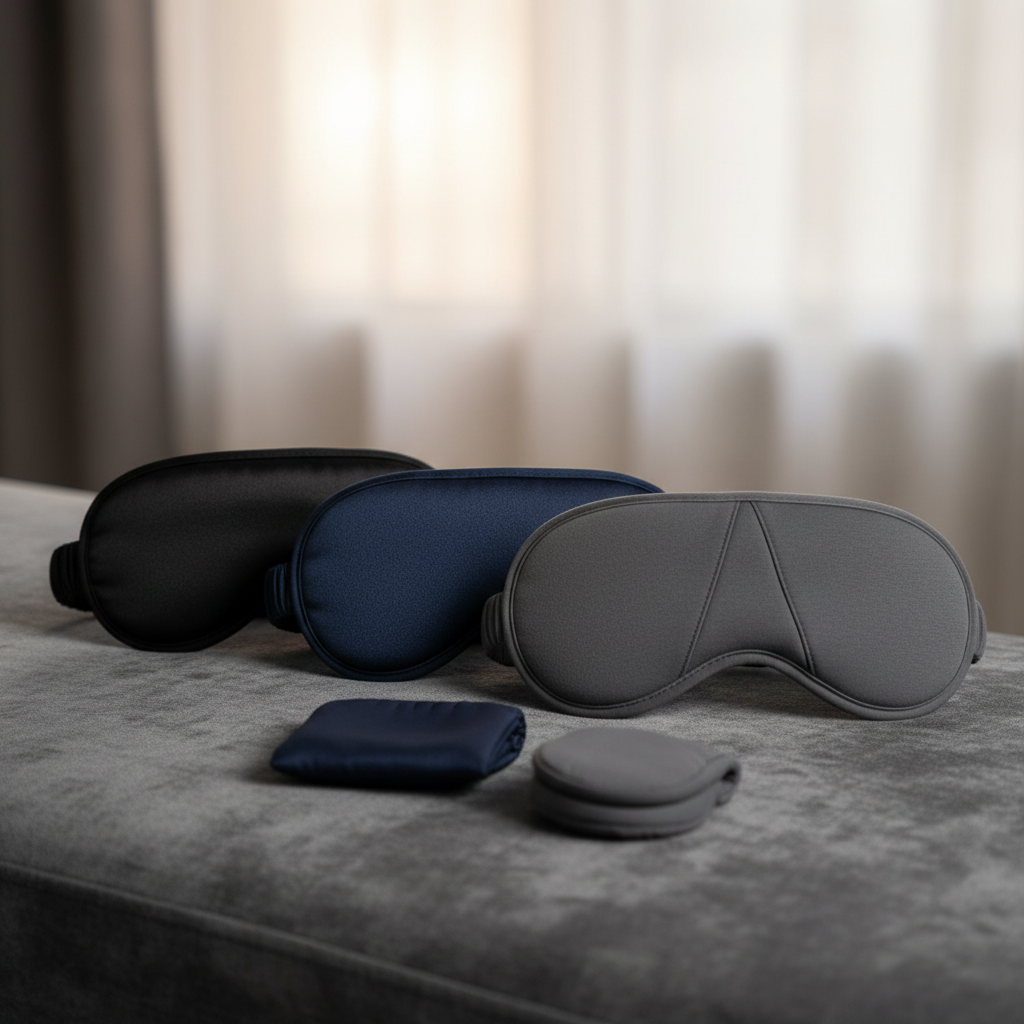
Types of Sleep Masks Designed for Maximum Light Blockage
Finding a sleep mask that truly blocks out all light can be a game-changer for your sleep quality. The key isn't just the material, but the design and how it conforms to the unique contours of your face. Different styles tackle this challenge in different ways, catering to various preferences and needs. From masks that float above your eyes to those that apply gentle pressure, understanding the design is the first step toward achieving a perfect, dark sleep environment.
1. Contoured 3D Sleep Masks
One of the most popular and effective designs for total light-blocking is the contoured 3D sleep mask. These masks feature concave eye cups, often made from memory foam, that curve away from your eyes. This creates a small chamber of darkness around each eye, completely preventing any fabric from resting on your eyelids or eyelashes. This design is particularly beneficial because it allows for natural REM (Rapid Eye Movement) sleep, as your eyes can move freely without any physical restriction, which can be a distraction with flatter masks.
The true genius of the 3D design lies in its ability to seal light gaps. The molded shape is engineered to fit snugly around the orbital bones, forehead, and cheeks. A well-designed contoured mask will have a raised nose baffle that fits comfortably over the bridge of your nose, effectively closing off the most common area for light leakage. This combination of no eye pressure and a comprehensive facial seal makes it a top contender for those seeking absolute darkness without feeling constricted.
2. Padded and Weighted Sleep Masks
Drawing inspiration from the calming effects of weighted blankets, weighted sleep masks use gentle, distributed pressure to help promote relaxation. These masks are typically filled with tiny microbeads, flax seeds, or other materials that give them a pleasant heft. The weight helps the mask mold perfectly to the contours of your face, leaving no gaps for ambient light to creep in. This gentle pressure is known as Deep Pressure Touch (DPT), which can help stimulate the release of serotonin and melatonin, further enhancing sleep.
Beyond the therapeutic benefits, the padding and weight serve a very practical purpose in blocking light. A standard, lightweight mask might shift during the night or fail to cover the difficult angles around the nose and temples. The added weight ensures the mask stays in place and provides enough substance to create a soft but effective seal against your skin. This makes them especially useful for side sleepers, as the mask is less likely to be dislodged when turning over.
3. Wrap-Around Style Sleep Masks
For those who prioritize coverage above all else, the wrap-around style mask is an excellent choice. Unlike smaller masks that just cover the immediate eye area, these are designed like a wide, soft headband that envelops a larger portion of your head. They often cover from the mid-forehead down to the cheekbones and extend far back along the temples. This extensive coverage inherently minimizes the chances of light seeping in from the sides, top, or bottom.
These masks are typically made from very soft, pliable materials like plush fleece, silk, or jersey cotton, ensuring comfort during sleep. The closure system is often a wide Velcro strap or an adjustable elastic band that allows the user to customize the tightness for a secure yet comfortable fit. By creating a wide barrier of opaque fabric, the wrap-around design offers a simple but highly effective solution for blocking light from all angles, making it a favorite for travelers and daytime nappers.
4. Adjustable Nose Wire Masks
The single biggest failure point for many sleep masks is the area around the bridge of the nose. Due to the diverse shapes and sizes of human noses, a one-size-fits-all approach often results in a significant light gap right where you need darkness the most. Masks featuring an adjustable nose wire directly address this problem. Similar to the metal strip in a high-quality face mask, a small, flexible wire is sewn into the fabric along the nose bridge.
This simple addition allows the user to pinch and mold the mask to their specific facial structure, creating a custom, light-proof seal. By closing this critical gap, the mask's overall effectiveness increases dramatically. This feature can be found on various types of masks, from simple flat masks to more complex 3D contoured models. If you have consistently struggled with light leaking from below, looking for a mask with an adjustable nose wire could be the solution you need for complete darkness.
5. Total Blackout "Goggle" Style Masks
For individuals with extreme light sensitivity or those who must sleep in very bright environments (like shift workers), the goggle-style mask offers the ultimate blackout experience. These masks are robustly constructed, often with a semi-rigid frame and deep eye cups, resembling a pair of soft goggles. The edges are typically lined with a plush foam or flexible silicone that creates a suction-like seal against the skin around your eye sockets.
This design creates a completely enclosed space, ensuring that absolutely no light can penetrate from any angle. While they are the most effective at blocking light, they can also be the bulkiest of all the options. They may not be as comfortable for side sleepers due to their more rigid structure. However, for back sleepers or anyone who requires a guaranteed pitch-black environment, the goggle style is an unparalleled solution for achieving a personal void of darkness.
The Science Behind Why Darkness Is Crucial for Sleep
Our bodies are intricately tuned to the natural cycle of day and night, a process governed by our internal clock, known as the circadian rhythm. The most critical environmental cue for this rhythm is light. When light, particularly blue light from the sun or electronic screens, enters our eyes, it sends a powerful signal to a part of the brain called the suprachiasmatic nucleus (SCN). The SCN acts as the body's master clock, telling us when to be awake and alert.
In response to darkness, the SCN signals the pineal gland to begin producing melatonin, often called the "hormone of darkness" or the "sleep hormone." Melatonin doesn't force you to sleep, but it plays a crucial role in preparing your body for it by inducing drowsiness and lowering body temperature. Even small amounts of light exposure during the night can be enough to suppress melatonin production, disrupting this delicate process and making it harder to fall asleep and stay asleep.
By using a sleep mask that blocks all light, you are essentially creating an artificial nighttime environment for your brain. This sends a clear, uninterrupted signal to start producing melatonin, helping to regulate your circadian rhythm and promote deeper, more restorative sleep stages. This is why a good sleep mask can be especially beneficial for shift workers, travelers crossing time zones, or anyone living in an urban area with significant light pollution.
Common Questions About Using Sleep Masks
Are there any downsides to wearing a sleep mask every night?
For most people, wearing a sleep mask nightly is perfectly safe and beneficial. However, there are a few potential minor downsides to consider. The most common issue is potential skin irritation. If a mask is too tight or made from a synthetic material that doesn't breathe well, it can trap sweat and oils, potentially leading to clogged pores or acne. This is especially true if the mask isn't cleaned regularly. Choosing a hypoallergenic and breathable material like silk or cotton can help mitigate this.
Another consideration is the adjustment period. Some individuals may initially find the sensation of having something on their face or a strap around their head distracting. An overly tight strap can cause a feeling of pressure or even lead to morning headaches. The key is finding a mask with a comfortable, easily adjustable strap and a style (like a 3D contoured mask) that minimizes contact with sensitive areas of the face. Over time, most users become accustomed to the sensation and find it to be a comforting sleep cue.
How do you choose the right material for a sleep mask?
The material of a sleep mask significantly impacts its comfort, breathability, and light-blocking ability. Silk is a premium choice, prized for being naturally hypoallergenic and gentle on the delicate skin around the eyes. It glides smoothly over the skin, reducing friction that can contribute to sleep creases. Cotton is another excellent natural option, known for its softness and high breathability, making it a great choice for hot sleepers or those with sensitive skin.
For masks focused on structure and total blackout, memory foam is a common material used in 3D contoured designs. It excels at molding to the face to block light gaps while providing a soft, pressure-free fit. On the more affordable end, materials like polyester or satin are widely used. While not as breathable as natural fibers, they are durable, easy to clean, and can be very effective at blocking light when used in a well-constructed mask.
How should you clean and care for a sleep mask?
Regular cleaning is essential to keep your sleep mask hygienic and prevent skin issues. Since it rests on your face for hours, it accumulates skin cells, oils, and bacteria. Before washing, always check the manufacturer's care instructions, as materials like memory foam may have special requirements. For most fabric masks, such as those made from silk, cotton, or satin, hand-washing is the safest method.
To hand-wash, use a basin of cool water and a small amount of gentle, pH-neutral detergent (a wool or silk wash is ideal for delicate fabrics). Submerge the mask and gently agitate the water, letting it soak for a few minutes. Avoid harsh scrubbing, which can damage the fabric or internal padding. Rinse thoroughly with cool water until all soap is gone, gently squeeze out excess water without wringing, and lay it flat on a clean towel to air dry completely before its next use.
Conclusion
Achieving total darkness is a powerful tool for improving sleep quality, and a well-designed sleep mask is one of the most effective ways to create that environment. The best mask is one that successfully blocks light while meeting your personal comfort needs. Designs like 3D contoured masks prevent eye pressure, while weighted masks add a calming effect, and wrap-around styles offer maximum coverage. By considering factors like your facial structure, sleeping position, and skin sensitivity, you can find a sleep mask style that helps you get the deep, uninterrupted rest you need.