Discover Tasmania's Hidden Gems: Top 5 Small Towns to Call Home
Discover the charm and tranquillity of the top small towns to live in Tasmania. From breathtaking landscapes to vibrant community life, these hidden gems offer unique experiences for those seeking a peaceful lifestyle.
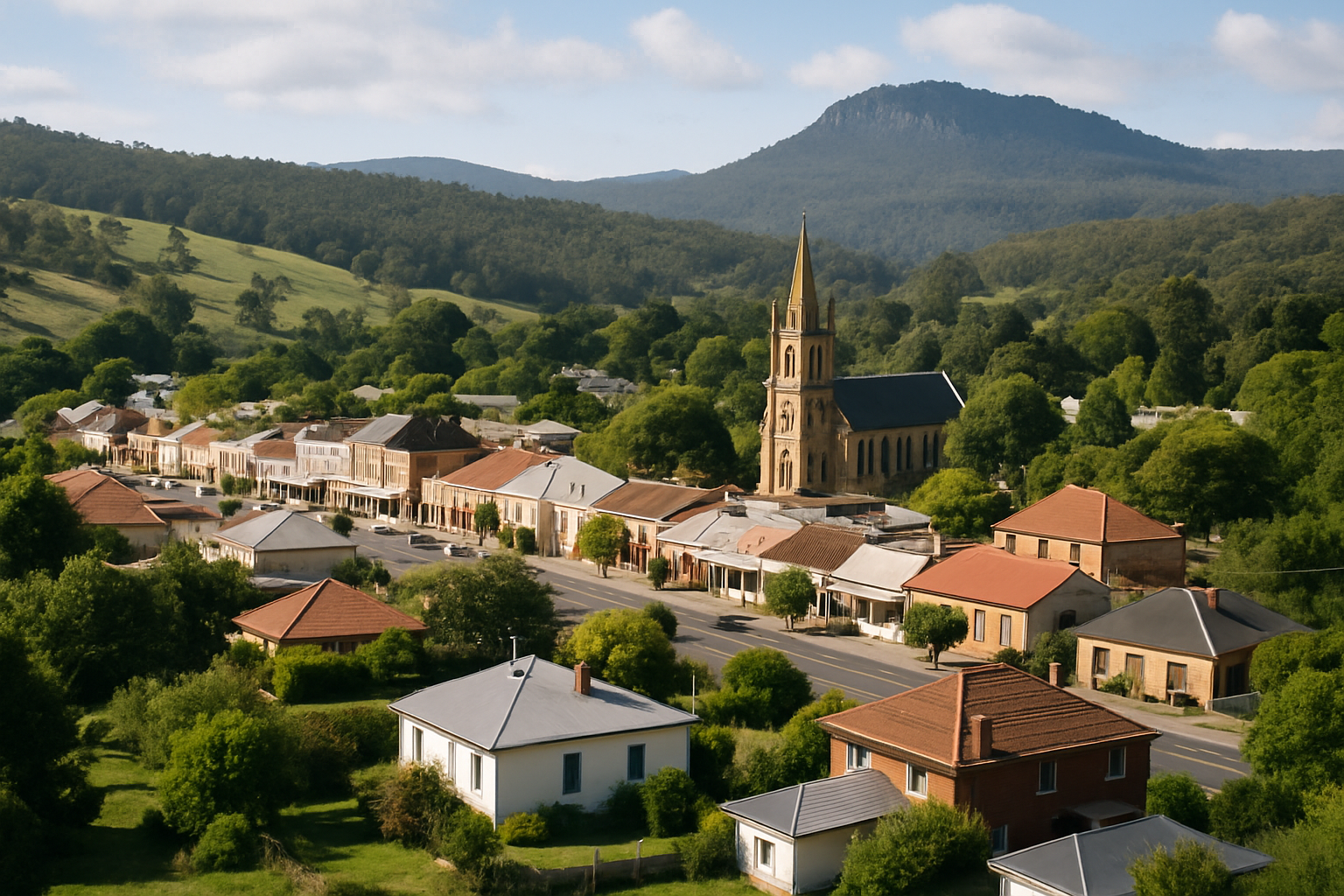
Why Choose Tasmania?
Tasmania, the island state of Australia, boasts natural beauty, a serene lifestyle, and a vibrant community life. With its rich history, diverse wildlife, and pristine beaches, Tasmania is becoming an increasingly popular choice for those looking to move away from bustling metropolitan areas. The island’s small towns offer a unique charm, blending modern amenities with traditional comforts.
Economy and Employment Opportunities
An important consideration when moving is the economic landscape. Tasmania is witnessing growth in industries such as tourism, agriculture, and aquaculture. According to the Australian Bureau of Statistics, the state’s unemployment rate is steadily decreasing, standing at 4.8% as of 2026. Additionally, Tasmania is fostering the growth of small and medium enterprises (SMEs), creating new job opportunities across various sectors.
Cost of Living
Compared to major Australian cities like Sydney and Melbourne, the cost of living in Tasmania remains considerably lower. Housing affordability is a significant attraction for many considering a move. For instance, as per Realestate.com.au, the median house price in Hobart is $500,000, noticeably less than mainland capitals. Small towns further offer more competitive rates, making property ownership more accessible.
Top 5 Small Towns To Live In Tasmania
1. Richmond
Situated a short drive from Hobart, Richmond is renowned for its Georgian architecture and historical landmarks. The town is famous for the Richmond Bridge, the oldest stone span bridge in Australia. Beyond its aesthetic appeal, Richmond offers a tight-knit community and a range of facilities, including cafes, schools, and local shops. The town is surrounded by picturesque vineyards, providing an idyllic setting for wine enthusiasts.
2. Bicheno
Bicheno is a picturesque coastal town on the east coast of Tasmania, celebrated for its natural beauty and wildlife. The town is a gateway to Freycinet National Park and offers numerous outdoor activities such as surfing, diving, and fishing. With a population of around 1,000, Bicheno offers a strong sense of community, making it ideal for families and retirees seeking peace and tranquility.
3. Stanley
Nestled under the shadow of "The Nut", a massive volcanic rock formation, Stanley is a historic town filled with character. The town is well-known for its well-preserved colonial buildings and boutique shops. Visitors and residents alike enjoy fresh local seafood and produce. The surrounding landscapes offer hiking opportunities, and the region's remoteness is appealing to those desiring a simpler lifestyle.
4. Ross
Known as one of Australia’s most charming heritage villages, Ross is notable for its cobblestone paths, historic buildings, and tree-lined avenues. The town is famous for the Ross Bridge, hand-carved by convict artisans. It's a town where history enthusiasts thrive, with the Tasmanian Wool Centre and Gallery providing insights into the region's historical fabric industry.
5. Cygnet
Located in the Huon Valley, Cygnet is a vibrant artistic community on the banks of the Port Cygnet Bay. The town is famed for its annual Cygnet Folk Festival, which attracts musicians and artists from across the globe. The local markets, art galleries, and organic farms contribute to its unique cultural vibe. The town ensures a balanced lifestyle with modern healthcare, education facilities, and diverse culinary options.
Considerations for Moving to a Small Town
Moving to a small town requires weighing various factors, such as accessibility to services, community integration, and lifestyle adjustments. Prospective residents should consider the slower pace of life and the limited access to certain amenities available in larger cities. However, for many, the opportunity to enjoy peace, natural beauty, and lower living costs outweighs these challenges.
Transport and Accessibility
Tasmania's small towns are generally accessible via well-maintained roads, with public transport options available, although less frequent than in urban areas. For instance, towns like Richmond and Cygnet are part of the broader Tasmanian Metropolitan Transport system, providing links to Hobart. For those moving from abroad, Tasmania is reachable through the Hobart and Launceston airports, with connections to major Australian cities.
Climate and Lifestyle
The climate in Tasmania is temperate, with four distinct seasons. The weather is generally cooler than mainland Australia, appealing to those who prefer a milder climate. The lifestyle in Tasmania's small towns is relaxed, emphasizing outdoor activities and community events. This fosters an active social life and encourages outdoor pursuits such as hiking, fishing, and exploring nature reserves.
Conclusion
Tasmania's small towns offer a compelling mix of natural beauty, history, and community living. For individuals and families seeking a peaceful life with a touch of adventure and cultural richness, Tasmania is an exceptional choice. The towns discussed in this article provide varied experiences and conveniences, making them ideal candidates for anyone looking to find their perfect home amidst Tasmania's breathtaking landscapes.