Discover the Benefits of Versatile Foldable Car Shelters for Outdoor Use
If you're looking for a step up from a flimsy car cover but don't have the space or need for a permanent garage, you've landed in the right place. Foldable car shelters offer robust, all-weather protection in a semi-permanent, retractable design that's surprisingly versatile.
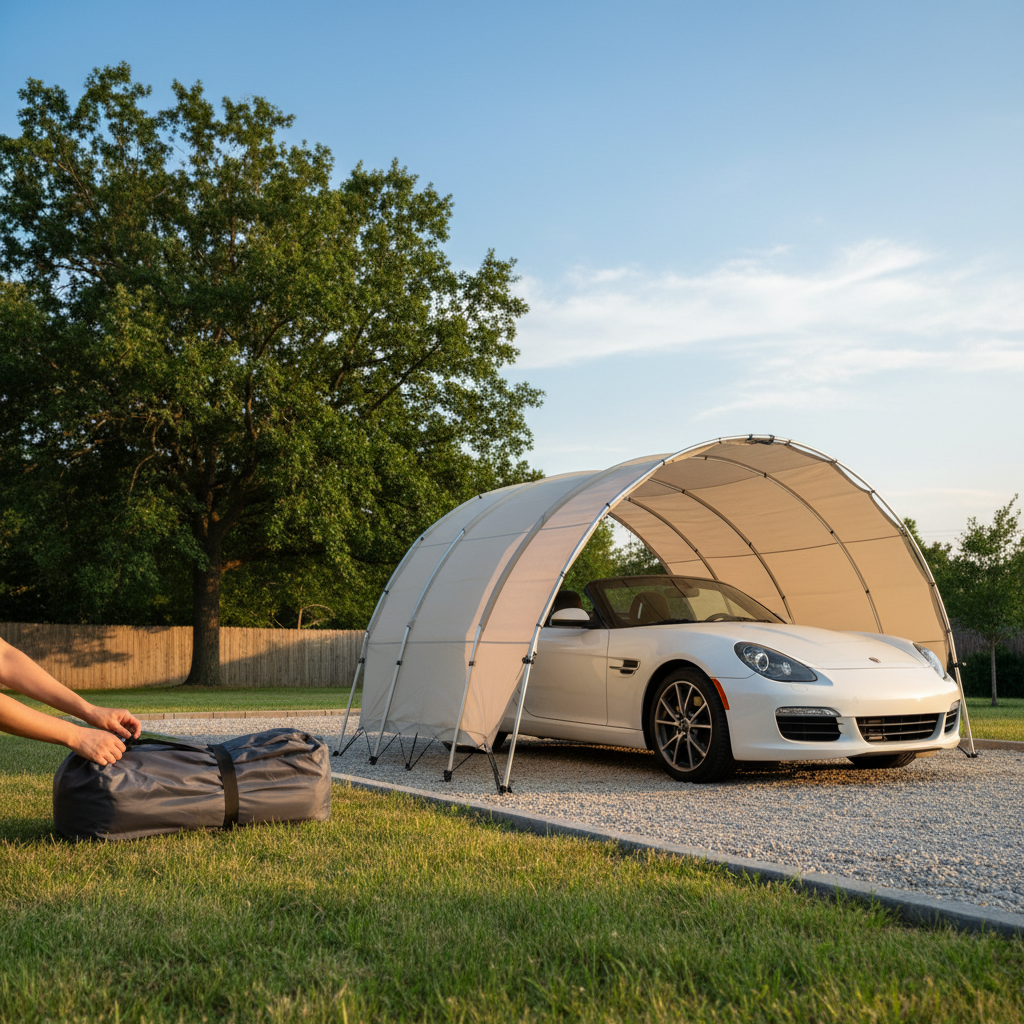
Did You Know About Foldable Car Shelters For Outdoor Protection?
Key Features and Benefits of Foldable Car Shelters
Foldable car shelters, often referred to as car tents or portable garages, represent a modern solution for vehicle owners who lack a permanent garage. These innovative structures offer a compelling middle ground between a simple car cover and a costly, fixed carport. They are designed to provide robust protection from the elements while offering a level of convenience and portability that traditional options cannot match. Understanding their core features and benefits is key to appreciating why they have become a popular choice for protecting cars, motorcycles, boats, and other valuable equipment.
Unmatched Portability and Flexibility
The most significant advantage of a foldable car shelter is its inherent portability. Unlike a permanent garage or even a semi-permanent carport, these shelters can be set up, taken down, and moved with relative ease. This is made possible by their lightweight frame systems, typically constructed from steel or aluminum, and a durable fabric canopy. This flexibility is invaluable for renters who cannot build permanent structures, homeowners who need temporary or seasonal vehicle storage, or enthusiasts who attend car shows and need on-the-spot protection from sun or rain.
This portability doesn't mean they are flimsy. Many models are engineered for stability and can be securely anchored to various surfaces, including grass, gravel, or pavement. The ability to relocate the shelter means you can adapt your space as needed—setting it up in the driveway during the winter and storing it away in the summer, or even taking it with you on an extended camping trip to protect your vehicle at the campsite.
Simplicity in Assembly and Use
Designers of foldable car shelters have placed a strong emphasis on user-friendliness. Most of these structures feature a concertina or accordion-style folding mechanism, allowing them to expand and retract smoothly. The setup process typically does not require specialized tools or construction expertise. Often, one or two people can fully erect the shelter in under an hour. The frame clicks and locks into place, and the canopy is then secured over the top, usually with heavy-duty straps or Velcro.
This ease of use extends to daily operation. Many shelters function like a clamshell, where one side lifts up and over the vehicle, allowing you to drive in and out without obstruction. You simply park your car, and then pull the canopy back down to enclose it. This is a significant improvement over traditional car covers, which can be cumbersome to put on and take off, especially in windy or wet conditions, and can risk scratching the car's paint if the surface is dirty.
Comprehensive All-Weather Protection
A primary function of any vehicle shelter is protection, and foldable models excel in this area. The canopies are usually made from heavy-duty, multi-layered fabrics like Oxford cloth or PVC-coated polyester. These materials are chosen for their specific protective qualities. They are typically waterproof, preventing rain, snow, and sleet from ever touching the vehicle's surface. This helps prevent rust and water damage to both the exterior and sensitive undercarriage components.
Furthermore, these fabrics are treated to be UV-resistant. Prolonged sun exposure is one of the leading causes of paint fading, dashboard cracking, and interior upholstery degradation. A foldable shelter acts as a powerful shield against harmful UV rays, preserving the vehicle's finish and resale value. It also provides excellent protection against other environmental nuisances like bird droppings, tree sap, falling leaves, dust, and even light hail, keeping the car cleaner and safer year-round.
Versatility Beyond Just Cars
While their primary name suggests they are for cars, the utility of these shelters extends far beyond a single purpose. Their open, spacious design makes them ideal for protecting a wide range of valuable items. Motorcycle owners find them perfect for keeping their bikes dry and out of the sun. Small boat owners can use them for off-season storage, protecting the hull and interior from the elements. They also serve as excellent storage spaces for lawnmowers, ATVs, bicycles, garden tools, and patio furniture.
This multi-purpose nature adds significant value. A single shelter can be repurposed throughout the year based on changing needs. In the summer, it might house patio furniture during a rainstorm, while in the winter, it becomes the primary protector for a classic car. This adaptability makes it a smart investment for homeowners looking for a flexible outdoor storage solution.
Enhanced Security and Privacy
A foldable car shelter offers a degree of security and privacy that a simple car cover cannot. By fully enclosing the vehicle, it keeps it out of sight from potential thieves or vandals. This "out of sight, out of mind" principle can be a powerful deterrent. Many models come with the option to be locked in the closed position, adding another layer of security that makes it difficult for anyone to access the vehicle without authorization.
This enclosure also provides privacy. For individuals working on a project car or performing maintenance, the shelter creates a private, self-contained workspace. It shields the vehicle and your activities from the view of neighbors and passersby, allowing you to work in peace. It also keeps your valuable tools and equipment concealed when you step away.
The Evolution of Vehicle Protection: From Tarps to Tents
The quest to protect vehicles from the elements is nearly as old as the automobile itself. Early car owners, often lacking dedicated garages, resorted to the most basic solutions available: heavy canvas or oilcloth tarps. These rudimentary covers offered minimal protection, were incredibly cumbersome, and often did more harm than good by trapping moisture underneath, leading to rust, and scratching paint with their rough texture.
The mid-20th century saw the rise of the fitted car cover, a significant improvement. Made from softer, more breathable materials, these covers were tailored to the specific shapes of different car models. They offered better protection against dust and sun, but still had drawbacks. They could be difficult for one person to put on, especially in the wind, and if placed on a dirty car, they could grind grit and dirt into the paintwork. The next step was the carport—a roof on legs. While effective against sun and rain, carports are permanent or semi-permanent structures that offer no side protection and are not portable.
The modern foldable car shelter is the logical culmination of this evolution. It combines the full-enclosure protection of a garage with the flexibility of a cover and the structural integrity of a carport. The innovation lies in the folding frame technology and the development of advanced, all-weather synthetic fabrics. These shelters address the shortcomings of previous solutions, providing a secure, portable, and easy-to-use option that meets the demands of today's vehicle owners.
Common Questions About Foldable Car Shelters
As with any relatively new product, potential users often have several questions about the practicality, durability, and maintenance of foldable car shelters. Understanding these aspects is crucial for determining if this type of shelter is the right fit for your needs and environment.
What Are the Primary Materials Used in Foldable Car Shelters?
The durability and effectiveness of a foldable car shelter are determined by two main components: the frame and the canopy. The frame is the structural backbone and is most commonly constructed from galvanized or powder-coated steel tubing. Steel is chosen for its strength and rigidity, which is essential for wind resistance and overall stability. Some lighter-duty or more premium models may use aluminum for its rust-proof properties and reduced weight, making it even more portable.
The canopy, or fabric cover, is arguably the most critical part for protection. The material of choice is typically a high-denier polyester fabric, such as 600D Oxford cloth. "Denier" is a measure of fiber thickness, and a higher number indicates a thicker, more durable material. This fabric is then often coated with PVC (polyvinyl chloride) or PU (polyurethane) on the inside. This coating is what makes the fabric completely waterproof and enhances its tear resistance. Additionally, the fabric is treated with UV inhibitors during the manufacturing process to prevent it from degrading under sunlight and to block harmful rays from reaching the vehicle.
How Do These Shelters Hold Up in Severe Weather?
This is one of the most common concerns for potential buyers. Foldable car shelters are designed to handle a variety of weather conditions, but they do have limits. For rain and sun, they are exceptionally effective. The waterproof canopy and sloped design ensure that water runs off easily, preventing pooling. Their UV protection is also a core feature. When it comes to wind, their performance depends heavily on proper anchoring. Most shelters come with heavy-duty stakes or bolts to secure the frame to the ground. When properly anchored, a quality shelter can typically withstand moderate to strong winds.
For snowfall, the answer is more nuanced. The arched or sloped roof design helps shed light snow. However, heavy, wet snow can accumulate and put significant stress on the frame and fabric. Most manufacturers recommend that users clear heavy snow accumulation from the roof to prevent potential collapse. They are generally not intended to be a substitute for a permanent garage in regions that experience extreme blizzards. In case of a forecasted hurricane or exceptionally severe storm, the wisest course of action is to retract and store the shelter if possible.
Are They Difficult to Maintain?
Maintenance for a foldable car shelter is surprisingly simple and straightforward. The primary task is keeping the canopy clean. Periodically, it's a good idea to hose it down with water to remove loose dirt, dust, bird droppings, and other debris. For more stubborn spots, a mild soap or detergent solution and a soft-bristled brush can be used. It's crucial to avoid harsh chemicals or abrasive cleaners, as these can damage the waterproof and UV-resistant coatings.
It is also important to regularly inspect the frame for any signs of rust (on steel models) or loose bolts. Tightening connections as needed will ensure the structure remains stable. If the shelter is used seasonally, it should be thoroughly cleaned and completely dry before being folded and stored away for the off-season. Storing it while damp can lead to the growth of mold or mildew on the fabric.
Conclusion
Foldable car shelters offer a highly practical and modern solution for vehicle protection. They successfully bridge the gap between flimsy car covers and expensive, immovable garages. By providing robust, all-weather protection in a portable, user-friendly, and versatile package, they address the needs of a wide range of users. Whether you're a renter, a homeowner with limited space, a classic car enthusiast, or simply someone looking for a flexible storage option, these innovative tents present a compelling way to safeguard your valuable assets from the elements.