Discover the Best Apps for Accurate Gemstone Identification
Trying to identify a gemstone with just your phone can be a game-changer, but choosing the right app from a crowded store is key. We downloaded and tested the most popular options, comparing them on critical features like photo recognition accuracy, database size, and overall user-friendliness.
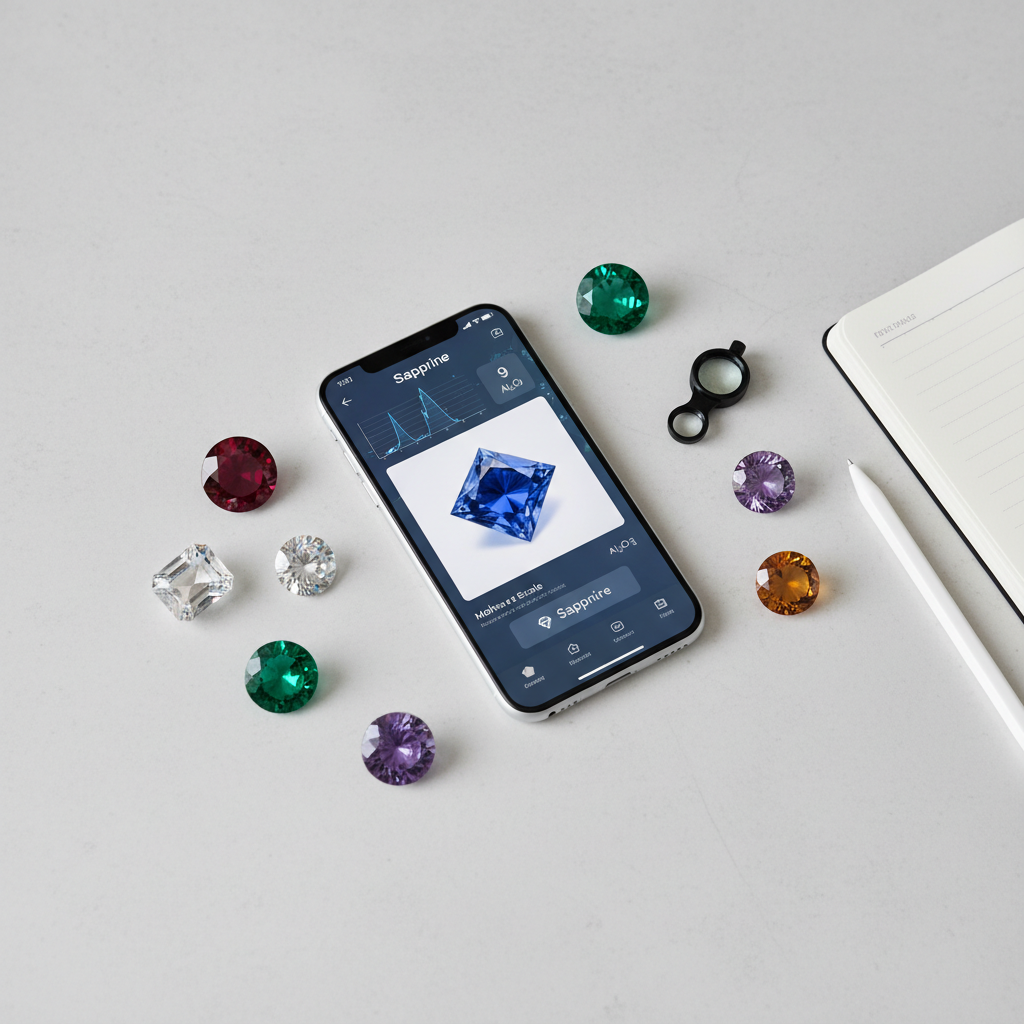
These Are The Top Gemstone Identification Apps
For geology enthusiasts, crystal collectors, and anyone with a curious eye, the ability to identify a fascinating rock or shimmering gemstone is a rewarding skill. In the past, this required bulky guidebooks and specialized tools. Today, powerful technology fits right into your pocket. Gemstone identification apps use your smartphone's camera and sophisticated algorithms to analyze and identify minerals, crystals, and gems in seconds. These digital tools are perfect for hobbyists looking to learn more about their finds or for shoppers wanting a quick preliminary check on a potential purchase.
While no app can replace the certified expertise of a gemologist, they serve as fantastic educational and screening tools. They can provide a wealth of information, from a stone's chemical composition and hardness to its metaphysical properties and market value. Here's a look at some of the top gemstone identification apps available today, each offering a unique set of features for different types of users.
1. Rock Identifier: Stone ID
Often considered one of the most popular and user-friendly options, Rock Identifier: Stone ID boasts a massive database and a high rate of accuracy for common minerals and gemstones. The process is incredibly straightforward: you simply snap a clear photo or upload one from your gallery, and the app's AI-powered engine gets to work. Within moments, it provides a potential match along with a detailed information card. This card includes the stone's name, chemical formula, hardness on the Mohs scale, color variations, and primary locations where it can be found.
Beyond simple identification, this app is a comprehensive learning tool. Each entry is packed with interesting geological facts, historical context, and even metaphysical lore associated with the stone. Users can also build and manage their personal collection within the app, creating a digital catalog of their finds with photos, notes, and identification details. The interface is clean and intuitive, making it accessible even for complete beginners. While the core identification feature is its main draw, the rich educational content is what keeps users coming back to deepen their knowledge.
2. Gemstone Identifier: Crystal ID
This app is specifically tailored for those who are more interested in crystals and gemstones rather than general rocks and minerals. Gemstone Identifier: Crystal ID focuses on the vibrant world of gems, offering detailed profiles that are particularly useful for collectors and jewelry lovers. After you submit a photo, the app doesn't just give you a name; it provides a comprehensive overview that includes crucial details like refractive index, specific gravity, and common cuts used for that particular stone. This level of detail is a significant step up for users who want to understand the properties that give a gem its unique sparkle and value.
One of the standout features of Gemstone Identifier: Crystal ID is its focus on practical knowledge. It often includes information on how to distinguish a particular gemstone from common look-alikes, which is invaluable for amateur collectors. For example, it might provide tips on how to differentiate a real ruby from a red spinel or a garnet. The app also allows you to save your identifications, build a digital collection, and read articles and guides about the world of gemology, making it a robust resource for anyone passionate about crystals and precious stones.
3. Geology Toolkit
Geology Toolkit is less of a simple "snap-and-identify" app and more of a comprehensive suite of tools for the serious geology student or hobbyist. While it does feature a rock and mineral identification function, its true strength lies in its vast array of geological resources and data. The app includes a mineral database with thousands of entries, a geological time scale, and various calculators and charts that are essential for fieldwork. It is designed for users who want to go beyond a surface-level identification and delve into the science behind the stones.
The identification feature prompts users to input observable characteristics like color, streak, luster, and hardness to narrow down the possibilities, functioning more like a classic digital field guide. This makes it a fantastic learning tool, as it forces you to pay closer attention to the physical properties of your specimen. Additionally, the app includes features like a compass-clinometer for measuring geological structures and offline maps, making it a powerful companion for hikers, students, and geologists out in the field. It’s the perfect choice for someone who wants an all-in-one geological resource, not just a quick photo identifier.
4. Gem-Pro
The Gem-Pro app is geared more towards professionals and serious enthusiasts in the jewelry trade. It functions as a powerful database and reference guide rather than an image-based identifier. Instead of taking a picture, you use the app's extensive search filters to identify a stone based on its known properties. You can input data such as color, refractive index, specific gravity, and hardness, and the app will provide a list of possible matches. This method is incredibly useful for gemologists or jewelers who have the tools to measure these properties but need a quick reference to confirm an identity.
Gem-Pro is packed with high-quality images and detailed gemological information for hundreds of gemstones. It provides data on pleochroism, fluorescence, and common inclusions, which are critical for accurate professional identification. The app also includes information about common treatments and synthetic variants, which is essential for determining a gem's authenticity and value. While it may be too technical for a casual user just looking to identify a pretty rock they found, it is an indispensable digital resource for anyone working with gemstones in a professional capacity.
How Do Gemstone Identification Apps Actually Work?
The magic behind most modern gemstone identification apps lies in a combination of artificial intelligence (AI), machine learning, and vast image databases. At its core, the technology is based on image recognition. When you take a photo of a stone, the app analyzes various visual cues—color, pattern, texture, luster (how it reflects light), and even fracture patterns.
This visual data is then compared against a massive, curated library of thousands or even millions of images of known minerals, rocks, and gemstones. The app’s machine learning algorithm has been "trained" on this database to recognize the subtle characteristics that define each type of stone. It looks for matches in color saturation, crystal shape, banding patterns, and other features. The more images the algorithm has been trained on, and the higher the quality of those images, the more accurate its predictions will be. Over time, as more users submit photos, the system can continue to learn and refine its accuracy, making the app even smarter.
Common Questions About Identifying Gemstones
Can These Apps Replace a Professional Gemologist?
This is a crucial question, and the answer is a firm no. Gemstone identification apps are fantastic educational and preliminary screening tools, but they are not a substitute for a certified gemologist. An app relies solely on visual data from a single photo, which can be misleading. It cannot perform the physical and optical tests required for a definitive identification and appraisal. A gemologist uses specialized equipment to measure properties like refractive index, specific gravity, and spectral absorption. They can also use magnification to examine internal inclusions and determine if a stone is natural, synthetic, or has been treated to enhance its color or clarity.
Think of these apps as a highly knowledgeable starting point. They can accurately identify common, rough minerals with distinct features. However, for cut, polished, and potentially valuable gemstones, especially those that look similar to others (like sapphire and tanzanite), you should always seek a professional opinion. An app can suggest you have a ruby, but only a gemologist can confirm it and determine its quality and value.
What Factors Can Affect an App's Accuracy?
Several factors can influence how accurately an app can identify your stone. The most significant is the quality of your photograph. A blurry, poorly lit photo will not provide the algorithm with enough clear data to make an accurate match. For best results, you should take a picture in natural, bright, indirect light against a plain, neutral background (like a white sheet of paper). Make sure the stone is in sharp focus and fills most of the frame.
The condition of the stone itself also plays a major role. A clean, well-defined specimen is much easier to identify than one covered in dirt or matrix (the host rock). Rough, uncut stones with visible crystal structures are often easier for an app to identify than faceted, polished gems, as the cutting process can obscure some of the natural identifying features. Finally, the rarity of the stone matters. Apps are best at identifying common rocks and minerals that are well-represented in their databases. A very rare or unusual specimen may stump even the best algorithms.
Conclusion
Gemstone identification apps have revolutionized the way hobbyists and enthusiasts engage with the world of geology. They offer instant access to a wealth of information, turning every interesting rock into a learning opportunity. From the user-friendly interface of Rock Identifier to the professional-grade data in Gem-Pro, there is an app suited for every level of interest. While they serve as excellent field guides and educational resources, it's important to remember their limitations. For matters of significant value or certified identification, the expertise of a professional gemologist remains the gold standard. By using these apps as a starting point, you can deepen your appreciation and knowledge of the beautiful and complex world of gemstones.
For more in-depth gemological information and professional resources, you can visit the following sites: