Discover the Best Cast Iron Cooking Utensils for Health-Conscious Home Chefs
If you're exploring cast iron cookware for its health benefits, you're in the right place.
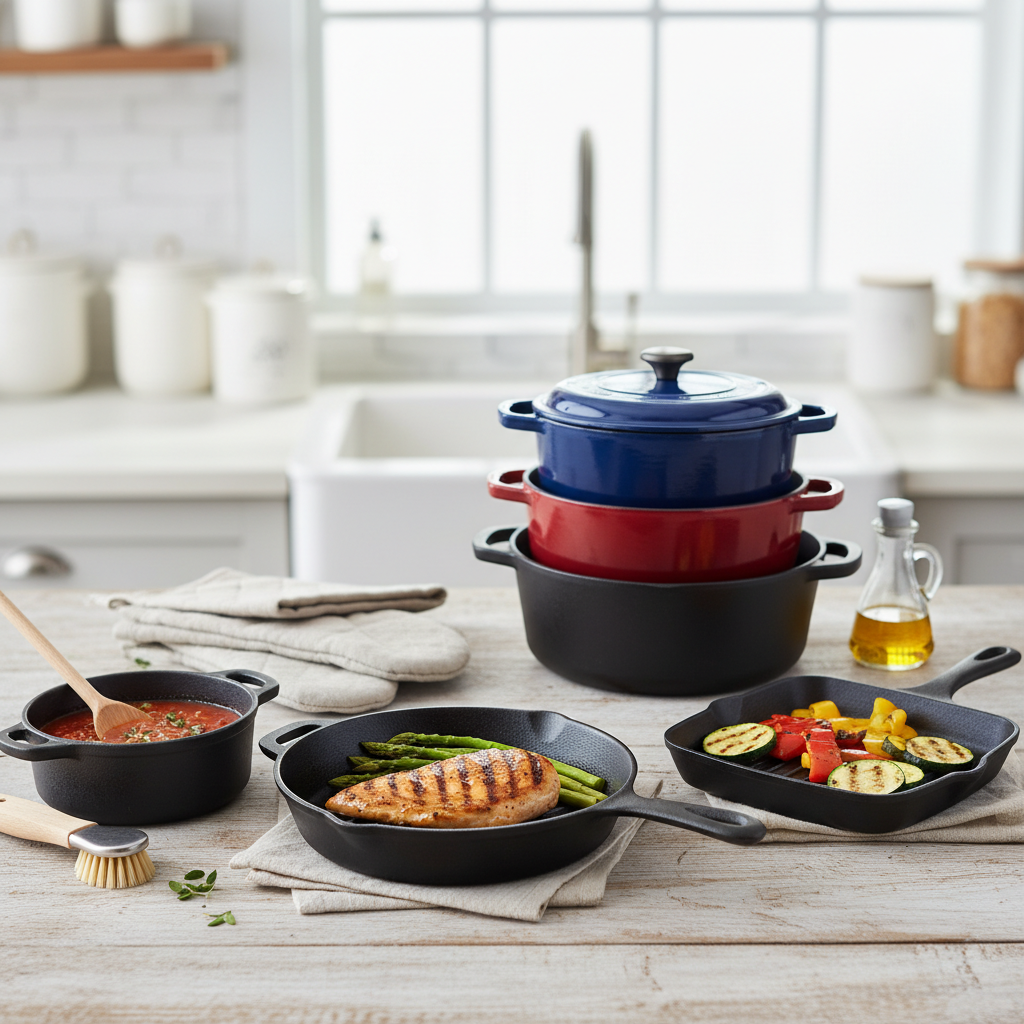
For those dedicated to a healthy lifestyle, the tools used in the kitchen are just as important as the ingredients. Cast iron cookware has stood the test of time, not just for its durability, but for its unique benefits that align perfectly with health-conscious cooking. Unlike modern non-stick pans that can release chemicals, a well-seasoned cast iron pan offers a naturally non-stick surface and can even fortify food with small, beneficial amounts of dietary iron. Below, we explore the essential cast iron utensils that every health-focused cook should consider.
1. The Classic Cast Iron Skillet
The cornerstone of any cast iron collection is the classic skillet. Typically ranging from 8 to 12 inches in diameter, this versatile pan is the ultimate workhorse. Its incredible heat retention and even distribution make it perfect for searing meats, poultry, and fish, creating a beautiful crust without the need for excessive oils or fats. This high-heat searing capability locks in juices and nutrients, which can be lost with slower cooking methods. For vegetables, a skillet allows for quick stir-frying or roasting, preserving their crispness and vitamin content.
From a health perspective, the skillet shines in its ability to build up a "seasoning" — a layer of polymerized oil baked onto the surface. This creates a naturally non-stick finish, reducing the amount of cooking oil needed. Furthermore, studies have shown that cooking in cast iron can slightly increase the iron content of food, particularly acidic foods like tomato sauce. For individuals looking to boost their iron intake naturally, this can be a small but significant benefit. Its versatility means you can cook everything from a morning frittata to a perfectly seared salmon fillet for dinner, all in one durable, chemical-free pan.
2. The Versatile Dutch Oven
A cast iron Dutch oven is a heavy, deep pot with a tight-fitting lid, making it an indispensable tool for slow-cooking. This utensil is perfect for health-conscious cooks who love preparing nutrient-dense, one-pot meals. Its ability to go from stovetop to oven allows you to brown ingredients first to develop flavor, then simmer them slowly for hours. This method is ideal for making hearty stews, soups, and bone broths, which are excellent for extracting minerals and collagen from bones and vegetables.
The slow, moist cooking environment created inside a Dutch oven helps to break down tough cuts of meat while tenderizing vegetables and legumes without turning them to mush. This gentle cooking process is excellent for retaining the nutritional value of your ingredients. You can create large batches of healthy meals with minimal effort, using lean proteins and a wide array of vegetables. The Dutch oven is also fantastic for baking artisan-style sourdough bread at home, allowing you to control the ingredients and avoid preservatives found in store-bought varieties.
3. The Cast Iron Griddle
Whether it's a flat, round griddle or a long, rectangular one that fits over two burners, a cast iron griddle is a fantastic addition for healthy cooking. Its large, flat surface is perfect for cooking multiple items at once without crowding, and it requires very little oil. You can make low-fat pancakes, grill vegetables like zucchini and asparagus, or cook lean proteins like chicken breasts or fish fillets. The direct, even heat provides a beautiful sear and satisfying grill marks, adding flavor without adding fat.
For health-conscious individuals, the griddle offers a way to prepare breakfast favorites with less grease. Eggs can be cooked with just a whisper of oil, and you can make whole-wheat pancakes or oat-based crepes on a naturally non-stick surface. It also excels at cooking foods that might otherwise be deep-fried. For instance, you can make crispy homemade black bean burgers or potato patties with a fraction of the oil used in traditional frying, resulting in a healthier yet equally delicious meal.
4. The Grill Pan or Grill Press
A cast iron grill pan, with its signature raised ridges, is the perfect tool for bringing the outdoor grilling experience indoors, year-round. These ridges serve a crucial health-oriented purpose: they lift the food away from the bottom of the pan, allowing excess fat and oil to drain away and collect below. This results in leaner, lower-calorie meals, especially when cooking meats like steak, burgers, or chicken. The high heat of the cast iron creates deep, flavorful sear marks, mimicking the taste of a traditional barbecue without the char that can sometimes contain harmful compounds.
Often used in conjunction with a grill pan is a cast iron grill press. This weighted utensil is placed on top of food as it cooks, ensuring maximum contact with the hot surface. This not only speeds up cooking time but also helps to press out even more unwanted fat from meats like bacon or ground beef patties. When used on sandwiches like paninis, it creates a crispy exterior without needing to be drenched in butter. Together, the grill pan and press are a dynamic duo for anyone looking to reduce their fat intake while still enjoying rich, savory flavors.
5. The Specialty Cornbread or Muffin Pan
While a skillet can certainly bake great cornbread, a dedicated cast iron cornbread or muffin pan takes it to another level. These pans often feature wedge-shaped or corn-stick-shaped molds that provide a superior crust-to-center ratio. For the health-conscious baker, cast iron offers a distinct advantage. Its ability to get screaming hot before the batter is added creates an incredibly crisp, golden-brown crust that is impossible to achieve with other materials. This means you can create satisfying textures without relying on extra sugar or fat in your recipe.
These specialty pans are not just for cornbread. You can use them to bake healthy, portion-controlled muffins, mini frittatas, or savory scones using whole grains and natural sweeteners. The even heating of cast iron ensures that your baked goods cook through uniformly without burning on the outside or remaining raw in the middle. By using a cast iron muffin pan, you can easily prepare healthy, grab-and-go breakfast options or snacks, free from the preservatives and refined ingredients found in many commercial baked goods.
The Enduring Legacy of Cast Iron Cookware
Cast iron's history is as rich and dense as the material itself. Its use in cooking dates back centuries, with origins in Han Dynasty China around 220 A.D. However, it was in Europe during the 17th and 18th centuries that casting techniques were refined, making pots and pans more accessible. For early American settlers and pioneers, a cast iron pot or skillet was often one of the most valuable possessions. It was incredibly durable, capable of withstanding the rigors of open-fire cooking, and versatile enough to bake, fry, and stew.
The 20th century saw the rise of lighter materials like aluminum and later, the convenience of Teflon-coated non-stick pans. For a time, cast iron was seen as old-fashioned and high-maintenance. However, in recent decades, there has been a massive resurgence in its popularity. This revival is driven by a growing awareness of the potential health risks associated with chemical non-stick coatings and a desire for more sustainable, long-lasting products. A single cast iron pan can last for generations if cared for properly, making it the antithesis of modern disposable culture. Chefs and home cooks alike have rediscovered its superior heat retention and its ability to create flavors and textures that other materials simply cannot replicate.
Common Questions About Cast Iron Cooking
How Do You Properly Season and Maintain Cast Iron?
Seasoning is the process of baking oil onto cast iron, which creates a rust-resistant, naturally non-stick surface. Most new cast iron pans come pre-seasoned, but the coating improves with every use. To maintain it, the cleaning process is key. After cooking, let the pan cool slightly, then scrape out any food bits. Use a stiff brush or scraper and hot water to clean it. Avoid using harsh soaps, as they can strip the seasoning. If you must use soap, use only a tiny drop of mild dish soap and rinse thoroughly.
The most critical step is drying the pan completely immediately after washing to prevent rust. You can wipe it dry with a towel, but the best method is to place it back on the stove over low heat for a few minutes until all moisture has evaporated. While the pan is still warm, wipe a very thin layer of cooking oil (like canola or grapeseed oil) over the entire cooking surface with a paper towel. This quick maintenance after each use will build a robust, slick seasoning over time, making your cookware better with age.
What Foods Should You Avoid Cooking in Cast Iron?
While cast iron is incredibly versatile, there are a few things to be mindful of, especially when your pan's seasoning is new and not yet fully developed. Highly acidic foods, like tomatoes, wine, or citrus, can react with the iron and strip the seasoning if cooked for a long period. This can result in a metallic taste in your food and damage to your pan's non-stick layer. A quick deglazing with wine or a short simmer of tomato sauce in a well-seasoned pan is usually fine, but slow-cooking a bolognese for hours is best left to a stainless steel or enameled pot.
It's also wise to avoid boiling large amounts of water for extended periods, as this can also weaken the seasoning. Additionally, very delicate foods like flaky fish or crepes might be challenging until your skillet has developed a slick, non-stick patina. Once your pan is exceptionally well-seasoned, these rules become less strict, but it's good practice to follow them initially to protect your investment.
Is Cooking in Cast Iron Actually Healthier?
For many, the primary health benefit of cast iron is the ability to cook without the synthetic chemicals found in many non-stick coatings, like PFOA and PTFE (Teflon). When these coatings are overheated, they can release fumes that are harmful to inhale. Cast iron provides a chemical-free alternative. A well-seasoned pan offers excellent non-stick properties, allowing you to use significantly less oil and fat in your cooking, which is a clear benefit for cardiovascular health and weight management.
Another widely cited health advantage is the transfer of dietary iron from the pan to the food. While the amount is relatively small, it can be a meaningful contribution for people with iron deficiencies. This effect is more pronounced with acidic foods and longer cooking times. Combining this with its superior searing ability that locks in nutrients and its incredible durability, cast iron stands out as a fundamentally simple, effective, and healthy choice for any modern kitchen.
Conclusion
For the health-conscious cook, cast iron is more than just cookware; it's a tool that enhances both the flavor and the nutritional profile of a meal. From the all-purpose skillet to the slow-cooking Dutch oven, each piece offers a way to prepare delicious food while minimizing oils and avoiding synthetic chemicals. By embracing these timeless utensils, you are investing in durability, versatility, and a healthier way of cooking that will serve you well for years to come.