Discover the Best Community Colleges in Canada: Top 5 Picks for Your Education Journey
Discover the top 5 community colleges in Canada, each offering unique opportunities for learning and growth. Explore diverse programs and engage with vibrant student communities while gaining valuable skills.
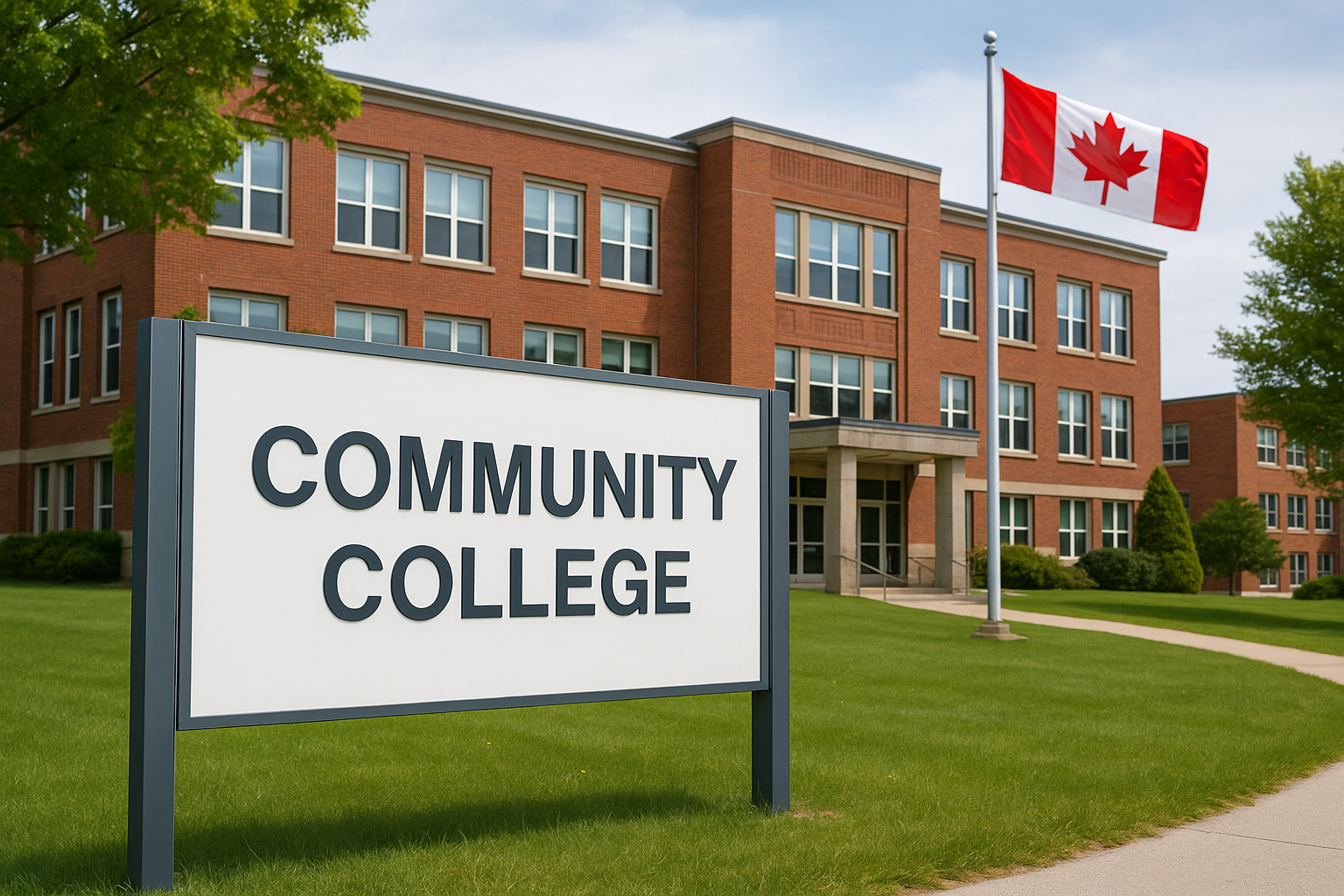
Understanding the Landscape of Canadian Community Colleges
Community colleges in Canada offer an incredible range of opportunities for students seeking affordable and quality education. With hundreds of half courses and technical skills to learn, it's no surprise that these institutions are a popular choice for both domestic and international students.
Before delving into our top picks, it's important to understand what makes community colleges a strategic option for so many individuals. They typically offer shorter programs, robust local partnerships for co-op placements, and pathways to university degrees.
What Makes a Community College Stand Out?
When evaluating community colleges, several factors come to the fore.
- Quality of Education: Professors with practical experience, updated curricula, and accreditations.
- Cost-Effectiveness: Lower tuition fees and additional financial support options distinguish them from universities.
- Student Support Services: Guidance resources, career services, and mental health support to enhance student experience.
- Location and Community Ties: Proximity to industries and the ability to foster enterprise-education collaborations.
The Top 5 Community Colleges in Canada
After a comprehensive review based on the criteria above, here are the top five community colleges in Canada in 2026.
1. Seneca College, Ontario
Seneca College is celebrated for its vibrant learning environment and extensive program range. Located in Toronto, it serves over 30,000 full-time students, offering programs in business, arts, technology, and sciences.
- Student-Centric Approach: Seneca offers more than 500 co-op and internship options, ensuring students receive real-world experience.
- Data & Analytics: With recent expansions into AI courses, Seneca is investing heavily in technology and data science to prepare students for future jobs.
2. British Columbia Institute of Technology (BCIT)
Known for vocational and tech training, BCIT produces practical, skills-focused graduates. With over 300 programs catering to various interests, BCIT plays a crucial role in trades and technology education.
- Industry Connections: Partnerships with leading tech firms have enabled cutting-edge labs and research opportunities.
- Pathway Opportunities: Graduates regularly transfer to top universities, crediting their smooth transition to BCIT’s comprehensive programs.
3. Humber College, Ontario
Humber is renowned for its polytechnic style of delivery, merging theoretical learning with hands-on training. It has over 180 programs, serving both part-time and full-time students.
- Campus Living: State-of-the-art facilities and a vibrant campus make it a community hub.
- Sustainability Focus: Humber’s commitment to sustainable practices is woven into its campuses and curricula.
4. Nova Scotia Community College (NSCC)
NSCC serves the Maritime provinces with 13 campuses and an emphasis on innovation and community development. Programs range from trades to health care, catering to regional workforce needs.
- Global Connections: NSCC’s international reputation attracts students worldwide, enriching cultural diversity and global perspectives.
- Social Enterprise Innovations: The college places strong emphasis on community projects aimed at sustainability and social good.
5. College of the North Atlantic, Newfoundland and Labrador
With its roots deep in technical and trades training, the College of the North Atlantic plays a vital role in regional development across Newfoundland and Labrador. It hosts students in fields such as engineering technology, health sciences, and skilled trades.
- Regional Impact: By addressing local industry demands, it strengthens workforce capabilities, significantly bolstering the local economy.
- Innovation in Tech Training: Cutting-edge programs in emerging tech fields position graduates for immediate industry entry.
Considering Enrollment: Key Points to Ponder
Before diving into your application, think about the following:
- Program Fit: Ensure the college offers the program and specializations you are interested in.
- Location and Lifestyle: Consider the lifestyle at college locations — urban vs. rural setting, climate, and cultural activities.
- Cost Considerations: Assess tuition, living costs, and financial aid availability.
- Transfer Agreements: If you intend to pursue a university degree, check for transfer agreements with universities.
In Conclusion
Community colleges in Canada mold skilled, knowledgeable individuals ready to tackle the challenges of the modern workforce. By exploring our top picks, you’re taking a step toward a rewarding educational journey. Whether it’s technology, health sciences, or trades, these colleges promise quality education complemented by meaningful experiences.
For more information, you might want to explore resources such as Maclean's community college rankings or the Colleges and Institutes Canada for recent trends and statistics.
References
- Seneca College (Ontario)
https://www.senecapolytechnic.ca/ - British Columbia Institute of Technology (BCIT)
https://www.bcit.ca/ - Humber College (Ontario)
https://humber.ca/ - Nova Scotia Community College (NSCC)
https://www.nscc.ca/ - College of the North Atlantic
https://www.cna.nl.ca/