Discover the Best Online Pet Antibiotic Deals at Costco
Navigating Costco's online pharmacy for your pet's antibiotics can be a smart move for both convenience and cost. To help you make the best choice, we’ve put together a simple guide to their most popular antibiotic offerings.
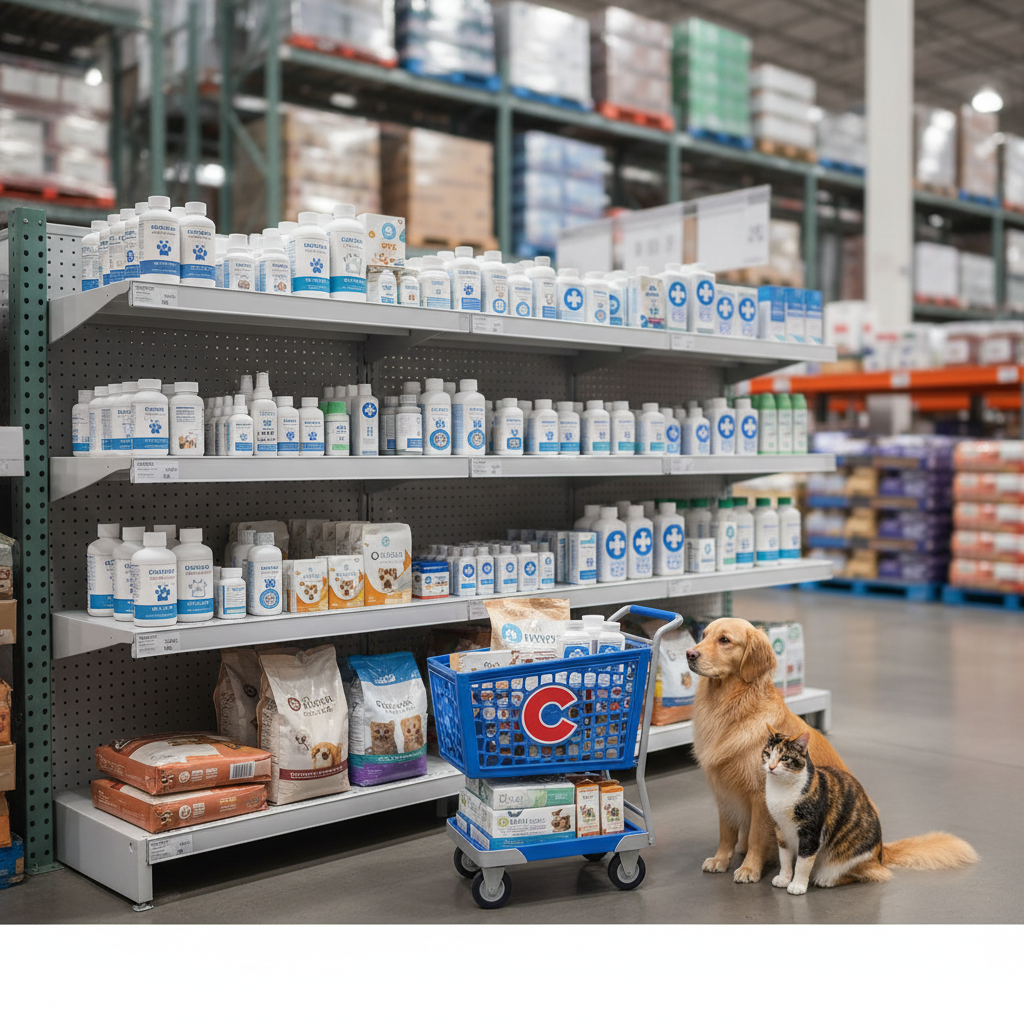
A Closer Look at Popular Pet Antibiotics at Costco
When a veterinarian diagnoses your pet with a bacterial infection, they will write a prescription for a specific antibiotic. Costco Pharmacy, through its membership program, offers competitive pricing on many common generic medications for pets. Understanding which antibiotics are frequently prescribed can help you know what to expect. It is crucial to remember that you can only obtain these medications with a valid prescription from a licensed veterinarian who has examined your pet.
Amoxicillin
Amoxicillin is one of the most commonly prescribed antibiotics for both dogs and cats. As a broad-spectrum penicillin-type antibiotic, it is effective against a wide range of bacteria. Veterinarians often turn to amoxicillin to treat various infections, including those affecting the skin, such as pyoderma or infected wounds. It's also a go-to choice for respiratory infections, like pneumonia or bronchitis, and urinary tract infections (UTIs), which are common in both cats and dogs.
This medication works by inhibiting the formation of bacterial cell walls, which ultimately leads to the death of the bacteria. It is typically well-tolerated by most pets, though some may experience mild gastrointestinal side effects like diarrhea or vomiting. It's available in several forms, including capsules, tablets, and a liquid suspension, making it easier to administer to pets who are difficult with pills. The liquid form is particularly useful for small animals where precise, weight-based dosing is critical.
Cephalexin
Cephalexin is another widely used broad-spectrum antibiotic from the cephalosporin class. It functions similarly to amoxicillin by disrupting bacterial cell wall synthesis. Veterinarians frequently prescribe it for treating skin and soft tissue infections. It is particularly effective against Staphylococcus bacteria, a common culprit in canine skin infections (pyoderma), abscesses, and post-surgical wound infections. It is also a reliable choice for treating urinary tract infections in both dogs and cats.
For pets that have a known allergy to penicillin, cephalexin can sometimes be a safe alternative, although cross-reactivity can occur. Your veterinarian will make this determination based on your pet’s medical history. Like amoxicillin, it is generally considered safe but can cause gastrointestinal upset in some animals. It's usually administered orally in capsule or tablet form, typically two or three times a day, and should always be given for the full prescribed duration to prevent the recurrence of infection.
Doxycycline
Doxycycline is a tetracycline-class antibiotic known for its effectiveness against a unique spectrum of bacteria that other antibiotics might not cover. It is the primary treatment for several tick-borne diseases, including Lyme disease, Rocky Mountain spotted fever, and Ehrlichiosis. If you live in an area with a high tick population, your vet may prescribe doxycycline if your pet shows symptoms consistent with these illnesses.
Beyond tick-borne diseases, doxycycline is also used to treat respiratory infections, such as kennel cough or pneumonia, as well as certain urinary tract and dental infections. It works by preventing bacteria from producing the proteins they need to survive and multiply. One important administration note is that the tablet or capsule form should always be followed by a small amount of water or food to prevent it from getting stuck in the esophagus, which can cause irritation, especially in cats.
Metronidazole
Metronidazole is a unique antibiotic because it is highly effective against anaerobic bacteria—bacteria that thrive in low-oxygen environments, such as the gut or deep within oral cavities. For this reason, it is a go-to medication for treating gastrointestinal issues, including certain types of diarrhea and inflammatory bowel disease. It is also one of the primary treatments for infections caused by the parasite Giardia.
In addition to its use for GI problems, veterinarians commonly prescribe metronidazole for dental and oral infections, where anaerobic bacteria are prevalent. The drug is known for having a very bitter taste, which can make administration challenging for some pets; some owners find it helpful to hide the pill in a strong-tasting treat. While generally safe, high doses or long-term use can lead to neurological side effects, so following your vet's prescribed dosage and duration is extremely important.
Clindamycin
Clindamycin is another powerful antibiotic used to treat a range of serious bacterial infections. It is particularly effective for deep skin infections (pyoderma), abscesses, and wound infections. Its ability to penetrate tissues well makes it an excellent choice for treating dental infections and osteomyelitis, which is an infection of the bone. It works by inhibiting bacterial protein synthesis, stopping the infection from growing and spreading.
Vets often prescribe clindamycin after dental procedures or for pets with severe periodontal disease. It's available in capsules, tablets, and an oral liquid, providing flexible dosing options. As with any antibiotic, it's vital to complete the entire course prescribed by your veterinarian, even if your pet seems to be feeling better. Stopping treatment early can lead to a relapse of the infection or contribute to the development of antibiotic-resistant bacteria.
Understanding the Costco Pet Pharmacy Program
Many pet owners are surprised to learn they can fill their pet's prescriptions at a pharmacy like Costco. This service is a convenient and often budget-friendly option, but it's important to understand how it works. Costco does not have veterinarians on staff; it functions as a traditional pharmacy that can fill prescriptions for animal patients, just as it does for human patients. The primary benefit is access to lower-cost generic drugs through the Costco Member Prescription Program (CMPP), which extends discounts to many common pet medications.
The process is straightforward but requires a valid prescription from a licensed veterinarian. After your vet has examined your pet and determined that an antibiotic is necessary, they will write a prescription. You can either take a physical copy of the prescription to your local Costco pharmacy or ask your vet’s office to call or fax it in directly. This ensures that a qualified professional has made the diagnosis and that your pet is receiving the correct medication and dosage for its specific condition and weight. The program underscores the partnership between your veterinarian's medical expertise and Costco's ability to provide affordable access to the prescribed treatment.
Common Questions About Pet Antibiotics
How Do I Get a Pet Prescription for Costco?
The first and most critical step to getting any prescription medication for your pet is a visit to a licensed veterinarian. Self-diagnosing your pet's condition is dangerous and can lead to improper treatment, which can worsen their health. During the examination, the vet will assess your pet's symptoms, perform any necessary diagnostic tests (like a urine sample or skin scrape), and determine the underlying cause of the illness. Only a vet can legally and safely diagnose a bacterial infection and decide if an antibiotic is the appropriate course of action.
Once a diagnosis is made, your veterinarian will write a prescription for a specific antibiotic, dosage, and duration. At this point, you have a choice. You can fill the prescription at the veterinary clinic itself, or you can request a written prescription to take to an outside pharmacy like Costco. Alternatively, you can ask the vet's office to send the prescription directly to the Costco pharmacy of your choice via phone or fax. This seamless process ensures the pharmacy has all the necessary information to fill the medication correctly for your beloved companion.
Are Pet Antibiotics the Same as Human Antibiotics?
This is a common and very important question. While the active pharmaceutical ingredient in a pet antibiotic (e.g., amoxicillin) may be chemically identical to the one in a human antibiotic, the medications are absolutely not interchangeable. You should never give your pet medication that was prescribed for a human. There are several critical differences that make this practice unsafe.
First, the dosages are vastly different and are calculated based on a pet’s specific weight and species, which a veterinarian is trained to do. Second, human medications often contain inactive ingredients, such as fillers, binders, and flavorings, that can be toxic to animals. A prime example is xylitol, an artificial sweetener found in some liquid human medications that is extremely poisonous to dogs. Finally, medications intended for animals go through a separate approval process to ensure they are safe and effective for that specific species. Using a human-approved drug without veterinary guidance could lead to ineffective treatment or severe adverse reactions.
What Are the Signs My Pet Might Need Antibiotics?
Recognizing the signs of a potential infection is the first step toward getting your pet the care it needs. While only a vet can make a diagnosis, being an observant owner can make all the difference. General signs that something is wrong include lethargy, a sudden decrease in appetite, hiding, or fever. However, more specific symptoms often point toward the location of a possible bacterial infection.
For skin infections, look for excessive scratching or licking, redness, rashes, swelling, a foul odor from the skin or ears, or the presence of pus. If you suspect a urinary tract infection (UTI), you might notice your pet is urinating more frequently, straining to urinate, having accidents in the house, or has blood in their urine. Respiratory infections often present with symptoms like coughing, sneezing, wheezing, or a colored discharge from the eyes or nose. If you notice any of these signs, it's time to schedule a visit with your veterinarian for a proper diagnosis and treatment plan.
Conclusion
Utilizing Costco's pharmacy can be a smart and economical way to manage your pet's healthcare costs, especially for common medications like antibiotics. The availability of low-cost generics for popular prescriptions such as Amoxicillin, Cephalexin, and Doxycycline provides significant value to members. However, this cost-saving opportunity is built on a foundation of responsible pet ownership and proper veterinary care.
It is essential to remember that antibiotics are powerful drugs that require a professional diagnosis and a valid prescription. Always consult your veterinarian to determine the right course of treatment for your pet's specific health needs, and never administer any medication without their expert guidance. By partnering with your vet, you can ensure your furry family member receives the best possible care safely and effectively.