Discover the Best Places to See Texas Wildflowers This Spring
Discover the beauty of Texas in springtime with our guide to the top 5 Texas Wildflowers Spots. These vibrant displays of nature are sure to brighten your day and offer perfect opportunities for breathtaking photography.
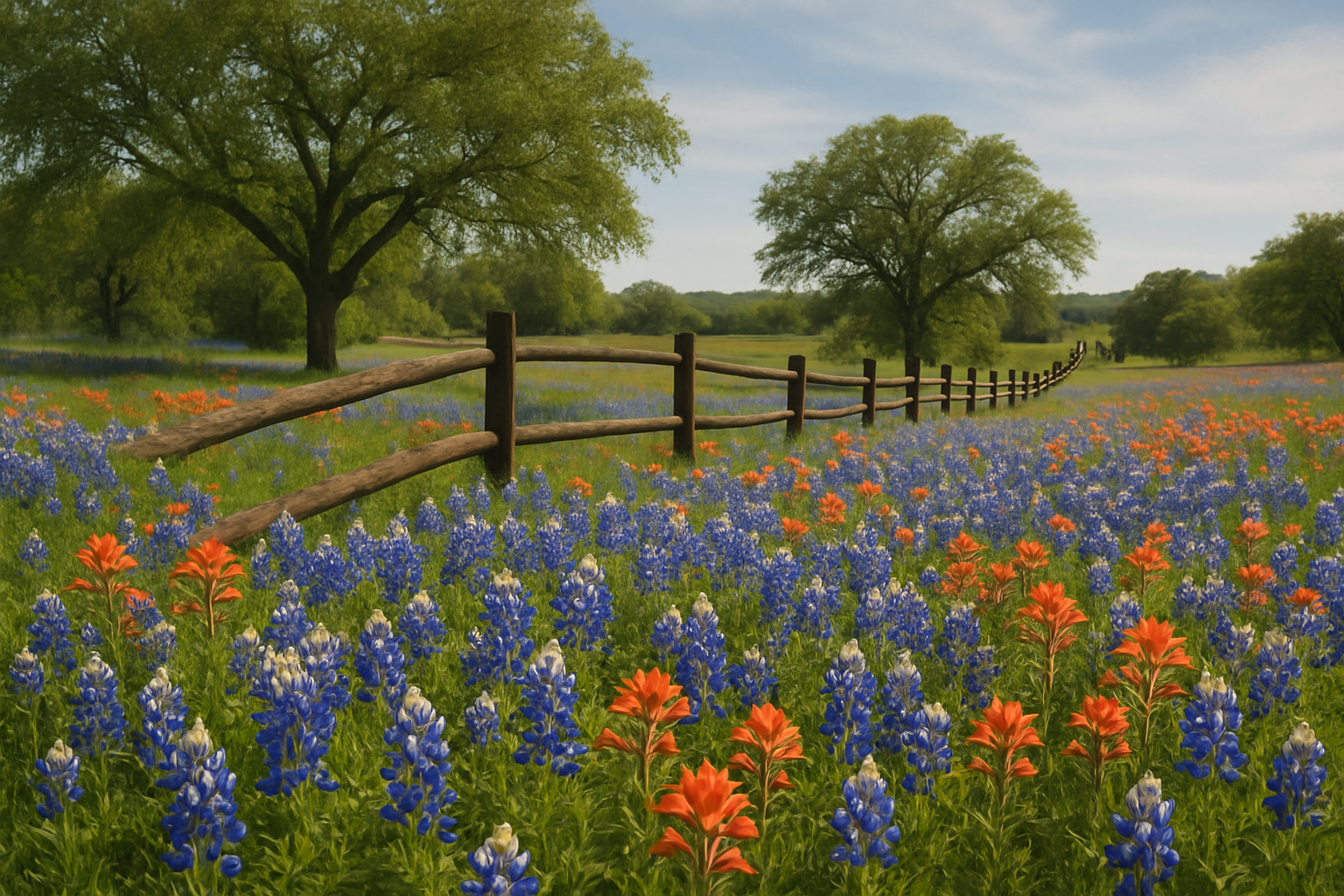
Exploring Texas: The Heartland of Wildflower Beauty
Every spring, Texas transforms into a vibrant canvas, peppered with a breathtaking array of wildflowers. Travelers and nature enthusiasts alike flock to witness this natural spectacle that breathes life into the sprawling Texas landscapes. While there are countless wildflower spots across the state, five locations stand out for their unparalleled beauty and rich diversity. In this article, we'll delve into these top Texas wildflower destinations and provide insights into making the most of your floral foray.
Key Questions About Texas Wildflowers
When is the Best Time to See Texas Wildflowers?
Timing is crucial for anyone hoping to catch sight of Texas’ famous wildflowers at their peak. Typically, the season starts in March, reaching its zenith around April and continuing into early May depending on the region of Texas. Weather conditions, such as rainfall and temperature, can significantly influence when wildflowers bloom. In 2026, experts have noted that an unusually mild winter and ample rainfall have led to earlier-than-usual blooms, offering extended opportunities for viewing these natural delights.
What Are the Best Wildflower Viewing Spots in Texas?
While wildflowers can be found across the state, certain locations offer exceptional experiences:
- Ennis Bluebonnet Trails: Celebrated as the “Official Bluebonnet City of Texas,” Ennis boasts over 40 miles of driving trails that showcase this beloved state flower in all its glory.
- Willow City Loop: A scenic 13-mile drive through the Texas Hill Country that provides a feast of wildflowers amid rolling hills and bluebonnets painting the landscape.
- Lady Bird Johnson Wildflower Center: Situated in Austin, this center acts as both a conservation site and a display garden for native blooms, perfect for an educational visit.
- Fredericksburg Wine Road 290: Combines the visual pleasure of wildflowers with wine tasting, offering a unique Texan experience.
- Big Bend National Park: Known for a diverse ecosystem, the park blooms with its unique wildflowers, especially cactus flowers that thrive in early spring.
How Can I Experience These Locations Responsibly?
As more people explore these floral spectacles, it’s essential to conduct trips responsibly to preserve these beautiful habitats for future generations. Here are some tips:
- Avoid picking wildflowers to allow them to reseed and bloom the following year.
- Stay on designated paths to minimize damage to the environment.
- Respect private property signs and observe from a respectful distance.
- Leave no trace — ensure you take all trash with you.
The Magic of Texas Wildflowers
Why Are Wildflowers Important?
Beyond their aesthetic appeal, wildflowers play a crucial role in Texas’ ecology. They provide habitat and food sources for pollinators like bees and butterflies, which are essential for maintaining healthy ecosystems. The diverse floral landscapes also help prevent soil erosion and maintain biodiversity, offering multiple ecological benefits.
Notable Wildflower Varieties of Texas
Texas’ wildflower cast is as diverse as it is colorful. Here are a few significant players:
- Bluebonnet: As the state flower, bluebonnets are the quintessential symbol of Texas springtime.
- Indian Paintbrush: Known for their fiery red hues, these flowers are often seen mingling with bluebonnets.
- Texas Winecup: These pinkish-purple blooms add depth to the wildflower tapestry.
- Pink Evening Primrose: Noted for their delicate pink petals, commonly seen in meadows and roadside verges.
- Mexican Hat: Named for their sombrero-like appearance, they exhibit striking orange and yellow petals.
Enhancing Your Wildflower Tour
Preparation Tips for Visitors
To maximize your wildflower viewing, consider the following:
- Timing: Start your excursions early in the day to avoid crowds and capture perfect lighting for photographs.
- Tools: Bring a camera with a good zoom lens for capturing delicate details and a field guide to help identify various species.
- Footwear: Wear comfortable shoes suitable for walking over uneven ground.
- Weather Preparedness: Texas weather can be unpredictable; layers and a hat can be beneficial.
Eco-Friendly Accommodation and Travel
Opting for eco-friendly travel options can enhance your experience while minimizing your environmental impact. Choose accommodations that prioritize sustainability, such as those implementing solar energy usage or water conservation practices. When possible, use public transportation or carpool to cut down on carbon emissions.
Embracing Conservation Efforts
Many organizations are dedicated to preserving wildflower habitats and promoting ecological education. Supporting these groups through donations or volunteering can help preserve Texas’ natural beauty. For more detailed information, you can visit resources like the Lady Bird Johnson Wildflower Center and the Texas Land Conservancy, which offer valuable insights and opportunities for involvement.
Texas’ wildflowers are more than just a springtime attraction; they are a testament to the state’s rich biodiversity and natural beauty. Tours through these colorful terrains promise awe, education, and inspiration—inviting us to appreciate and preserve the wonders of the natural world. By armoring yourself with knowledge and practicing responsible tourism, you can partake in a truly enriching adventure that honors both nature and conservation.