Discover the Best Places to See Texas Wildflowers This Spring
Discover the enchanting beauty of Texas with our guide to the top 5 wildflower spots in spring! From vibrant bluebonnets to colorful fields of Indian paintbrushes, Texas wildflowers offer a breathtaking display that nature lovers shouldn't miss.
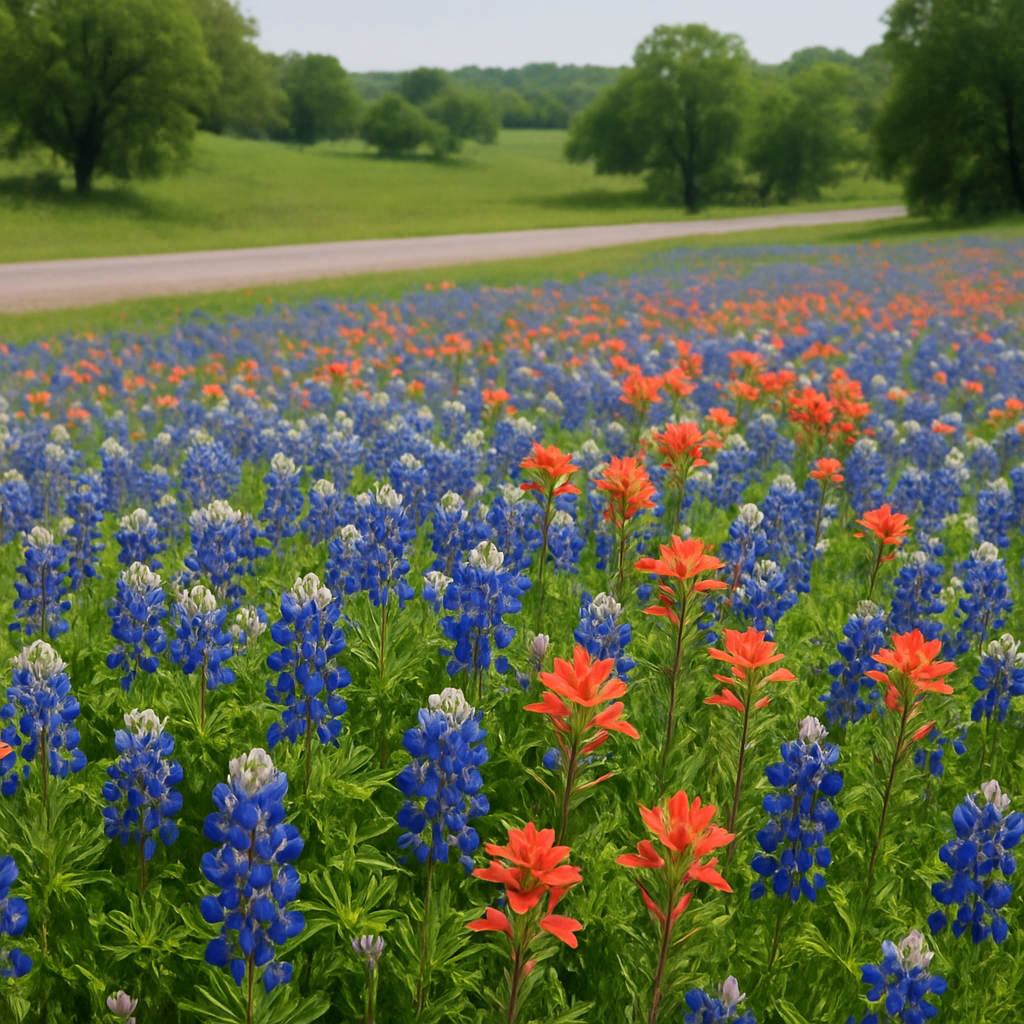
The Beauty of Texas Wildflowers
As spring arrives, Texas bursts into a mesmerizing display of wildflowers, offering an unparalleled visual feast. Wildflowers have been a part of the Texan landscape for centuries, creating vibrant carpets of color across the state's varied terrain. This beauty not only enhances the natural scenery but also supports wildlife and attracts photographers and nature enthusiasts from all around the world.
The best time to witness this spectacle is between March and May. During these months, the combination of sunny days and occasional rainfall creates an ideal environment for wildflowers to thrive. If you're planning a spring trip to Texas, knowing the top spots to see these wild displays can enhance your experience significantly.
Top 5 Texas Wildflower Spots in Spring
1. Willow City Loop
Located just outside of Fredericksburg, Texas, the Willow City Loop is a renowned scenic 13-mile drive that offers some of the most picturesque views of wildflowers. As you drive through this loop, you'll be greeted with hillsides covered in a rainbow of colors, from bright bluebonnets to Indian paintbrushes and more.
Given its popularity, it’s best to visit on weekdays or early mornings to avoid the crowds and fully appreciate the tranquil beauty of the area. Remember to bring your camera, as the vistas here are truly picture-perfect.
2. Lady Bird Johnson Wildflower Center
Situated in Austin, the Lady Bird Johnson Wildflower Center is a premier destination for those interested in learning more about Texas wildflowers. This center offers extensive educational resources and beautifully maintained gardens showcasing native plants and flowers.
The center, named after former First Lady Lady Bird Johnson, who was a staunch advocate for preserving native plants, features guided tours and workshops throughout the spring. A visit here not only provides visual delight but also enriches your knowledge about local flora and conservation efforts.
3. Bastrop State Park
Bastrop State Park, located in the heart of the Lost Pines region, is famed not just for its towering loblolly pines but also for its springtime wildflower blooms. The contrast of bright blooms against the lush green of pine forests makes for a unique and striking vista.
Exploring the park's trails gives you a closer look at a variety of wildflowers, including rare species that might not be seen elsewhere. Consider camping overnight for an immersive nature experience.
4. Ennis Bluebonnet Trails
In April, the Ennis Bluebonnet Trails become a must-visit destination. These trails were designated by the Texas Legislature as the “Official Bluebonnet Trail of Texas” and span over 40 miles in the Ennis countryside.
The city of Ennis hosts a Bluebonnet Festival every April, transforming the area into a festive atmosphere with live music, food vendors, and craft stalls, ensuring every visitor leaves with cherished memories and perhaps some local artisan goods.
5. Big Bend National Park
Far west in Texas, Big Bend National Park offers a dramatic setting for wildflowers, set against the rugged beauty of the Chisos Mountains and the desert landscape. The park includes a range of habitats, from river environments to mountainous areas, each hosting diverse wildflower species.
A visit to Big Bend is especially rewarding for those interested in more than just flowers, as the park is home to numerous hiking trails, geological sites, and has a stunning night sky perfect for stargazing.
Why Texas Wildflowers Matter
Wildflowers are more than just a seasonal attraction; they play a crucial role in Texas's ecosystem. They provide essential nectar and pollen to bees and butterflies, acting as a lifeline for these important pollinators.
- Ecological Benefits: Wildflowers help prevent erosion, conserve water, and improve soil health by fixing nitrogen and other important nutrients.
- Economic Impact: Wildflower tourism brings considerable economic benefits to local communities, as visitors spend on accommodation, food, and activities.
- Conservation Efforts: Organizations like the Lady Bird Johnson Wildflower Center are crucial in promoting the conservation of native plant species through education and research.
Planning Your Visit
To make the most of your wildflower viewing in Texas, planning ahead is essential. Here are a few tips:
- Timing Is Everything: Monitoring bloom reports can help ensure that you visit when the flowers are at their peak. Websites like the Texas Department of Transportation’s wildflower page offer up-to-date bloom status.
- Respect Nature: While it’s tempting to pick flowers or venture off-trail for the perfect photo, doing so can damage the ecosystem. Always adhere to local regulations and stay on designated paths.
- Be Prepared: Weather in Texas can vary significantly, especially in spring. Dress in layers and carry sun protection, water, and appropriate footwear for your outdoor adventures.
Conclusion
Visiting Texas during the spring offers an unparalleled opportunity to witness one of nature's true spectacles. From fields awash with bluebonnets to the diverse wildflower displays in state parks, each location offers its own unique flavor of beauty. By planning your visit and respecting the natural environment, you can ensure that these vibrant displays continue for generations to come.
For more in-depth resources, consider checking out the Texas A&M University’s Wildflower Center resources or the informative Travel South West Wildflower Guide.