Discover the Best Winter Gloves Rated for Cold Weather
Not all winter gloves are created equal. Some offer incredible warmth but make it impossible to use your phone, while others provide dexterity but can't handle a true cold snap.
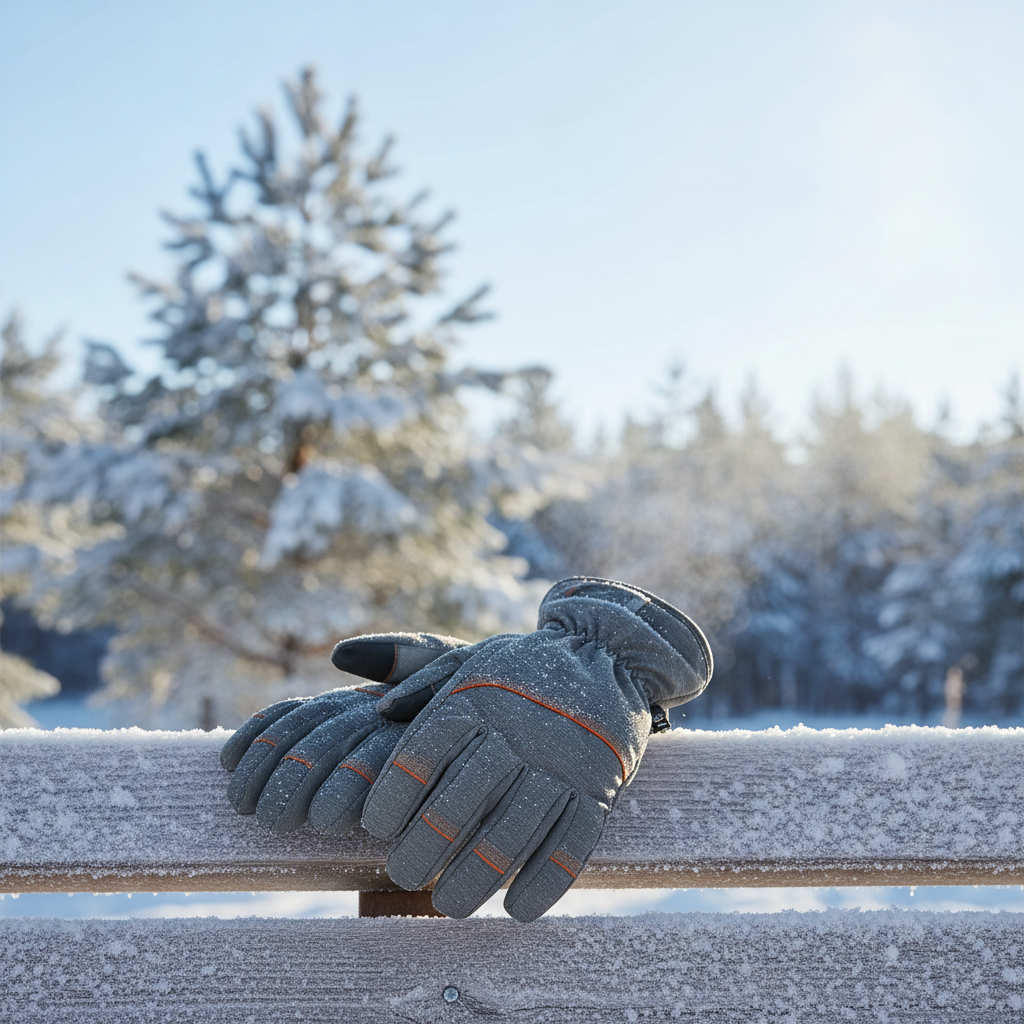
Exploring the Best Categories of Winter Gloves
When the temperature plummets, a quality pair of winter gloves is not a luxury—it's a necessity. The right gloves can make the difference between a miserable, frigid experience and comfortable warmth. However, not all gloves are created equal. The "best" pair often depends on the specific activity, the intensity of the cold, and personal preferences. Below, we break down the top-rated categories of winter gloves designed to tackle everything from a chilly commute to extreme winter sports.
1. All-Around Insulated Gloves
This is the most common and versatile category, designed for everyday winter activities like commuting, walking the dog, or shoveling snow. These gloves strike a balance between warmth, comfort, and dexterity. They typically feature a synthetic insulation material like 3M Thinsulate or PrimaLoft, which traps body heat effectively without adding excessive bulk. The outer shells are often made of durable, water-resistant fabrics like nylon or polyester to fend off light snow and wind.
A key feature to look for in this category is a comfortable inner lining, often made of fleece or a similar soft material, which adds an extra layer of warmth and feels great against the skin. Many modern all-around gloves also come with touchscreen-compatible fingertips, allowing you to use your smartphone without exposing your hands to the cold. They are the perfect go-to option for moderate winter conditions and general use.
2. High-Performance Ski & Snowboard Gloves
Built for the demanding conditions of the slopes, ski and snowboard gloves prioritize waterproofing, durability, and warmth. Their standout feature is almost always a waterproof and breathable membrane, with Gore-Tex being the industry standard. This membrane is a high-tech layer sandwiched between the outer shell and the insulation, which stops water molecules from getting in but allows sweat vapor to escape. This is crucial for keeping your hands dry from both external moisture and internal perspiration during intense activity.
These gloves also feature robust construction, with reinforced palms and fingers, often using leather or durable synthetic materials to withstand abrasion from ski poles, ropes, and board edges. They typically have longer cuffs, known as gauntlets, which can be cinched tight to go over your jacket sleeve, creating a complete seal against snow and wind. While they offer less dexterity than lighter gloves, their protective features are unmatched for winter sports.
3. Battery-Powered Heated Gloves
For individuals who suffer from chronically cold hands, have conditions like Raynaud's syndrome, or face truly arctic temperatures, heated gloves are a game-changer. These gloves contain integrated heating elements powered by small, rechargeable battery packs that tuck into a pocket on the cuff. Users can typically cycle through several heat settings (low, medium, and high) to customize the level of warmth based on the conditions and their personal comfort.
While they are the most expensive option, the active heating they provide is far superior to what any passive insulation can offer. Modern heated gloves are surprisingly sleek, with flexible heating wires woven throughout the fingers and the back of the hand. Battery life is a key consideration, usually lasting anywhere from two to eight hours depending on the heat setting. They are ideal for low-intensity activities in extreme cold, such as ice fishing, winter photography, or attending outdoor sporting events.
4. Versatile Liner Gloves
Liner gloves are thin, lightweight, and form-fitting gloves designed to be worn either on their own in mild cold or as a base layer under a heavier, waterproof outer glove or mitten. Their primary purpose is to add an extra layer of insulation and to wick moisture away from the skin, keeping your hands dry and therefore warmer. The most popular materials for liners are merino wool and synthetic fabrics like polyester or spandex blends.
Merino wool is highly prized for its natural warmth, breathability, and odor resistance, even when damp. Synthetic liners excel at wicking sweat and drying quickly. Almost all modern liner gloves feature touchscreen compatibility, making them perfect for those moments when you need to perform a delicate task—like answering a call or tying a shoelace—without fully exposing your hands in freezing weather. They are an essential part of any effective winter layering system.
5. Heavy-Duty Work Gloves for Extreme Cold
When manual labor is on the agenda in freezing temperatures, you need gloves that prioritize durability and protection above all else. Heavy-duty winter work gloves are built to withstand the rigors of construction, ranching, or forestry. The outer shells are typically made from thick, tough materials like cowhide or goatskin leather, which offer excellent resistance to cuts, punctures, and abrasion.
Inside this rugged exterior is a thick layer of insulation designed for maximum warmth. Some models, often called "chopper mitts," come with removable wool or fleece liners that can be taken out for drying. The fit is generally looser to allow for better circulation and to accommodate the thick insulation. While they are bulky and offer limited dexterity for fine tasks, their ability to protect hands from both the cold and physical hazards is second to none.
6. Mitten-Style Gloves
For pure, unadulterated warmth, nothing beats a mitten. By keeping your fingers together in one compartment (with a separate spot for the thumb), mittens allow your fingers to share their warmth, significantly reducing the amount of body heat lost compared to five-fingered gloves. This design makes them the superior choice for people with poor circulation or for anyone venturing into extremely cold, sub-zero environments.
The main trade-off with mittens is a significant reduction in dexterity. You can’t perform tasks that require individual finger movement, like zipping a jacket or adjusting gear. To address this, some hybrid designs exist, such as "three-finger" or "lobster" gloves, which group the index finger separately to offer a bit more functionality. However, for activities where dexterity is not the primary concern—like long winter hikes or sitting in a ski lift on a frigid day—the thermal efficiency of a traditional mitten is unbeatable.