Discover the Best Winter Jackets for Boys This Season
Finding the right winter jacket for your boy means balancing serious warmth, playground-proof durability, and a style he’ll actually want to wear. To make your search easier, we’ve sorted this season's best options into key categories.
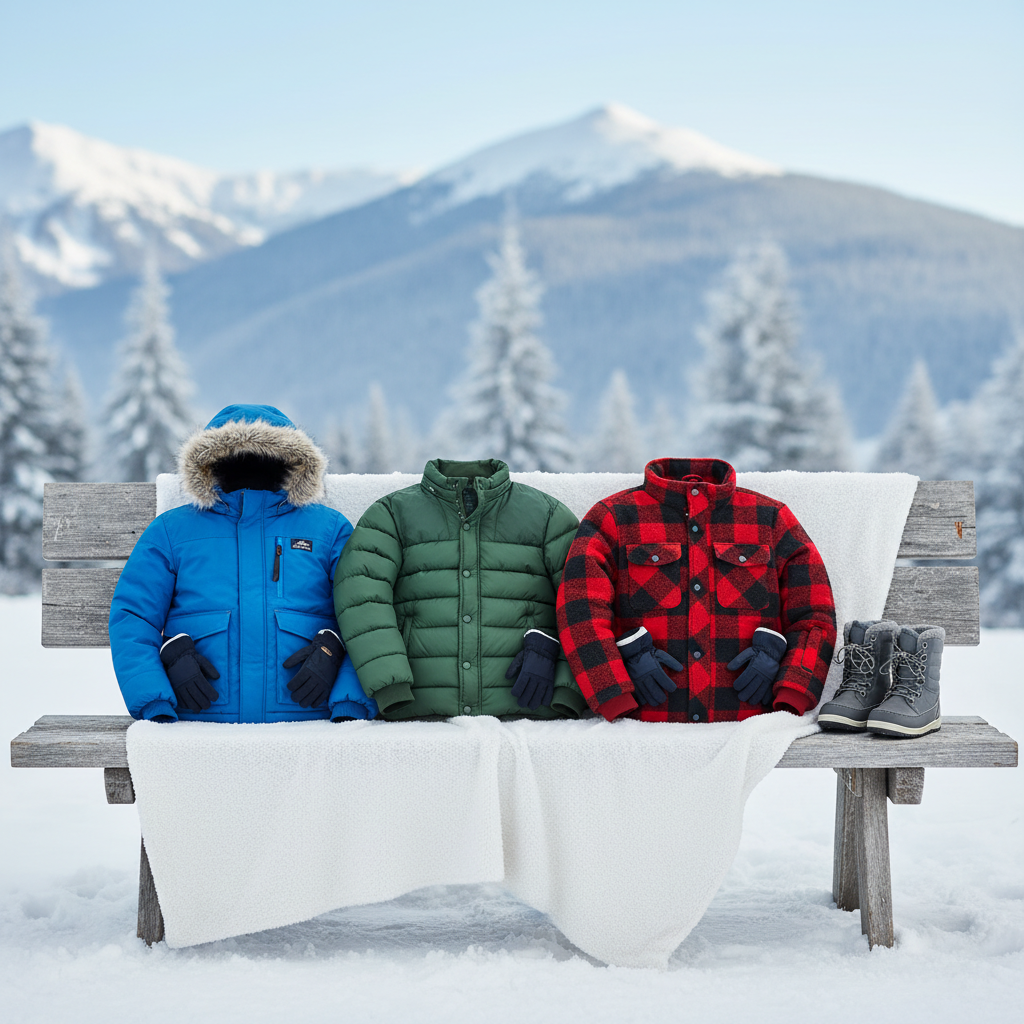
These Are The Top Winter Jackets For Boys This Season
The Versatile 3-in-1 System Jacket
A 3-in-1 jacket is arguably one of the most practical and versatile options for a child's winter wardrobe. This design consists of two distinct pieces that can be worn together or separately: a waterproof and windproof outer shell and a cozy, insulated inner jacket, which is often a fleece or a light synthetic puffer. The two layers connect securely with zippers and snaps, creating a single, robust winter coat when combined. This modular approach provides an incredible amount of flexibility for navigating unpredictable weather conditions throughout the fall, winter, and spring.
The primary benefit of the 3-in-1 system is its adaptability. On a cold, snowy day, a boy can wear both layers zipped together for maximum warmth and protection from the elements. For a milder but rainy autumn afternoon, the outer shell works perfectly as a standalone rain jacket. On a cool, dry day, the inner fleece or puffer is an ideal lightweight layer for school or playing outside. This versatility not only saves space in the closet but also offers excellent value, essentially providing three different jacket options for the price of one.
The Classic Down Puffer Jacket
The down puffer jacket is an iconic piece of winter outerwear known for its exceptional warmth-to-weight ratio. These jackets are filled with the soft, fluffy under-feathers of ducks or geese, which are incredibly efficient at trapping body heat. The signature "puffy" look comes from the stitched baffles or chambers that hold the down insulation in place, preventing it from shifting and creating cold spots. This construction results in a jacket that is remarkably lightweight and compressible, making it easy for a child to move in and simple to pack into a backpack if needed.
While down provides superior warmth, its main vulnerability is moisture. When traditional down gets wet, it clumps together and loses its loft, and therefore its ability to insulate. For this reason, many modern down jackets for kids feature a water-resistant outer fabric or use a special hydrophobic down that has been treated to repel moisture. A down puffer is an excellent choice for cold, dry climates or for activities where staying lightweight is a priority. It offers unparalleled warmth without the bulk of other jacket types.
The Rugged Insulated Parka
When the temperature plummets and the primary goal is maximum warmth and protection, the insulated parka is the go-to choice. Characterized by its longer length, which typically extends to the mid-thigh, a parka provides extra coverage and protection for the lower torso and upper legs. These jackets are built with durable, heavy-duty outer fabrics designed to withstand harsh winds and heavy snowfall. They are usually filled with a thick layer of high-quality synthetic insulation, which retains its warming properties even in damp conditions.
Parkas are loaded with features specifically designed for extreme cold. A prominent feature is often a deep, insulated hood, frequently lined with faux fur. This fur trim is not just for style; it creates a pocket of still air around the face, disrupting airflow and helping to protect exposed skin from windburn. Other common features include storm flaps over the main zipper, ribbed inner cuffs to seal out drafts, and large cargo pockets. A parka is the ideal jacket for low-intensity activities in frigid weather, such as waiting for the school bus, building a snowman, or attending an outdoor event.
The High-Performance Ski/Snowboard Jacket
Designed specifically for the demands of winter sports, a ski or snowboard jacket is a technical piece of outerwear that prioritizes mobility, breathability, and robust weather protection. These jackets are constructed with advanced waterproof and breathable membranes (often indicated by ratings like 10k/10k) that block snow and sleet from getting in while allowing sweat vapor to escape. This is crucial for keeping a child dry and comfortable during strenuous activities like skiing, snowboarding, or sledding, as getting wet from the inside can lead to a dangerous chill.
Beyond the advanced fabrics, these jackets include a suite of sport-specific features. A powder skirt—an elasticized gasket at the waist—snaps shut to prevent snow from flying up inside the jacket during a fall. Underarm vents, known as "pit zips," can be opened to quickly release excess heat without having to remove the jacket. You will also find specialized pockets for ski passes, goggles, and media devices, along with adjustable cuffs and hoods designed to fit securely over helmets and gloves. While they are a top choice for the slopes, their durability and weatherproofing make them a great all-around option for any active child in a snowy climate.
The Everyday Synthetic Insulated Jacket
The synthetic insulated jacket is the reliable workhorse of the children's winter coat world. Instead of down, these jackets are filled with man-made polyester fibers engineered to mimic the heat-trapping properties of down clusters. Insulations like PrimaLoft, Thinsulate, or other proprietary blends offer excellent warmth and have one major advantage over down: they continue to insulate effectively even when they get damp. This makes them a fantastic, worry-free choice for kids who are likely to get wet from playing in the snow or getting caught in a light winter rain.
These jackets are typically very durable, easy to care for (most are machine washable), and often more affordable than their down-filled counterparts. They strike a great balance between warmth, weather resistance, and practicality for daily use. While they may be slightly heavier and less compressible than a premium down jacket of similar warmth, their resilience and dependable performance in mixed conditions make them an ideal choice for the daily grind of school, recess, and weekend adventures.
Understanding Winter Jacket Technology: What Makes a Jacket Warm?
The Core of Warmth: Insulation
The single most important factor in a winter jacket's warmth is its insulation. The goal of insulation is not to create heat, but to trap the heat your body naturally produces. There are two main categories: Down and Synthetic. Down, as mentioned, is exceptionally light and efficient at trapping heat, measured by "fill power" (the higher the number, the better the quality). Synthetic insulation is made from polyester fibers. While slightly heavier for the same amount of warmth, it excels in wet conditions and is generally more rugged and hypoallergenic.
Staying Dry: Waterproofing and Water Resistance
Staying dry is just as important as staying warm. A "water-resistant" fabric will shed light rain or snow for a short period, but it will eventually soak through. A truly "waterproof" jacket uses a membrane or coating that acts as a complete barrier to liquid water. These are often given a numerical rating (e.g., 5,000mm or 10,000mm), which measures how much water pressure the fabric can withstand before leaking. For active kids in snowy areas, a waterproof jacket is essential.
The Importance of Breathability
A jacket also needs to be breathable. As a child runs and plays, their body produces sweat. If that moisture is trapped inside the jacket, it will make their base layers damp, and they will quickly become cold once they stop moving. Breathable fabrics allow water vapor (sweat) to escape while still blocking wind and precipitation from the outside. This feature is particularly important in technical ski and snowboard jackets designed for high-exertion activities.
Essential Considerations When Choosing a Boy's Winter Jacket
How to Get the Right Fit for a Growing Child
Choosing the right size can be tricky. While it's tempting to buy a much larger size for them to "grow into," a jacket that is too big can be counterproductive. Excess space inside creates large air pockets that the body has to work harder to warm up, reducing the jacket's efficiency. Furthermore, sleeves that are too long can be a safety hazard, getting in the way during play. A good strategy is to have the child try on the jacket while wearing a thick sweater or fleece, which mimics their winter layers.
Check for proper sleeve length—they should reach the wrist bone, providing full coverage without bunching up over the hands. The hem of the jacket should fall below the waist to prevent drafts when they bend over. Some brands offer "grow-with-me" systems that feature a special stitch in the sleeves that can be released to add an extra inch or two of length for the following season, offering a great compromise between a proper fit now and longevity.
The Power of Layering
No single jacket can handle every winter condition, which is why understanding layering is so important. Teaching a child to layer properly allows them to adapt to changing temperatures and activity levels throughout the day. The system consists of three main parts. The base layer (worn against the skin) should be made of a moisture-wicking material like merino wool or synthetic polyester to pull sweat away from the body. The mid-layer (like a fleece or light vest) is the insulating layer that traps body heat. The outer layer is the winter jacket itself, which serves as the protective shell against wind, rain, and snow.
By using this system, a child can easily regulate their temperature. If they get too warm while running around at recess, they can remove their mid-layer. If the weather is mild but windy, they might only need their base layer and the jacket shell. This approach makes any jacket more versatile and ensures comfort across a much wider range of conditions than wearing a single, bulky layer.
Conclusion
Selecting the right winter jacket for a boy involves balancing the climate, his typical activity levels, and key features that provide warmth, dryness, and comfort. From the adaptable 3-in-1 system to the maximum-warmth parka and the high-tech ski jacket, there is a style designed to meet every need. By understanding the different types of insulation, the importance of weatherproofing, and the benefits of proper fit and layering, you can ensure he stays warm and protected all season long, ready for any winter adventure that comes his way.