Discover the Charm: Top 5 Small Towns to Call Home in Tasmania
Discover charming small towns nestled in beautiful Tasmania, each offering a unique lifestyle and stunning landscapes. Delve into the top 5 small towns to live in Tasmania and uncover why they are ideal choices for those seeking tranquility and community spirit.
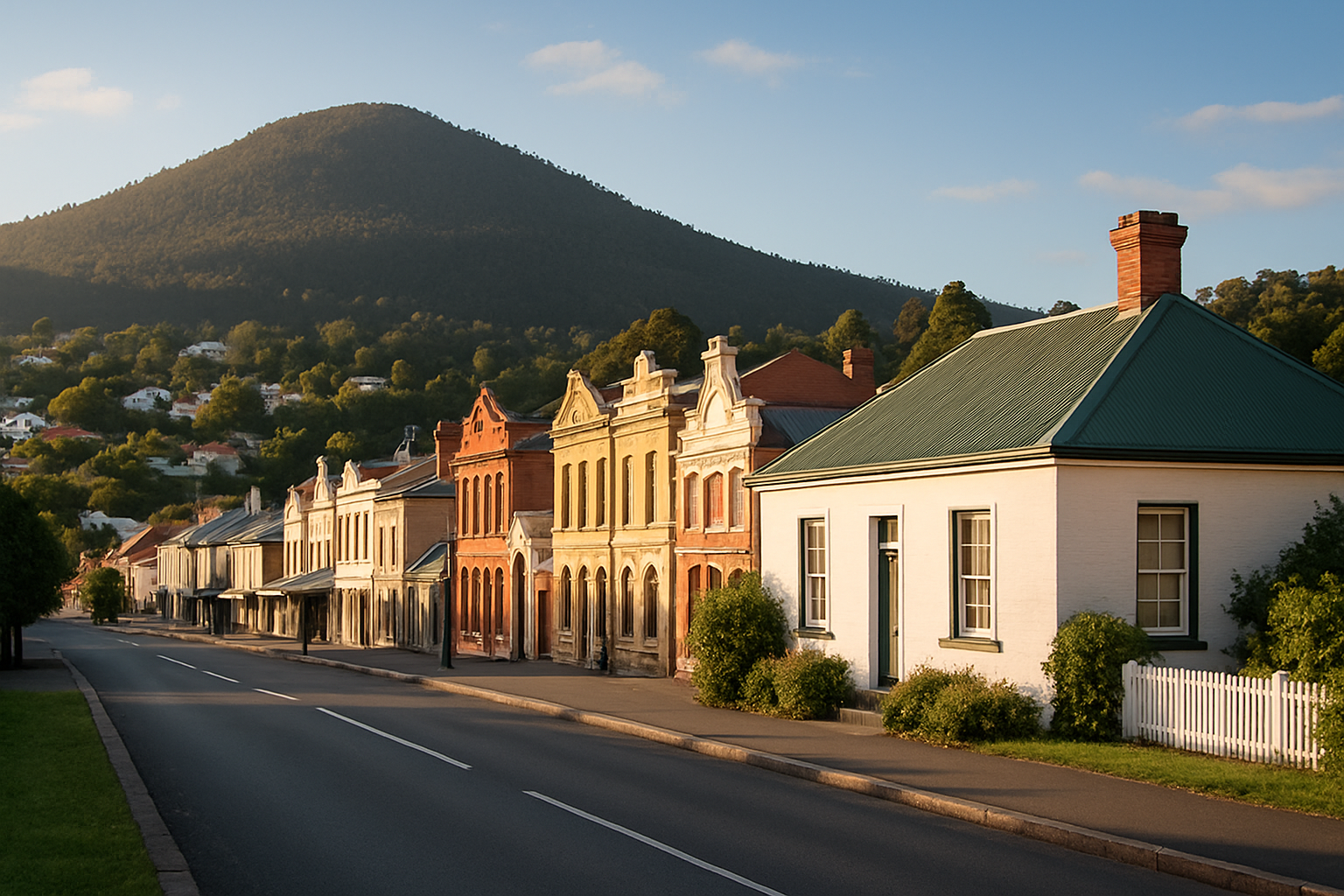
Exploring Tasmania: A Haven for Living in Small Towns
Tasmania, an island state off the southern coast of Australia, is renowned for its breathtaking landscapes, rich history, and vibrant culture. For those looking to escape the hustle and bustle of city life, Tasmania's small towns offer a unique charm and quality of life that is hard to beat. But what makes these towns the "Top 5 Small Towns To Live In Tasmania"? Let's explore.
Why Consider Living in Small Towns?
Moving to a small town has its perks: a close-knit community, lower cost of living, and unparalleled natural beauty. Unlike the traffic jams and overcrowding of big cities, small towns allow for a more laid-back lifestyle where you can enjoy more space and time. In Tasmania, these attributes are magnified by the island's pristine environment and rich cultural heritage.
Top 5 Small Towns To Live In Tasmania
While Tasmania boasts numerous charming locations, here are five towns that stand out for their lifestyle, community, and opportunities.
- Richmond
- St Helens
- Bicheno
- Huonville
- Ross
Richmond: A Town Steeped in History
Located just 25 km from Hobart, Richmond is a picturesque town famous for its well-preserved colonial architecture. Home to Australia’s oldest bridge and gaol, it offers a glimpse into Australia’s early history. With boutique shops, cafes, and a thriving arts scene, Richmond is perfect for those who appreciate history and culture.
Beyond its historic charm, Richmond provides excellent opportunities for community involvement through numerous events and festivals. The real estate market is particularly appealing, with median house prices around AUD 600,000 as of 2026, making it an attractive choice for families and retirees alike.
St Helens: The Jewel of the East Coast
St Helens is known for its stunning beaches and wonderful seafood. As the largest town on the east coast, it provides a good balance of modern comforts and natural splendour. In 2026, St Helens has become increasingly popular among those seeking an active lifestyle, offering fishing, boating, and hiking opportunities in the nearby Bay of Fires.
Recent development efforts have improved healthcare and education facilities, making it a comprehensive option for new residents. The town's economy primarily revolves around tourism and fishing, providing local employment opportunities.
Bicheno: Coastal Living at Its Best
Bicheno, located on Tasmania’s east coast, is a delightful seaside town known for its penguins and beautiful beaches. Living here feels like a permanent holiday, with snorkelling, rock climbing, and diving at your doorstep. The cost of living remains moderate despite rising interest due to tourism.
As of 2026, Bicheno continues to attract both retirees and young families, drawn by the climate, relaxed lifestyle, and community-oriented living. The local government has initiated sustainable development projects to maintain its balance of growth and ecological preservation.
Huonville: A Valley of Opportunities
Nestled in the heart of the Huon Valley, Huonville is famous for its apple orchards and fresh produce markets. It promises an idyllic lifestyle with a community-centered atmosphere. The town supports a diverse economy through agriculture, tourism, and a growing number of artisanal businesses.
Recent statistics from 2026 show a population growth of 3% per annum, driven by affordable housing and job opportunities. With its proximity to Hobart, Huonville offers both remote peace and city convenience.
Ross: Heritage Meets Comfort
Step back in time with a visit to Ross, a small town famous for its convict-era buildings and the historic "Ross Bridge." Known for its sheep farming, the town has maintained its serene charm while offering all the necessary modern comforts.
In 2026, efforts to promote eco-tourism have put Ross on the map for nature lovers, while the local government encourages community arts and crafts, further enriching its cultural landscape. Its peaceful streets and warm community feel make it an ideal destination for those seeking a quieter pace of life.
Considerations Before Making the Move
When considering a move to one of these Tasmanian small towns, it is essential to reflect on what you value most in your living environment. Consider factors such as climate, economic opportunities, healthcare, education, and connectivity.
Access to Healthcare and Education
While Tasmania excels in many areas, smaller towns might have limited healthcare options. It's advisable to research available services in advance. On the education front, many towns are connected to reputable primary and secondary schools, but university-level education might require a commute to Hobart.
The Future of Living in Tasmania's Small Towns
As of 2026, many small towns in Tasmania are seeing a transformative phase, blending heritage and innovation. Community-driven initiatives, sustainable practices, and the rising trend of remote working contribute significantly to their appeal. Whether it's for the views, the community, or the lifestyle, Tasmania's small towns are increasingly becoming preferred destinations for many Australians looking for their next home.
For more in-depth information on living in Tasmania, refer to resources like the Tourism Tasmania and Tasmanian Government websites for the latest updates and detailed guides.