Discover the Elite: The Top 7 Most Prestigious Historically Black Colleges in the USA
Explore our spotlight on the top 7 most prestigious Historically Black Colleges in the USA, where rich traditions and vibrant cultures meet academic excellence. These esteemed institutions not only celebrate African-American heritage but also provide diverse learning experiences.
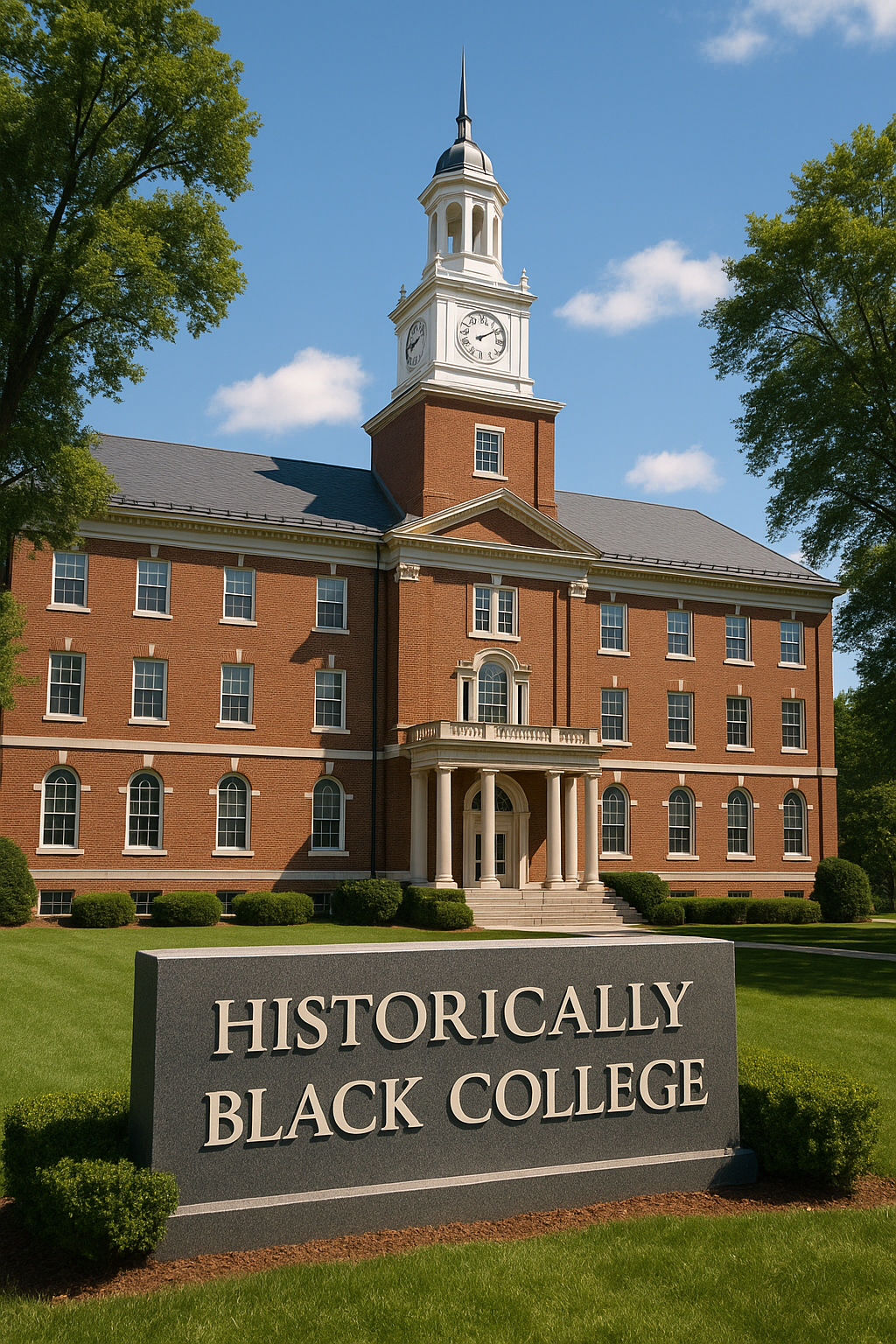
Understanding Historically Black Colleges and Universities (HBCUs)
Historically Black Colleges and Universities, known as HBCUs, are institutions of higher education that were established before the Civil Rights Act of 1964 with the intention of serving the African American community. HBCUs have played a crucial role in providing educational opportunities where options were severely limited due to segregationist practices.
These institutions boast a rich history of academic excellence and social mobility, and they have been instrumental in producing some of the nation's leaders in business, science, law, education, and civil rights. As of 2026, there are over 100 HBCUs in the United States.
The Top 7 Most Prestigious Historically Black Colleges in the USA
1. Howard University
Located in Washington, D.C., Howard University is one of the most renowned HBCUs. Established in 1867, it is known for its impressive program offerings and cutting-edge research initiatives. Howard boasts of a vivid alumni network, including figures like Thurgood Marshall, the first African American Supreme Court Justice, and Kamala Harris, the first female Vice President of the United States.
2. Morehouse College
Morehouse College in Atlanta, Georgia, is known for its deep history and commitment to producing male leaders. Established in 1867, Morehouse is a private all-male liberal arts college. Notable alumni include Dr. Martin Luther King Jr. and Samuel L. Jackson. As of 2026, Morehouse continues to rank highly for its socio-economic mobility and leadership strategies.
3. Spelman College
Also located in Atlanta, Spelman College is a private women's college established in 1881. It is consistently ranked among the top liberal arts colleges in the country. Spelman is celebrated for its nurturing environment and strong emphasis on empowering women of African descent. Notable alumni include Alice Walker, the Pulitzer Prize-winning author of "The Color Purple."
4. Hampton University
Situated in Hampton, Virginia, Hampton University is known for its architectural beauty and innovative programs. Founded in 1868, Hampton’s alumni include educators, politicians, and scientists. The university is noted for the Hampton University Proton Therapy Institute, the world's largest free-standing proton therapy cancer treatment center.
5. Fisk University
Fisk University in Nashville, Tennessee, is a historically significant institution known for its impact on African American education and culture. Established in 1866, Fisk has been home to the Fisk Jubilee Singers, who introduced 'slave songs' to the world. The university excels in research, with alumni who have been awarded the Nobel and Pulitzer Prizes.
6. North Carolina A&T State University
As a leader in engineering and agriculture, North Carolina A&T State University in Greensboro, North Carolina, holds the distinction of being the largest HBCU by enrollment as of 2026. Established in 1891, the university is celebrated for its contributions to STEM fields and its role in the Civil Rights Movement, particularly the Greensboro sit-ins.
7. Tuskegee University
Located in Tuskegee, Alabama, this university was established by Booker T. Washington in 1881. Known for its historical impact in the fields of agriculture and science, Tuskegee University is a site of national historic significance. It is also known for its Tuskegee Airmen program during World War II.
Why Choose an HBCU?
Students opt for HBCUs for numerous reasons, including a supportive community, cultural heritage, diverse environment, and a legacy of academic excellence. The National Center for Education Statistics highlights that HBCUs contribute significantly to African American bachelor's degree holders, making up 10% of all African American college graduates despite representing only 3% of higher education institutions (2026).
Academic and Social Environment
- Cultural Affinity: HBCUs provide a cultural environment that resonates with the African American experience and offers mentorship opportunities from faculty who understand the unique challenges faced by black students.
- Legacy of Success: Alumni networks are extensive and include highly recognized figures, offering students connections that can be vital in career development.
Challenges and Opportunities
While HBCUs offer numerous benefits, they also face challenges such as funding disparities compared to predominantly white institutions (PWIs). However, with shifts in societal norms and increased attention to social justice in 2026, there’s a resurgence in interest for supporting and attending these esteemed institutions.
Additionally, initiatives such as federal and private grants have been established to support STEM programs and infrastructure at HBCUs, expanding opportunities for students in crucial fields.
Conclusion
HBCUs hold a unique and vital place in American educational history and continue to thrive as institutions that cultivate change-makers and leaders. Whether through preserving culture or inspiring academic and professional excellence, these institutions remain indispensable to the educational landscape in America.
For further information on specific rankings and updates about HBCUs, institutions such as the United Negro College Fund and the Niche College Rankings provide insightful resources and data.
- Howard University – https://howard.edu
- Morehouse College – https://morehouse.edu
- Spelman College – https://spelman.edu
- Hampton University – https://hamptonu.edu
- Fisk University – https://fisk.edu
- North Carolina A&T State University – https://ncat.edu
- Tuskegee University – https://www.tuskegee.edu