Discover the Hidden Gems: Top 5 Small Towns to Live in Tasmania
Explore charming small towns where living in Tasmania becomes an enchanting dream! Our exclusive list reveals the top 5 small towns to live in Tasmania, where natural beauty meets a relaxed lifestyle.
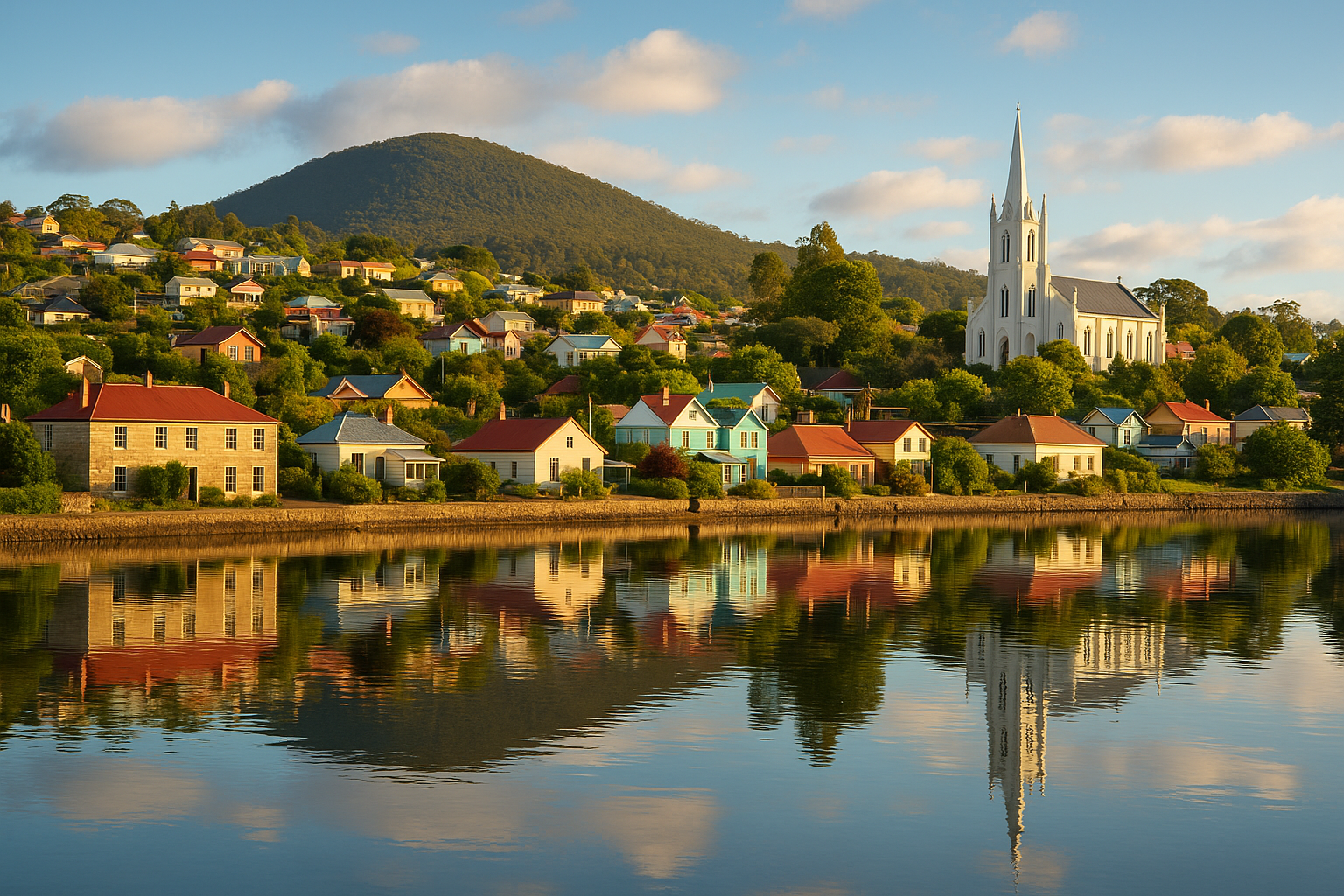
Why Consider Small Towns in Tasmania?
When looking for a change of pace, many people are drawn to the charm of small towns. Tasmania, with its scenic landscapes and rich cultural history, offers several such idyllic communities that cater to diverse lifestyles. Those considering a move must know what makes these towns appealing as places to live. Whether you're seeking tranquility, community spirit, or affordability, Tasmania's small towns have plenty to offer.
In this article, we explore the top five small towns to live in Tasmania, discussing key details and considerations for each to help you make an informed decision.
1. Richmond
The Historical Gem
Richmond, one of Tasmania’s most well-preserved historic towns, offers a blend of Georgian architecture and cozy living. Its proximity to Hobart (just a 25-minute drive) makes it appealing for those who want a peaceful retreat without being too far from city conveniences.
Key Attractions: Richmond’s significant attractions include the iconic Richmond Bridge, built by convict labor in 1825, and several vineyards producing acclaimed cool-climate wines.
Community and Lifestyle: With a population of around 1,500, Richmond fosters a close-knit community atmosphere, with events like the monthly Richmond Village Market.
Pros and Cons:
- Pros: Rich historical landmarks, vibrant local culture, proximity to Hobart.
- Cons: Limited nightlife and employment opportunities within the town itself.
2. New Norfolk
The Riverside Retreat
Located along the banks of the Derwent River, New Norfolk is renowned for its scenic beauty and historic charm. This town balances natural attractions with heritage sites, making it a compelling destination.
Key Attractions: New Norfolk hosts the renowned Agrarian Kitchen Eatery and cooking school, celebrating local produce and culinary skills.
Community and Lifestyle: With a population of around 5,500, the town offers more facilities compared to smaller villages, including antique stores, cafes, and a growing arts scene.
Pros and Cons:
- Pros: Picturesque environment, historical sites, growing culinary scene.
- Cons: Higher property prices due to its growing popularity.
3. Bicheno
The Coastal Delight
For those drawn to ocean views and seaside living, Bicheno is a top contender. Known for its pristine beaches and wildlife, this small town is perfect for outdoor enthusiasts.
Key Attractions: Bicheno offers the Bicheno Blowhole, colorful fishing harbor, and nearby access to Freycinet National Park.
Community and Lifestyle: The town has around 900 residents, fostering a relaxed lifestyle with amenities that support tourism and fishing industries.
Pros and Cons:
- Pros: Stunning coastal scenery, active outdoor lifestyle, vibrant community events like the annual Bicheno Food & Wine Festival.
- Cons: Remote location compared to larger cities, limited educational facilities.
4. Evandale
The Quaint Georgian Village
Evandale remains one of the best-preserved Georgian towns, known for its well-maintained buildings and peaceful rural setting.
Key Attractions: The town is famous for its annual National Penny Farthing Championships and a thriving local market.
Community and Lifestyle: With just over 1,300 residents, Evandale boasts a strong community spirit, making it ideal for those wanting a traditional, slower pace of life.
Pros and Cons:
- Pros: Rich in history and architecture, community activities, low crime rate.
- Cons: Limited public transport options, few employment opportunities within town limits.
5. St. Helens
The Fishing Haven
As Tasmania's largest town on the north-east coast, St. Helens is famous for its seafood and serves as the state's game fishing capital.
Key Attractions: The town provides access to beautiful beaches and is close to the Bay of Fires conservation area.
Community and Lifestyle: With a population of 2,000, St. Helens blends busy tourism with quiet residential life, offering numerous outdoor recreation options.
Pros and Cons:
- Pros: Great for fishing enthusiasts, scenic beauty, strong local services.
- Cons: Can be bustling during tourist seasons, weather can be cooler and wetter.
Considering Your Move: Factors to Evaluate
Deciding to relocate to a small town requires careful consideration of several factors. Evaluate your priorities such as proximity to work, access to healthcare and education, property availability, and cost of living.
According to recent data from the ABS, Tasmania's real estate market continues to grow, with small towns becoming increasingly attractive due to lower prices and lifestyle benefits (source: Australian Bureau of Statistics).
Importantly, visit potential new hometowns, engage with local communities, and consider short-term rentals to truly understand the environment before making a commitment.
Conclusion
Small towns in Tasmania offer an enticing combination of history, culture, and natural beauty, each presenting unique advantages that cater to different lifestyle needs. Whether it's the historical allure of Richmond, the riverside charm of New Norfolk, or the coastal zest of Bicheno, there's a little Tasmanian treasure waiting for everyone. By considering factors such as community atmosphere, lifestyle, and practical needs, you can find the perfect small town that feels just like home.
For more detailed and updated information on regional statistics and moving guides, visit resources like the Tourism Tasmania site or consult local real estate advisors (source: Tourism Tasmania).