Discover the Hidden Innovations in the 2026 Chevrolet Bolt EV
The return of the Chevrolet Bolt EV is one of the most anticipated EV launches, but the 2026 model is far more than just a simple refresh.
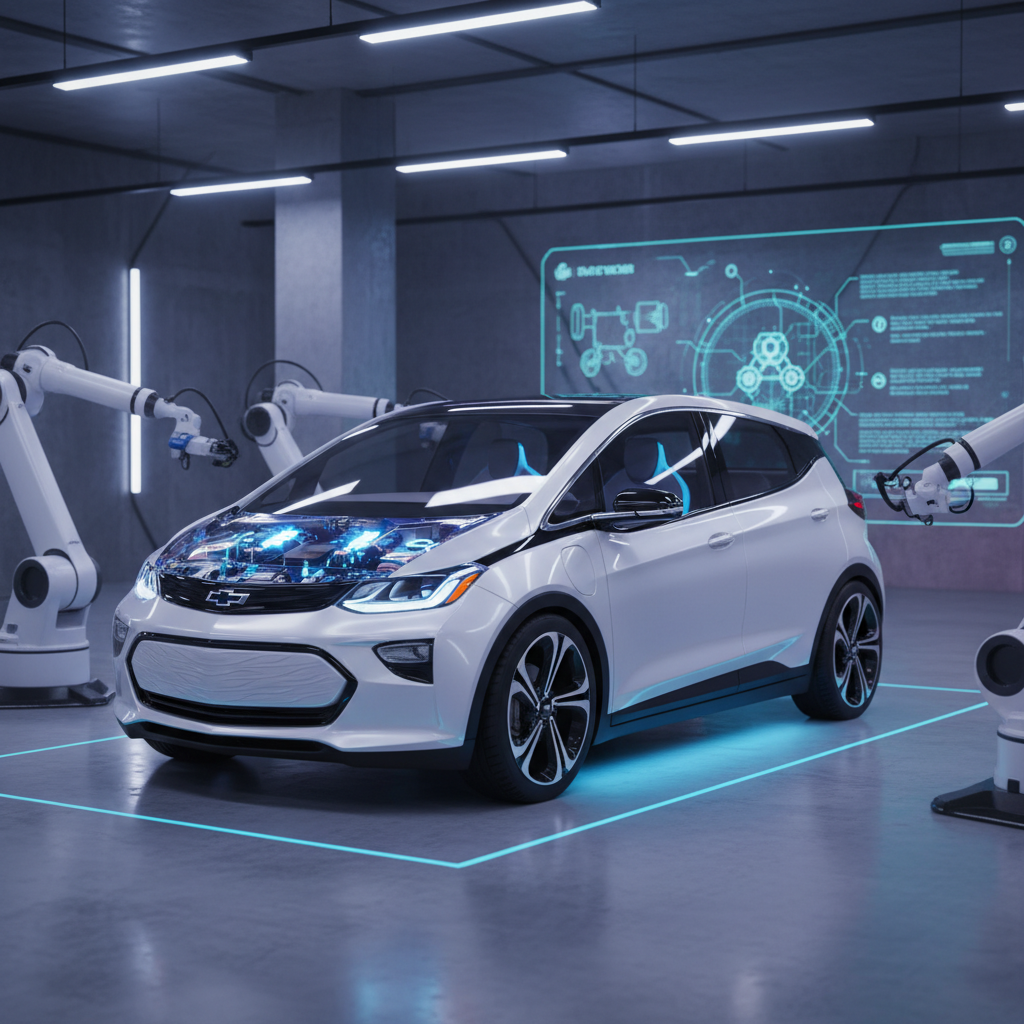
The Chevrolet Bolt EV is a nameplate that carries significant weight in the electric vehicle world. It was a trailblazer, one of the first truly affordable, long-range EVs available to the masses. After a brief hiatus and a well-publicized battery recall, General Motors is bringing the Bolt back for the 2026 model year, completely reimagined. While many are excited about its return, several key details about this next-generation model are flying under the radar. Here are some of the most important things you may not know about the upcoming 2026 Chevrolet Bolt EV.
1. It Will Use LFP Batteries for the First Time
One of the most significant, yet least understood, changes for the 2026 Bolt is its switch to a different battery chemistry. The original Bolt used a Nickel Manganese Cobalt (NMC) battery chemistry. The new version will be built with Lithium Iron Phosphate (LFP) batteries. This is a massive shift with profound implications for the vehicle's cost, longevity, and even charging characteristics. LFP batteries don't rely on costly and controversial materials like cobalt and nickel, which makes them significantly cheaper to produce. This cost saving is the primary reason GM can target an extremely competitive price point for the new Bolt.
Beyond cost, LFP batteries are known for their exceptional durability and long cycle life. They can typically endure thousands more charge and discharge cycles than NMC batteries before significant degradation occurs, meaning the battery pack should remain healthier for longer. They are also considered safer due to a more stable chemical structure that is less prone to thermal runaway. The trade-off is slightly lower energy density, meaning they can be heavier for the same amount of range, and they can experience reduced performance in very cold weather. However, GM is expected to mitigate these downsides with advanced battery management software and heating systems.
2. It’s Not a “Pure” Ultium Platform Vehicle
When GM announced the Bolt's return, many assumed it would be built on the company's flagship Ultium platform, which underpins vehicles like the Hummer EV, Cadillac Lyriq, and Blazer EV. This is only partially true. To keep development time short and costs low, GM has confirmed the new Bolt will use a hybrid approach. It will incorporate key Ultium components, such as the battery pack design, battery management software, and drive motors, but it will not be a ground-up, dedicated Ultium architecture vehicle.
This "best of both worlds" strategy allows Chevrolet to leverage the advanced technology and cost efficiencies of its latest EV programs while likely reusing some of the proven, less expensive underpinnings of the previous Bolt's BEV2 platform. This is a clever engineering shortcut that fast-tracks the vehicle to production. For the consumer, it means getting the benefits of faster charging and more efficient motors from the Ultium family, but in a package that can be manufactured and sold for much less than a larger, purpose-built Ultium EV like the Equinox EV.
3. Faster DC Charging is a Top Priority
A major criticism of the original Bolt EV and EUV was their relatively slow DC fast charging speed, which maxed out at around 55 kW. In a world where competitors were achieving charging speeds of 150 kW, 250 kW, or even higher, the Bolt felt dated. This made long-distance road trips more challenging and time-consuming than they needed to be. Chevrolet has heard this feedback loud and clear and is making it a priority to fix this shortcoming.
By incorporating Ultium technology, the 2026 Bolt is expected to feature dramatically improved DC fast charging capabilities. While official numbers haven't been released, industry experts anticipate a peak charging speed of at least 150 kW. This would be a game-changer, allowing the new Bolt to add a significant amount of range in just 15-20 minutes, bringing it in line with modern EV standards and making it a far more viable option for drivers who frequently travel long distances.
4. It Will Adopt the Design Language of Newer Chevy EVs
The first-generation Bolt had a distinctive, somewhat quirky design that made it stand out as an early EV. For its next act, expect the Bolt to adopt a more mainstream and modern aesthetic that aligns it with the rest of Chevrolet’s electric lineup. The design will likely borrow heavily from the sharp, athletic styling seen on the Equinox EV and Blazer EV.
This means we can anticipate a sleeker front end, possibly featuring a thin, full-width LED light bar, more angular body lines, and an overall more crossover-like stance. This move is intended to broaden its appeal beyond just early EV adopters to the wider car-buying public. By making it look like a member of the family, Chevrolet hopes to create a cohesive brand identity for its electric vehicles and present the Bolt not as a niche product, but as a core part of its lineup.
5. The Interior Will Be Radically Simplified for Cost
While the exterior will get a modern update, the interior philosophy is rumored to be one of radical cost-consciousness and simplification. To hit its aggressive price targets, Chevrolet will likely design a cabin that is functional and technologically modern but avoids expensive materials and complex assemblies. Expect a large, central infotainment screen to handle the majority of the vehicle's controls, similar to the approach taken by Tesla and other EV makers.
This doesn't necessarily mean the interior will be a bad place to be. Smart design can make a simple interior feel spacious and user-friendly. However, buyers should anticipate durable plastics and hard-wearing cloth seats as standard, with fewer of the soft-touch materials and premium finishes found in more expensive EVs like the Blazer EV. The focus will be on providing the essential technology and comfort features in the most cost-effective way possible.
The Bolt's Legacy and Why a Reboot Makes Sense
To understand the significance of the 2026 Bolt, it's important to look at the rollercoaster history of the original. Launched for the 2017 model year, the first Bolt EV was a landmark vehicle. It was the first non-Tesla EV to offer over 200 miles of range for under $40,000, a feat that earned it numerous awards, including the prestigious 2017 MotorTrend Car of the Year.
However, its legacy was tarnished by a massive and costly battery recall that affected every Bolt EV and EUV ever made due to a rare manufacturing defect that posed a fire risk. This recall cost General Motors nearly $2 billion and led to the temporary halt of production. For a time, it seemed the Bolt name might be retired for good. But the car had built a loyal following of owners who loved its practicality, zippy performance, and affordable entry price. GM recognized that it had a winning formula, if only it could solve the battery issue and modernize the platform. The 2026 reboot is a direct result of that recognition—an attempt to recapture the original's spirit of affordability while integrating safer, more advanced technology.
Answering Your Top Questions About the 2026 Bolt EV
Will the 2026 Bolt Qualify for the EV Tax Credit?
This is one of the most critical questions for potential buyers, and the answer appears to be a resounding yes. The Inflation Reduction Act (IRA) introduced strict new requirements for the $7,500 federal EV tax credit, including rules on battery component and critical mineral sourcing, as well as MSRP caps. GM is strategically designing the 2026 Bolt to meet these requirements head-on.
By using LFP batteries, which can be sourced more easily from North America or allied nations, and by assembling the vehicle in the United States, GM is positioning the Bolt to be fully eligible. The company has explicitly stated that affordability is the vehicle's number one mission, and securing the tax credit is a massive part of that equation. This would effectively lower the purchase price for eligible buyers, making it one of the most affordable new EVs on the market.
What’s the Difference Between the Ultium and BEV2 Platforms?
Understanding the platform distinction is key to understanding the new Bolt. The original Bolt was built on the BEV2 (Battery Electric Vehicle 2) platform. This was GM's dedicated small EV architecture developed specifically for that car. It was effective but was ultimately a standalone project with limited scalability.
The Ultium platform, on the other hand, is GM's next-generation, highly flexible EV architecture. Think of it as a set of modular building blocks—battery modules, motors, and software—that can be scaled up or down to build everything from a massive pickup truck like the Hummer EV to a luxury SUV like the Cadillac Lyriq. The key innovation is its pouch-style battery cells that can be stacked vertically or horizontally, allowing for immense flexibility in vehicle design and battery pack size.
As mentioned, the 2026 Bolt is a hybrid. It will use the "building blocks" of Ultium (the battery pack, motors, and software) but will likely place them within a heavily modified and updated version of the less expensive BEV2 chassis. This saves GM the enormous cost and time of developing an entirely new small vehicle from the ground up on the Ultium architecture, allowing them to bring an affordable EV to market much faster.
Conclusion
The 2026 Chevrolet Bolt EV is shaping up to be more than just a simple revival. It represents a strategic and pragmatic approach to building an affordable electric vehicle for the masses. By leveraging new LFP battery technology, combining the best parts of its old and new platforms, and focusing intensely on cost reduction, Chevrolet is aiming to deliver a compelling package. It addresses the key flaws of its predecessor, namely charging speed, while doubling down on its greatest strength: accessibility. The result could be a vehicle that once again redefines the entry-level EV market.