Discover the Latest Innovations in the 2026 Toyota 4Runner
The long-awaited redesign of the Toyota 4Runner is finally here, and the 2026 model is packed with significant updates. From its powerful new hybrid powertrain options and bold exterior styling to a completely modernized interior and the rugged new Trailhunter trim, there’s a lot to cover.
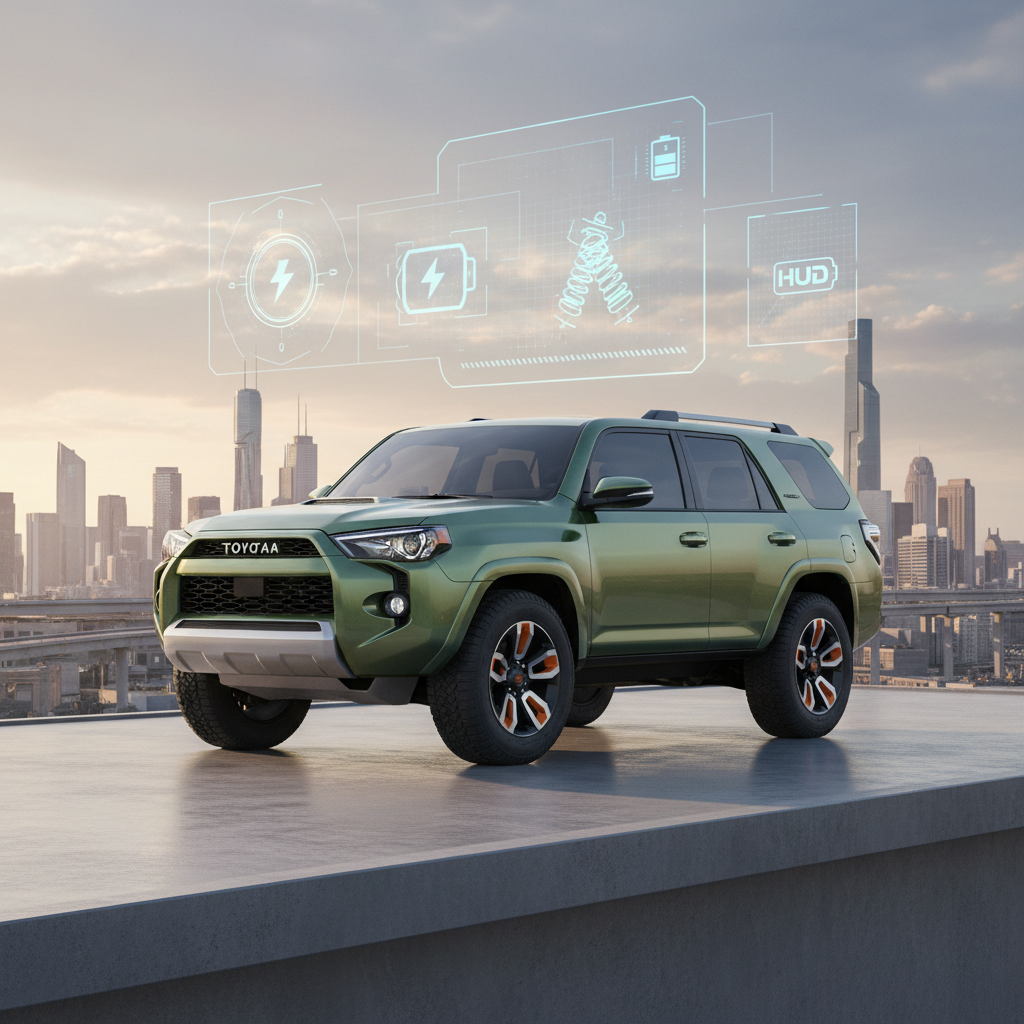
After years of anticipation, Toyota finally unveiled the completely redesigned, sixth-generation 4Runner for the 2025 model year. This marked the most significant update to the beloved SUV in over a decade. As we look ahead to the 2026 Toyota 4Runner, the expectation is that it will largely be a carryover model, building upon the groundbreaking changes introduced in 2025. Buyers can expect the same revolutionary platform, powerful new engines, and advanced technology, with potential for minor tweaks like new color palettes or refined feature packaging.
For anyone considering this legendary off-roader, understanding the core features of this new generation is key. Let's dive into the major updates that define the 2026 4Runner and separate it from its long-running predecessor.
Key Updates Defining the 2026 Toyota 4Runner
The transition from the fifth to the sixth generation was a monumental leap. Here are the foundational upgrades that new buyers will experience with the 2026 model.
1. The Modern TNGA-F Platform
Perhaps the most critical update is the move to Toyota's global body-on-frame truck platform, known as TNGA-F. This is the same robust architecture that underpins the latest Tundra, Sequoia, Tacoma, and Land Cruiser. The switch brings a host of benefits that fundamentally change how the 4Runner feels both on and off the road. The new high-strength steel-boxed frame provides a massive increase in rigidity, which translates directly into a more stable and composed ride on pavement.
This enhanced structural integrity also improves safety and provides a stronger foundation for off-road punishment. The multi-link rear coil suspension has been re-engineered to offer a better balance between rugged capability and daily-driving comfort, a common complaint of the previous generation. For the 2026 model, this platform ensures the 4Runner is tougher, safer, and more pleasant to live with than ever before.
2. Advanced Powertrain Options: i-FORCE and i-FORCE MAX
The venerable but thirsty 4.0-liter V6 engine is officially retired. In its place are two highly efficient and powerful turbocharged options. The standard engine is the i-FORCE, a 2.4-liter turbocharged four-cylinder that produces an impressive 278 horsepower and 317 lb-ft of torque. This engine, paired with an 8-speed automatic transmission, delivers significantly more torque than the old V6, making it feel more responsive during acceleration and more capable when towing or climbing steep grades.
For those seeking maximum performance, the available i-FORCE MAX hybrid powertrain is the star of the show. This system pairs the same 2.4-liter turbo engine with a 48-hp electric motor integrated into the transmission, creating a combined output of 326 horsepower and a massive 465 lb-ft of torque. This setup provides instant electric torque for incredible off-the-line acceleration and low-speed off-road control, all while promising a notable improvement in fuel economy.
3. A Complete Interior and Technology Overhaul
The cabin of the new-generation 4Runner is a world away from the dated interior of its predecessor. The design is modern and functional, drawing inspiration from its truck siblings. Depending on the trim, the 2026 4Runner features either a standard 8-inch or an available 14-inch touchscreen infotainment system. Both run Toyota's latest Audio Multimedia software, which includes wireless Apple CarPlay and Android Auto compatibility, providing seamless smartphone integration.
Drivers also get a modern digital instrument cluster, replacing the old analog gauges. The overall material quality has been improved, with more soft-touch surfaces and a rugged, durable aesthetic. Practicality remains a focus, with plenty of storage cubbies and physical buttons for crucial controls like climate and drive modes, ensuring ease of use even when wearing gloves.
4. Next-Generation Off-Road Hardware
The 4Runner's off-road prowess has been enhanced with new and improved technology. One of the most talked-about features is the available Stabilizer Bar Disconnect Mechanism. With the push of a button, this system disconnects the front stabilizer bar, dramatically increasing front wheel articulation to help the vehicle crawl over large obstacles with greater ease. This feature was previously only available in the aftermarket or on competing models like the Jeep Wrangler and Ford Bronco.
Furthermore, systems like Multi-Terrain Select (which adjusts vehicle settings for different surfaces like mud, sand, or rock) and Crawl Control (a low-speed off-road cruise control) now function in both 4WD-High and 4WD-Low, adding versatility. These electronic aids, combined with the strong new platform, make the 2026 4Runner more capable and user-friendly for both novice and expert off-roaders.
5. An Expanded and Purpose-Built Trim Lineup
The 2026 4Runner continues with a diverse trim lineup designed to cater to different buyers. In addition to popular trims like SR5, TRD Sport, TRD Off-Road, and Limited, Toyota introduced two exciting new options with the sixth generation. The first is the Trailhunter trim, which comes from the factory as a fully-equipped overlanding rig. It features specialized Old Man Emu (OME) position-sensitive shocks, 33-inch all-terrain tires, rock rails, high-strength steel skid plates, and a heritage-inspired grille with an integrated LED light bar.
At the other end of the spectrum is the new premium Platinum trim. This model elevates the 4Runner with luxury features not previously available, such as heated second-row seats, a standard head-up display, automatic rain-sensing wipers, and unique blacked-out exterior styling elements. This expanded lineup ensures there's a 4Runner for every type of adventure, from extreme rock crawling to comfortable family road trips.
A Legacy Reimagined: The Evolution of the Toyota 4Runner
The Toyota 4Runner has carved out an indelible legacy since its debut in 1984. Originally little more than a Toyota Hilux pickup with a fiberglass cap and a back seat, it quickly evolved into a dedicated SUV known for its uncompromising durability and off-road capability. Through each generation, it has maintained its body-on-frame construction, a trait that has become increasingly rare in a market saturated with car-based crossover SUVs.
The fifth generation, which ran from 2010 to 2024, became an icon in its own right. Its long production run was a testament to its "if it ain't broke, don't fix it" philosophy. It relied on a simple, robust V6 engine and a tough-as-nails chassis that earned it a massive following among off-road enthusiasts and families who valued reliability above all else. However, as the years went on, its age began to show in its poor fuel economy, dated interior, and lack of modern technology. The arrival of the sixth generation for 2025 was therefore not just an update; it was a necessary revolution to keep the legend alive for the modern era.
Answering Your Top 4Runner Questions
With such a significant redesign, potential buyers have a lot of questions. Here are answers to some of the most common ones.
How does the new 4Runner compare to the Ford Bronco?
The Ford Bronco is arguably the 4Runner's most direct competitor. Both are body-on-frame SUVs with a strong focus on off-road performance and rugged styling. The biggest difference lies in their core design philosophy. The Bronco offers a more "open-air" experience with its removable roof and doors, appealing to those who want a Jeep-like convertible feel. The 4Runner, on the other hand, remains a traditional fixed-roof SUV, which provides a quieter, more insulated cabin and better structural rigidity.
In terms of powertrain, the Bronco offers multiple turbocharged engine options, similar to the 4Runner, but the 4Runner's i-FORCE MAX hybrid stands out for its massive torque and integrated electric assistance. Off-road tech is comparable, with both offering advanced terrain management systems and stabilizer bar disconnects. Ultimately, the choice often comes down to personal preference: the versatile, open-air fun of the Bronco versus the enclosed, traditionally rugged, and famously reliable package of the 4Runner.
Is the i-FORCE MAX Hybrid Powertrain Worth the Extra Cost?
Deciding on the hybrid i-FORCE MAX powertrain depends on your priorities. The primary benefits are a significant boost in power and torque and improved fuel efficiency. The 465 lb-ft of torque is immediately noticeable, providing strong acceleration and making towing feel effortless. For off-roading, the instant torque from the electric motor is a game-changer for clearing obstacles from a standstill. The improved MPG is also a welcome benefit for a vehicle of this size.
However, this powertrain comes at a higher price and adds complexity to the vehicle. For many buyers, the standard i-FORCE turbocharged engine is more than sufficient. Its 278 horsepower and 317 lb-ft of torque are already a substantial improvement over the old V6. If you don't need the absolute maximum in performance or towing capacity, the standard engine offers a fantastic balance of power and value. But for those who want the best of everything, the i-FORCE MAX is a compelling upgrade.
Will the 2026 4Runner Still Be Reliable?
Reliability is the cornerstone of the 4Runner's reputation, and it's a valid concern with any new-generation vehicle. The good news is that the 2026 4Runner isn't built on entirely unproven technology. The TNGA-F platform and both the i-FORCE and i-FORCE MAX powertrains are already in use in other high-volume Toyota models like the Tundra and Tacoma. This means Toyota has had time to work out many of the initial kinks associated with new hardware.
While any new model can experience some early production issues, Toyota's engineering and manufacturing standards are among the highest in the industry. The core principles of durability and longevity are deeply ingrained in the 4Runner's DNA. Buyers can reasonably expect the 2026 4Runner to uphold the legendary reliability its name is known for, even with all the new technology on board.
Conclusion
The 2026 Toyota 4Runner represents the culmination of a massive engineering effort to modernize a beloved icon without losing its soul. By building on the revolutionary changes of the 2025 model, it offers a compelling package of modern power, advanced technology, and enhanced comfort, all wrapped around the legendary off-road capability that fans expect. While the fifth generation will be remembered fondly, the new 4Runner is a thoroughly contemporary vehicle equipped to carry the torch for years to come.
For more information, you can visit the official manufacturer's page or leading automotive publications: