Discover the Leading Electric Vehicle Brands in Canada
Curious about the top 10 electric vehicle brands in Canada? This insightful article explores leading electric car companies, highlighting innovative features and advancements.
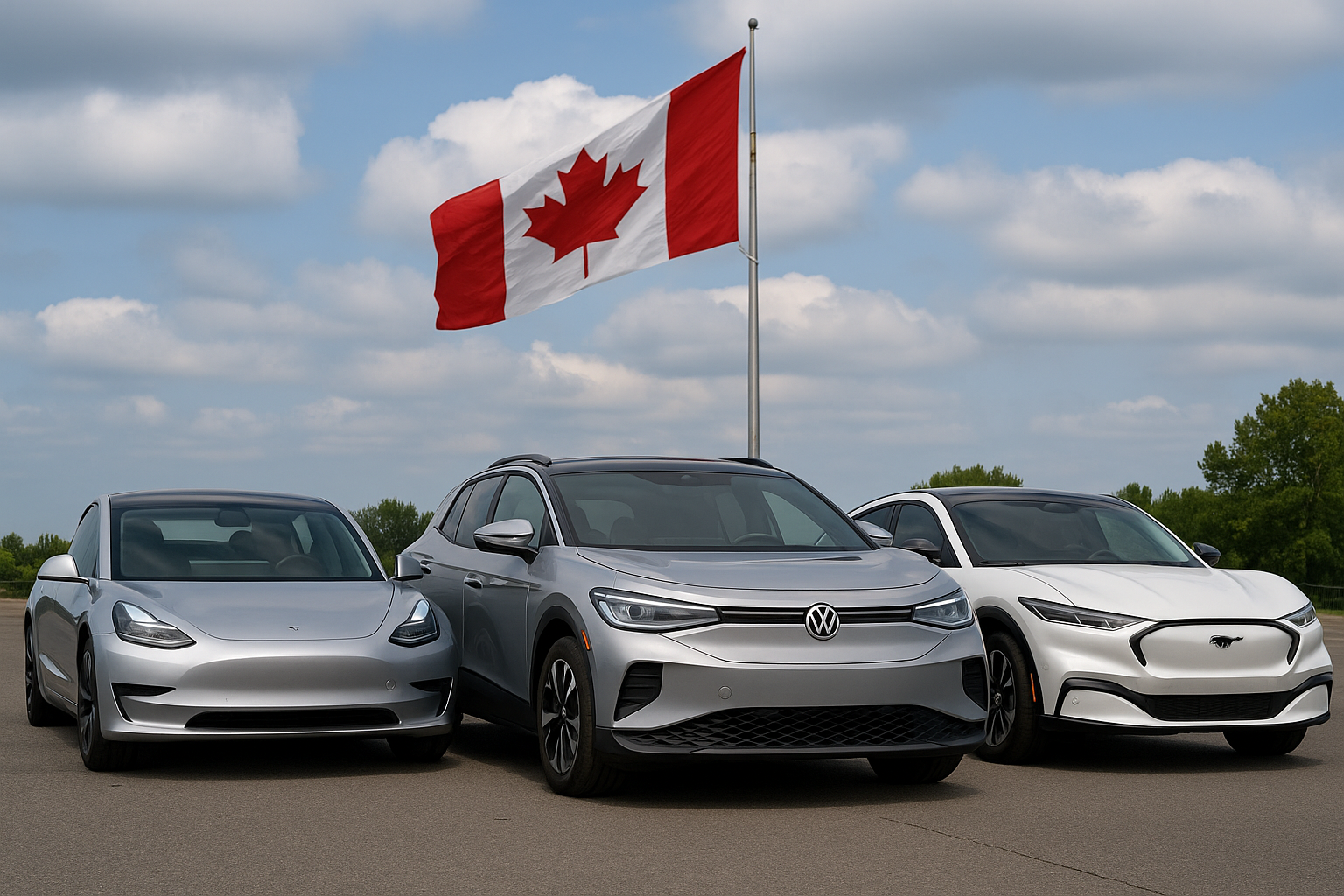
Understanding the Electric Vehicle Market in Canada
The electric vehicle (EV) market in Canada is experiencing an unprecedented boom, driven by increasing environmental awareness, government incentives, and advancements in battery technology. As of 2026, electric vehicles account for a significant portion of the automotive market, and Canadians are more inclined than ever to switch to EVs. Let's delve into the top electric vehicle brands that are shaping the Canadian EV landscape.
What Are The Top 10 Electric Vehicle Brands In Canada?
While many brands offer electric vehicles, only a few stand out as leaders in the Canadian market. Here are the top ten brands you should know about:
- Tesla
- Ford
- Chevrolet
- Nissan
- Hyundai
- Volkswagen
- BMW
- Kia
- Rivian
- Polestar
Tesla
Tesla has consistently been at the forefront of the EV revolution in Canada, thanks to its innovative technology and stylish designs. The Tesla Model 3 and Model Y are particularly popular, offering impressive range and performance. With its dedicated Supercharger network, Tesla makes long-distance travel feasible and convenient for electric vehicle owners.
Ford
Ford has cemented its place in the EV market with models like the Mustang Mach-E and the F-150 Lightning. These vehicles combine traditional automotive strength with modern electric capabilities, making them appealing to both new and loyal customers. Ford's extensive dealer network also contributes to its success in Canada.
Chevrolet
The Chevrolet Bolt and its upcoming variants signify Chevrolet's serious commitment to electric mobility. Known for their affordability and efficiency, Chevrolet's EVs are a popular choice among Canadian consumers looking for reliable and economical transportation options.
Nissan
Nissan was one of the early players in the EV market with the Nissan Leaf. Despite fierce competition, the Leaf remains a favorite for its range, affordability, and practical design. Nissan continues to innovate and expand its electric lineup in Canada.
Hyundai
Hyundai's Kona Electric and Ioniq 5 models have received critical acclaim for their design, technology, and range. Hyundai is known for offering high-quality vehicles at competitive prices, making it a strong contender in the Canadian EV market.
Volkswagen
Volkswagen's ID.4 has gained traction among Canadians due to its spaciousness, range, and robust safety features. As part of Volkswagen's commitment to a sustainable future, the company has pledged to expand its electric lineup significantly in the coming years.
BMW
BMW offers luxury and performance in its i-Series with models like the BMW i4 and iX. These vehicles offer a premium electric driving experience, appealing to those who want sophistication alongside sustainability. BMW's commitment to electrification is evident in its expansive global strategy.
Kia
Kia's EV6 is a strong competitor in the compact EV market, offering a combination of style, technology, and efficiency. Kia focuses on providing value-packed options for consumers, which has helped its popularity skyrocket among Canadian EV enthusiasts.
Rivian
As a newcomer, Rivian's R1T and R1S have captured attention with their rugged design and capabilities, especially appealing to those with an adventurous lifestyle. Despite limited availability, Rivian holds promise for its innovative approach to electric vehicles.
Polestar
Polestar, a Volvo subsidiary, presents a minimalist and eco-friendly approach with models like the Polestar 2. Known for their dedication to sustainability and innovative design, Polestar vehicles offer a unique blend of Scandinavian aesthetics and performance.
Factors Driving the Popularity of Electric Vehicles in Canada
Several factors are contributing to the increasing popularity of electric vehicles in Canada:
- Environmental Concerns: With growing awareness of climate change, more Canadians are opting for eco-friendly transportation.
- Government Incentives: Various federal and provincial incentives, such as rebates and tax credits, make EVs more accessible.
- Improved Technology: Advances in battery technology have improved the range and efficiency of electric vehicles.
- Enhanced Infrastructure: Canada is investing in charging infrastructure, making EVs more practical for everyday use.
- Aesthetic Appeal: Modern EVs offer cutting-edge design and tech features, attracting a tech-savvy consumer base.
The Future of Electric Vehicles in Canada
The future is bright for electric vehicles in Canada. According to a Statista report, the number of electric vehicles on the roads is set to rise dramatically by 2030, driven by ongoing advancements and the broader push towards zero-emission transportation. Furthermore, initiatives such as Canada's Electric Vehicle Infrastructure Demonstration Program highlight the government's commitment to creating a supportive environment for EV adoption.
Conclusion
The electric vehicle market in Canada is thriving, with several brands leading the charge. As technology continues to evolve and more people commit to reducing their carbon footprints, the popularity and accessibility of EVs will only grow. Whether you're looking for performance, luxury, or affordability, there's an electric vehicle brand in Canada that meets those needs.