Discover the Leading Electric Vehicle Brands Revolutionizing Australia
Discover the leading names when you explore the top 10 electric vehicle brands in Australia. Stay informed about the latest innovations and eco-friendly models driving the green revolution Down Under.
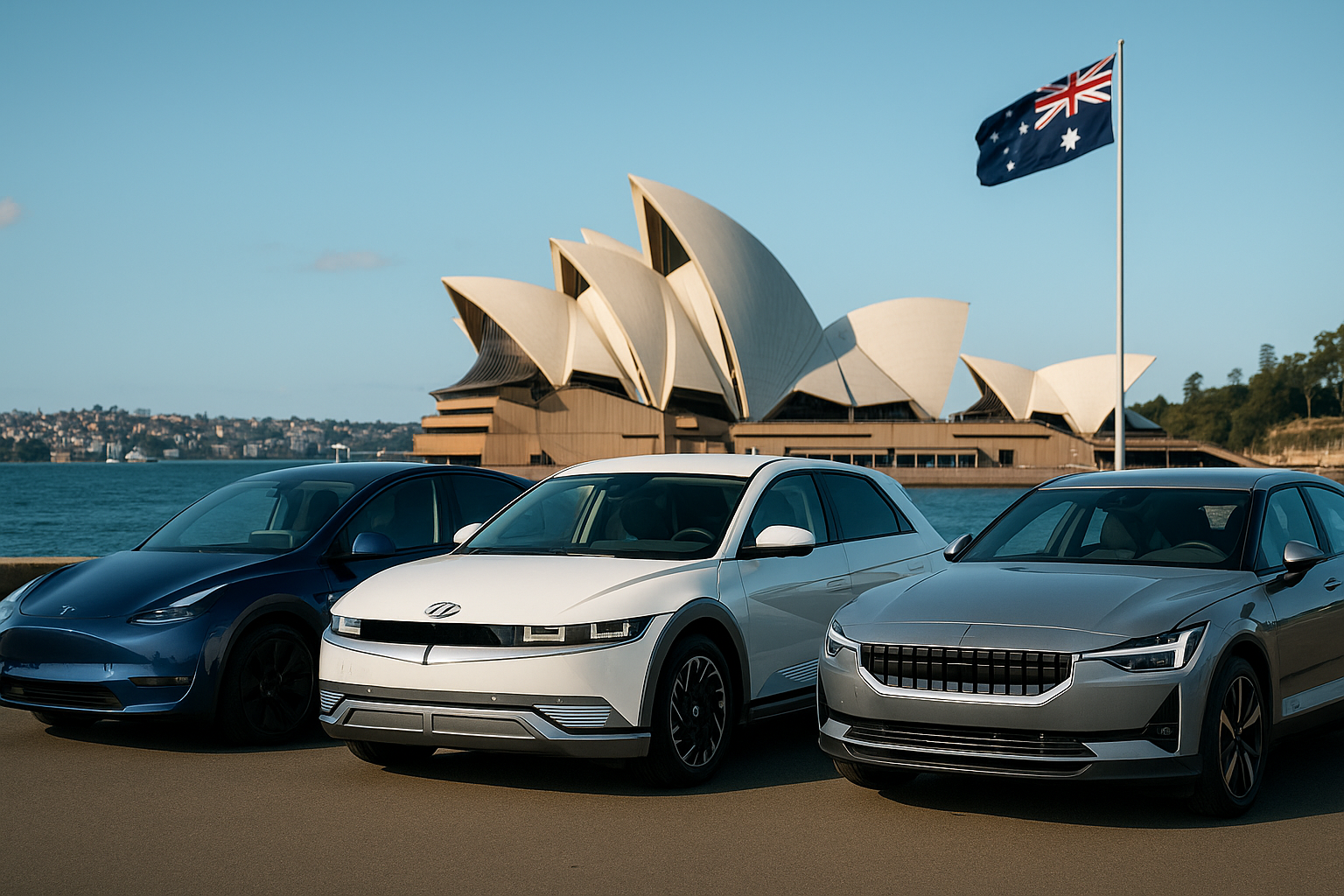
Understanding the Electric Vehicle Landscape in Australia
As the global community becomes increasingly aware of the environmental impact of fossil fuels, countries like Australia are witnessing a significant shift toward electric vehicles (EVs). The surge in EV popularity is driven by government incentives, technological advances, and a growing environmental consciousness among consumers. This article dives into the top 10 electric vehicle brands in Australia and explores the broader context of their rise.
The Top 10 Electric Vehicle Brands in Australia
As of 2026, several electric vehicle brands have become prominent in Australia. These brands cater to a diverse range of consumer needs, from luxury sedans to budget-friendly options. Let’s take a closer look at these leading players in the Australian EV market:
Tesla
Tesla remains a dominant force globally and in Australia. Known for its innovative technology and performance, Tesla offers models like the Model 3, Model S, Model X, and Model Y. According to the Australian Electric Vehicle Council's 2026 report, Tesla accounted for approximately 40% of all new electric car registrations in the country.
BYD
Chinese automaker BYD has significantly penetrated the Australian market with affordable models like the BYD Atto 3. BYD's focus on affordability and range efficiency appeals to a broad spectrum of Australian consumers, making it a key player in the EV sector.
Nissan
Nissan’s LEAF has been part of the Australian EV landscape for many years. As one of the first fully electric vehicles to be widely available, the LEAF is lauded for its reliability and intelligent features. In recent years, Nissan has expanded its presence with new models that offer enhanced range and technology.
Hyundai
Hyundai offers a diverse lineup, including the Ioniq 5 and Kona Electric, which have been well-received for their design and performance. Hyundai has established numerous charging stations across Australia, making EV commuting more convenient for users.
Kia
Kia’s EV6 has gained traction in Australia for its futuristic design and impressive range. The brand’s focus on integrating advanced features with sustainability places it among the preferred choices for Australian EV purchasers.
Volkswagen
Volkswagen is making strides with its ID range, including the ID.4 and ID. Buzz. Known for durability and engineering excellence, Volkswagen adapts its electric models to cater to the performance and lifestyle needs of Australian drivers.
MG
MG, with its MG ZS EV, has focused on providing affordable electric cars without compromising on essential features. This strategy has effectively positioned MG as a value-centric brand in the Australian market.
BMW
BMW continues to expand its electric offerings with models like the iX and i4. Combining luxury with sustainability, BMW appeals to those who seek high-end performance without environmental compromise.
Polestar
A subsidiary of Volvo, Polestar offers the Polestar 2, which is praised for its minimalist design and strong performance. Polestar is steadily capturing attention as a premium alternative for eco-conscious Australians.
Audi
Audi's e-tron series represents the brand’s commitment to a sustainable future. The e-tron offers a range of features focused on luxury and power, catering to Australia's upscale market segment.
Factors Driving the Growth of Electric Vehicles in Australia
- Government Incentives: Various federal and state-level incentives, such as rebates and tax breaks, encourage Australians to consider EVs. These initiatives aim to reduce carbon emissions and promote clean energy.
- Technological Advancements: Continuous improvements in battery technology have enhanced EV range and reduced charging times, making them more practical for everyday use.
- Environmental Awareness: With increasing information on climate change impacts, Australians are more inclined to reduce their carbon footprint, driving up EV adoption.
- Charging Infrastructure: The expansion of public charging networks has alleviated range anxiety, a common concern among potential EV buyers.
The Future of Electric Vehicles in Australia
The outlook for electric vehicles in Australia appears promising. With ongoing investments in infrastructure and supportive government policies, the market is expected to expand further over the next decade. As these enhancements align with global trends, Australia will likely see increased competition and innovation across the EV landscape.
For more information on electric vehicle trends and statistics, visit the sources like the Electric Vehicle Council and Energy.gov.au.