Discover the Legacy: Top 5 Historically Black Colleges and Universities in the USA
Discover the Top 5 Historically Black Colleges and Universities in the USA, celebrated for their rich cultural heritage and academic excellence. Learn about the unique opportunities these HBCUs offer to foster innovation and leadership.
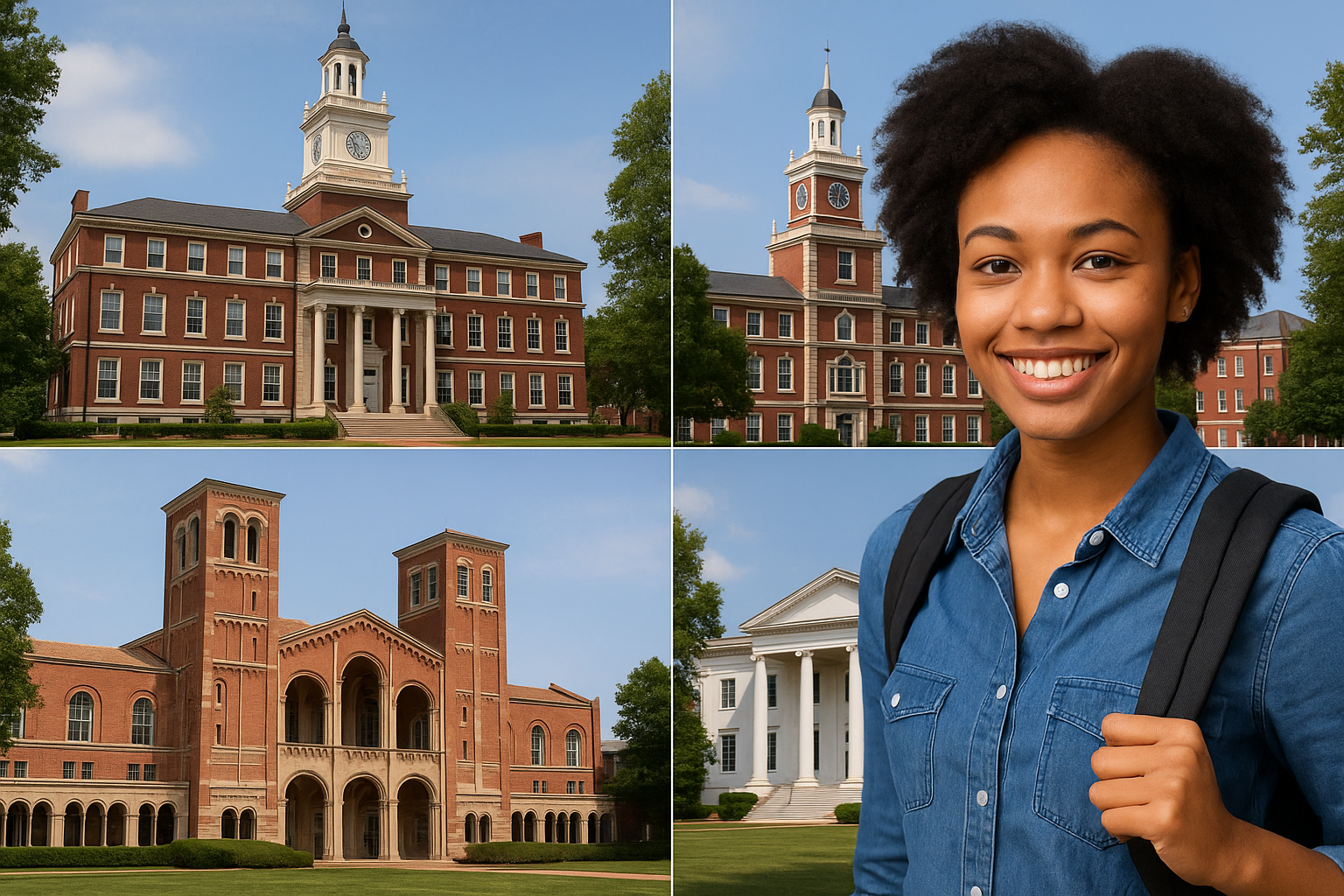
Understanding Historically Black Colleges and Universities (HBCUs)
Historically Black Colleges and Universities (HBCUs) have been a pivotal part of American education, playing a crucial role in empowering the African American community through higher education. Founded before the Civil Rights Act of 1964, these institutions were initially established primarily for African American students to provide them with opportunities for advanced learning at a time when racism and segregation were rampant.
Today, HBCUs continue to serve not just African American students but also a diverse population, offering a wide array of programs while promoting diversity, equity, and academic excellence. In 2026, there are currently 101 HBCUs in the United States, each with its unique characteristics, strengths, and contributions to society.
The Top 5 Historically Black Colleges and Universities in the USA
Choosing a college involves considering various aspects like the academic curriculum, campus culture, historical significance, and community life. Here are five HBCUs that stand out for their historical importance, academic rigor, and vibrant communities:
1. Spelman College
Spelman College, located in Atlanta, Georgia, is consistently ranked as one of the top HBCUs nationwide. It is an all-women's college committed to empowering young women of African descent.
Spelman is renowned for its rigorous academic programs across disciplines like STEM, arts, and humanities. The college boasts a robust alumnae network that provides students with mentorship and career opportunities.
- Founded: 1881
- Student Enrollment: Approximately 2,100
- Notable Alumni: Alice Walker, Marian Wright Edelman
2. Howard University
Located in Washington, D.C., Howard University is often referred to as the "Mecca" for African American culture and education. It offers a comprehensive curriculum with a global perspective.
Howard is distinguished by its contributions to research and public service. It hosts one of the leading libraries on African American history and culture.
- Founded: 1867
- Student Enrollment: Over 9,000
- Notable Alumni: Thurgood Marshall, Kamala Harris
3. Hampton University
Hampton University, based in Hampton, Virginia, combines tradition with innovation. Known for its picturesque campuses and strong emphasis on medical sciences and nursing programs, it provides a nurturing environment for students.
Research and hands-on experience are an essential part of the curriculum, preparing students for various careers.
- Founded: 1868
- Student Enrollment: Around 4,300
- Notable Alumni: Booker T. Washington, Wanda Sykes
4. Morehouse College
Morehouse College, a premier institution for men in Atlanta, Georgia, emphasizes leadership, character development, and social justice.
The college is celebrated for producing African American leaders, particularly in the fields of politics, business, and the arts.
- Founded: 1867
- Student Enrollment: Approximately 2,200
- Notable Alumni: Martin Luther King Jr., Spike Lee
5. Florida A&M University
Florida Agricultural and Mechanical University (FAMU), located in Tallahassee, Florida, is the largest HBCU by enrollment, offering a wide range of undergraduate and graduate programs.
FAMU is particularly recognized for its STEM programs and public health initiatives, fostering an environment of innovation and engagement.
- Founded: 1887
- Student Enrollment: Over 10,000
- Notable Alumni: Althea Gibson, Anika Noni Rose
Why HBCUs Are Important in 2026
In 2026, HBCUs remain significant for several reasons. They have historically provided access to higher education for African Americans and continue to enhance the social mobility of their students. HBCUs are recognized for nurturing a sense of identity and community while preparing graduates to excel in a global workplace.
HBCUs also contribute significantly to the U.S. economy. According to a study by the United Negro College Fund, HBCUs generate billions in economic impact through employment and the workforce.
The Impact of Attending an HBCU
Graduates often highlight the supportive and close-knit environment of HBCUs. The smaller class sizes lead to personal attention from faculty, and the diverse yet tight community helps students thrive.
The cultural heritage ingrained in these institutions fosters a profound sense of pride and responsibility among students, driving them to make impactful contributions in various sectors post-graduation.
Conclusion
Choosing an HBCU is not just about obtaining a degree but also about becoming a part of a historic legacy that champions equality, diversity, and excellence. These institutions provide an invaluable experience that equips students with the skills and insights necessary to lead and transform the world.
As we look towards a future of increasing diversity and inclusion, the role of HBCUs in cultivating leadership and innovation remains irreplaceable. To learn more about HBCUs and their contribution to society, resources such as the United Negro College Fund, National Association for Equal Opportunity in Higher Education, and U.S. Department of Education provide further insights and support.