Discover the Perfect Dog Breed for Your Unique Lifestyle
Finding the perfect dog breed goes way beyond looks—it's about matching a dog's personality and needs with your actual lifestyle. Whether you're an active adventurer seeking a trail partner or a relaxed homebody looking for a couch companion, the right fit makes all the difference.
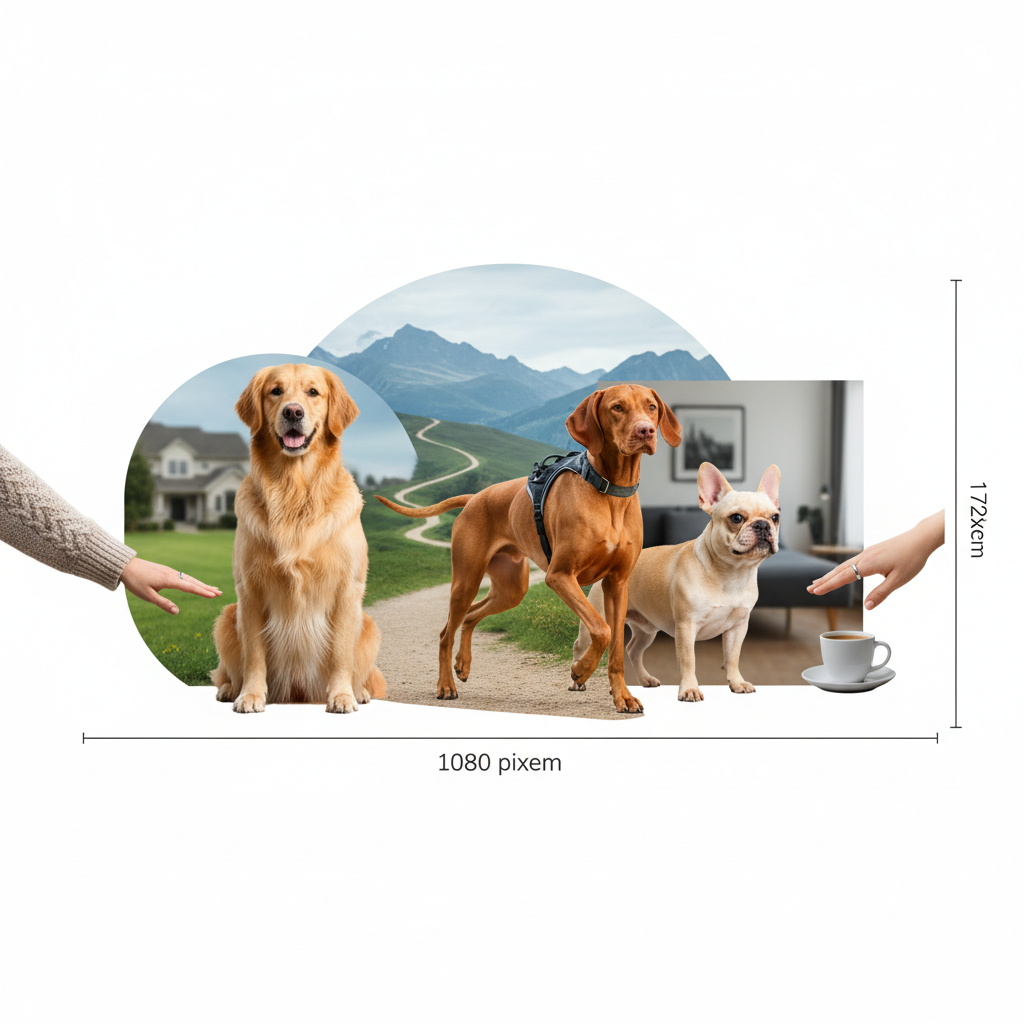
Choosing a dog is a life-changing decision, and matching a breed's temperament, energy, and needs to your own lifestyle is the single most important factor for a happy, long-term relationship. While every dog is an individual, centuries of breeding have instilled certain predictable traits in different breeds. This guide breaks down some of the best-suited breeds for a variety of common lifestyles.
For the Active Adventurer
If your weekends are spent hiking, running, or exploring the great outdoors, you need a canine companion with the stamina and enthusiasm to keep up. These breeds thrive on physical activity and mental stimulation.
Australian Shepherd
Often called "Aussies," these dogs are brilliant, energetic, and highly trainable. Originally bred for herding livestock, their intelligence and drive are legendary. An Australian Shepherd isn't content with a short walk around the block; this breed needs a job to do. They excel in dog sports like agility, flyball, and obedience trials, and they make incredible partners for long-distance runners, hikers, and anyone with a spacious, active home.
Potential owners should be prepared for a significant commitment to training and exercise. A bored Aussie can quickly become destructive, using its sharp mind to find trouble. They also have a thick double coat that requires regular grooming to prevent matting and manage shedding. For the right person, their loyalty and eagerness to please are unmatched.
Siberian Husky
Bred to pull sleds over vast, frozen landscapes, the Siberian Husky is the definition of an endurance athlete. Their striking appearance and friendly, outgoing nature make them very popular, but their needs are specific. Huskies are pack animals that love to run, and they have an innate desire to explore. This translates to a high need for daily, vigorous exercise and a secure, high-fenced yard, as they are notorious escape artists.
Huskies are generally good-natured with people and other dogs but possess a strong prey drive, which can make them unsuitable for homes with cats or other small animals. Their intelligence is often overshadowed by a stubborn, independent streak, which can make training a challenge for novice owners. They also "blow" their undercoat twice a year, resulting in massive amounts of shedding.
For the Apartment Dweller
Living in a smaller space doesn't mean you can't have a dog. The key is to choose a breed with lower energy requirements and a size that is manageable in a more compact environment. These dogs are generally content with daily walks and indoor playtime.
French Bulldog
The French Bulldog has surged in popularity for good reason. They are charming, playful, and perfectly suited for city living. Their exercise needs are minimal; a couple of short walks a day and some indoor play are usually sufficient to keep them happy. Their small, compact size makes them ideal for apartments, and their quiet nature means they are unlikely to bother the neighbors with excessive barking.
However, as a brachycephalic (flat-faced) breed, Frenchies are prone to breathing difficulties and can overheat easily in warm weather. Owners must be diligent about keeping them cool and avoiding strenuous exercise. They are also known for a range of potential health issues, so choosing a reputable breeder or rescue is paramount.
Cavalier King Charles Spaniel
If you're looking for an affectionate and gentle companion, the Cavalier is an excellent choice. This breed was bred to be a lap dog and excels at the job. They are adaptable and can be just as happy in a small apartment as in a large house, as long as they are with their people. Cavaliers are eager to please and relatively easy to train, getting along well with children, other pets, and strangers.
Their energy levels are moderate; they enjoy a good walk but are equally content to cuddle on the sofa. One of the primary considerations with this breed is their need for companionship. They form strong bonds with their families and can suffer from separation anxiety if left alone for long periods. They are also prone to certain genetic health conditions, notably heart issues.
For Families with Young Children
When bringing a dog into a home with kids, patience, sturdiness, and a gentle temperament are non-negotiable. These breeds are known for their reliability and ability to form strong, loving bonds with all family members.
Golden Retriever
The Golden Retriever is the quintessential family dog for a reason. Their patient, gentle, and friendly disposition makes them incredibly trustworthy around children. They are intelligent and highly trainable, with a deep desire to please their owners, which simplifies the training process. Goldens are also playful and energetic enough to enjoy family activities like playing fetch in the yard or going for a swim.
Their love of people means they need to be a core part of the family and should not be left isolated. They do require regular exercise to stay healthy and manage their weight, and their long coat needs consistent brushing to control shedding. A well-socialized Golden Retriever is a joyful and devoted addition to any active family.
Beagle
Beagles are merry, curious, and friendly dogs that thrive in a pack environment, making them a great fit for a busy family. Their compact, sturdy build means they can handle the sometimes-unpredictable nature of play with children. Originally bred as scent hounds, they are driven by their noses, which makes walks an exciting adventure. Their sociable nature means they usually get along well with other pets.
The Beagle's biggest challenge is its single-minded focus when on a scent, which can make recall training difficult. They require a securely fenced yard and must always be walked on a leash. They are also known for their distinctive "baying" bark, which is something potential owners should be prepared for. Their love of food means their diet must be carefully managed to prevent obesity.
For the Senior or Low-Key Household
For those seeking a calm companion without intense exercise demands, certain breeds are naturally more inclined to a relaxed pace of life. These dogs provide wonderful companionship without requiring a marathon runner's lifestyle.
Poodle (Miniature or Toy)
Often misunderstood due to their show-ring haircuts, Poodles are exceptionally intelligent and trainable dogs. The smaller varieties, like the Miniature and Toy Poodle, are perfectly suited for less active households. They are bright and learn quickly but do not have the high-energy exercise requirements of their larger Standard Poodle cousins. A daily walk and some indoor games are plenty to keep them stimulated.
One of the Poodle's biggest advantages is its hypoallergenic coat, which sheds very little. This makes them a fantastic choice for people with allergies. However, this non-shedding coat requires professional grooming every 4-6 weeks to prevent painful matting, which is a significant and lifelong expense.
Greyhound
This may seem like a surprising choice, but Greyhounds are famously known as "45-mile-per-hour couch potatoes." While they are capable of incredible bursts of speed, they are sprinters, not endurance runners. Most adult Greyhounds are perfectly content with one or two short walks per day and will spend the rest of their time snoozing peacefully on a soft surface.
Many available Greyhounds are retired racers who are already accustomed to a quiet life and are desperate for a loving home. They are gentle, sweet-natured, and surprisingly sensitive. Due to their history and thin skin, they must always be kept on a leash in unenclosed areas and may need a coat in colder weather.
Why Breed Temperament Matters More Than You Think
Understanding a dog breed's original purpose is like getting a cheat sheet for its personality and needs. For centuries, dogs were not bred for their looks but for their function. A Border Collie was developed to have the intelligence, drive, and stamina to herd sheep all day. A Bloodhound was bred to have a superior sense of smell and the tenacity to follow a trail for miles. A Jack Russell Terrier was created to be fearless and energetic enough to bolt foxes from their dens.
These ingrained traits don't simply disappear because a dog lives in a suburban home instead of on a farm. The Border Collie will try to "herd" children or other pets. The Bloodhound will be ruled by its nose on walks, ignoring your calls. The Jack Russell will have an endless supply of energy and a desire to dig. Choosing a breed whose historical purpose aligns with your lifestyle is one of the best ways to ensure a harmonious relationship. Mismatched energy levels and instincts are a leading cause of frustration for both owners and dogs.
Common Questions About Choosing a Dog Breed
What About Mixed-Breed Dogs?
Mixed-breed dogs, often found in shelters, can make wonderful pets. One of the biggest advantages of adopting a mutt is that you are saving a life. They also tend to have lower incidences of certain genetic disorders that can plague purebred lines, a concept known as "hybrid vigor." When you adopt an adult mixed-breed dog, their personality, size, and energy level are already established, so you know exactly what you're getting.
The primary challenge, especially with a puppy of unknown heritage, is unpredictability. You may not know how large they will get, what their coat will be like, or which parent breed's temperament will be dominant. However, with the rise of affordable canine DNA tests, it's now easier than ever to get a better idea of a mixed-breed dog's genetic makeup, which can offer valuable insights into their potential health and behavior traits.
How Much Does a Purebred Dog Really Cost?
The initial purchase price of a purebred puppy from a reputable breeder is only the beginning of the financial commitment. That initial cost, which can range from a few hundred to several thousand dollars, covers the breeder's expenses for health screening the parents, vet care for the mother and puppies, high-quality food, and proper socialization. After you bring your dog home, you must budget for a lifetime of expenses.
These costs include routine veterinary care (vaccines, check-ups, flea/tick prevention), high-quality dog food, grooming (especially for breeds like Poodles), training classes, boarding or pet-sitting, toys, and supplies like leashes and beds. Furthermore, you must be prepared for unexpected emergency vet bills, which can easily run into thousands of dollars. Pet insurance is an increasingly popular option to help manage these unforeseen costs.
Conclusion
Finding the right dog breed is less about which dog is "best" and more about which dog is best for you. By honestly assessing your activity level, living situation, family structure, and the amount of time you can dedicate to training and grooming, you set yourself and your future pet up for success. Whether you choose a high-energy adventurer, a cuddly apartment companion, or a gentle family dog, the perfect canine partner is out there waiting to fit seamlessly into your life.
For more detailed information on specific breeds and their characteristics, you can visit these reputable resources: