Discover the Standout Features of the Kia Tasman
Kia's highly anticipated Tasman ute is set to shake up the market, and its special features are the main reason why. If you're wondering what truly sets this truck apart from its rivals, you've come to the right place.
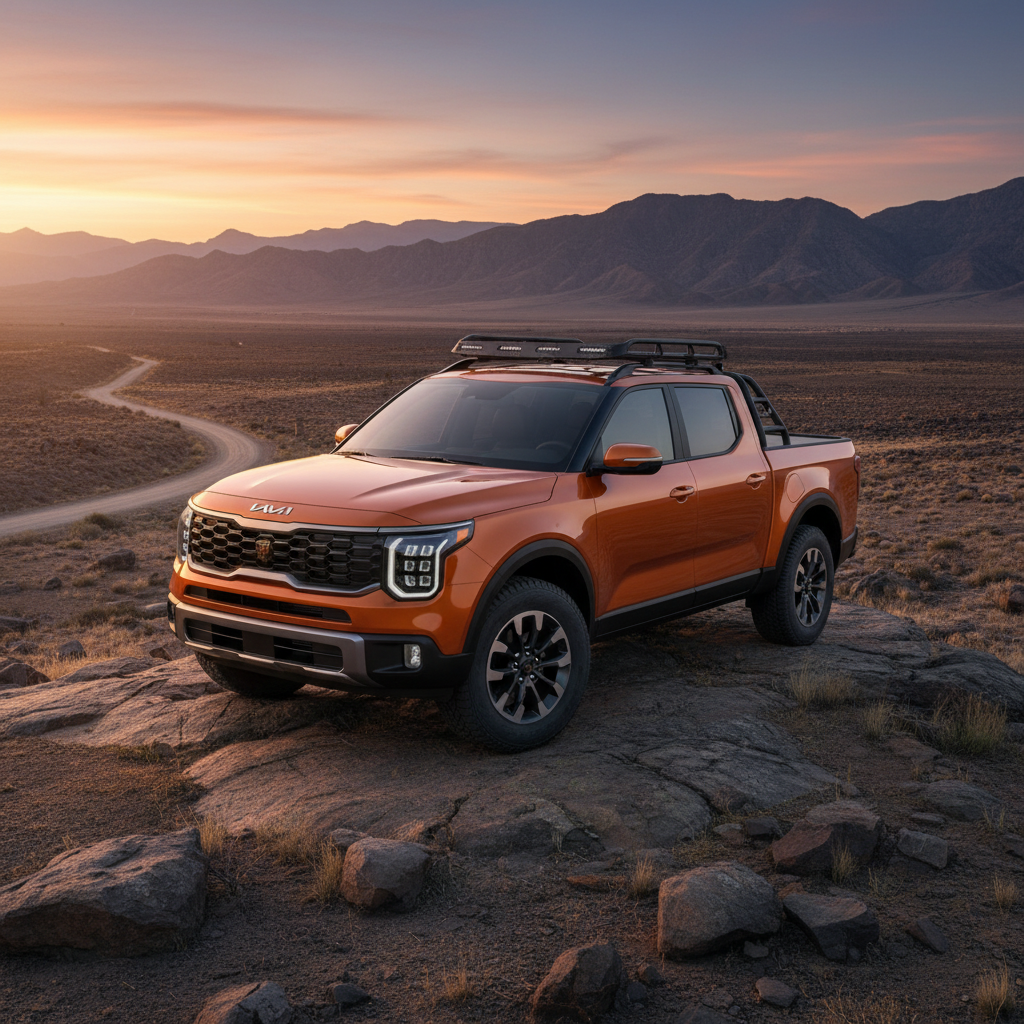
1. Rugged Body-on-Frame Architecture
Perhaps the most critical feature defining the Kia Tasman as a serious contender is its body-on-frame construction. Unlike unibody vehicles (like Kia's own Santa Cruz or most SUVs) where the body and frame are a single piece, the Tasman uses a traditional truck design. This means a strong, ladder-like steel frame serves as the chassis, and the cab and cargo bed are mounted on top of it. This fundamental design choice is a clear signal that Kia is not building a casual "lifestyle" vehicle but a genuine workhorse.
The benefits of this architecture are immense for a pickup truck. It provides superior torsional rigidity, which is essential for handling heavy loads and towing significant weight without flexing or compromising stability. This separation of the body from the frame also makes the vehicle more durable and resilient for off-road use, as the chassis can absorb the harsh impacts from rocks and uneven terrain, isolating the cabin from much of the stress. Furthermore, in the event of damage, repairing a body-on-frame vehicle can often be simpler and less costly than fixing a compromised unibody structure.
2. Powerful and Efficient Turbo-Diesel Powertrain
At the heart of the Kia Tasman, especially for its primary global markets, is a robust powertrain engineered for torque and reliability. While multiple options may eventually be available, the initial launch is expected to heavily feature a 2.2-liter four-cylinder turbo-diesel engine. This engine, a proven unit from the Hyundai-Kia family, is being specifically tuned for the demands of a pickup truck. It’s engineered to deliver strong low-end torque, which is crucial for getting a heavy load moving and for confident towing up steep grades.
The choice of a diesel engine is strategic and speaks to the Tasman's target audience. Diesel engines are renowned for their fuel efficiency, especially when carrying a payload or towing a trailer, offering a longer range between fill-ups. This powertrain is expected to be paired with a smooth and responsive eight-speed automatic transmission, providing a good balance of power delivery and highway cruising comfort. This combination ensures the Tasman can function as a capable work vehicle during the week and a comfortable family hauler on the weekend.
3. Bold and Unmistakable 'Path of the Bold' Design
The Kia Tasman refuses to blend in. Its design is a direct reflection of Kia's "Opposites United" design philosophy, specifically the "Path of the Bold" pillar. The truck features a distinctly boxy, upright, and muscular silhouette that projects strength and capability. From the imposing front grille and vertical headlight orientation to the squared-off wheel arches and functional, no-nonsense tailgate, every element is designed to look tough and purposeful. This is a deliberate departure from the more rounded, aerodynamic shapes seen on some competitors.
This bold aesthetic is more than just for show; it serves a functional purpose while also making a strong style statement. The high bonnet and commanding presence give the driver excellent visibility and a sense of security. The design clearly aims to capture the attention of buyers who want their truck to look as capable as it is. By creating such a visually distinct product, Kia is ensuring the Tasman will be immediately recognizable on the road, carving out its own identity in a crowded market.
4. A Modern, Tech-Forward Interior
While the exterior is all about ruggedness, the interior of the Kia Tasman is expected to deliver the modern technology and comfort that the brand is now famous for. Breaking from the purely utilitarian cabins of some traditional trucks, the Tasman will likely feature a sophisticated and driver-focused cockpit. Speculation points towards a large, integrated digital display, possibly combining a digital instrument cluster and a wide central infotainment touchscreen. This setup would offer seamless access to navigation, entertainment, and vehicle settings, complete with wireless Apple CarPlay and Android Auto.
Beyond the screens, expect a focus on high-quality materials, ergonomic design, and smart storage solutions. Kia understands that modern truck owners use their vehicles for everything from commuting to family road trips. Therefore, the Tasman's cabin will likely include comfortable and supportive seating, advanced driver-assistance systems (ADAS) for enhanced safety, and numerous creature comforts that make long journeys more pleasant. This car-like interior will be a major selling point against competitors with more dated cabin designs.
5. Impressive Towing and Payload Capabilities
A pickup truck is ultimately measured by its ability to do work, and the Kia Tasman is being engineered to meet the highest standards of the segment. The target figures that have been widely reported are a towing capacity of 3,500 kg (approximately 7,700 lbs) and a payload capacity of around 1,000 kg (approximately 2,200 lbs). These numbers put the Tasman in direct competition with the global leaders like the Toyota Hilux and Ford Ranger.
Achieving these targets means the Tasman will be able to handle a wide range of tasks, from towing a large boat or caravan to hauling heavy tools and materials to a job site. The practicality extends to the cargo bed itself, which is expected to be thoughtfully designed with features like integrated tie-down points, durable bed lining options, and potentially an onboard power outlet for charging tools or running equipment. This focus on real-world utility is central to the Tasman's appeal.