Discover the Top 10 Electric Vehicle Brands in the USA for 2023
Curious about the leading electric vehicle brands revolutionizing the roads in the USA? Discover the top contenders vying for your attention! In our comprehensive guide, we explore the top 10 electric vehicle brands making a mark with cutting-edge technology and sustainable innovations.
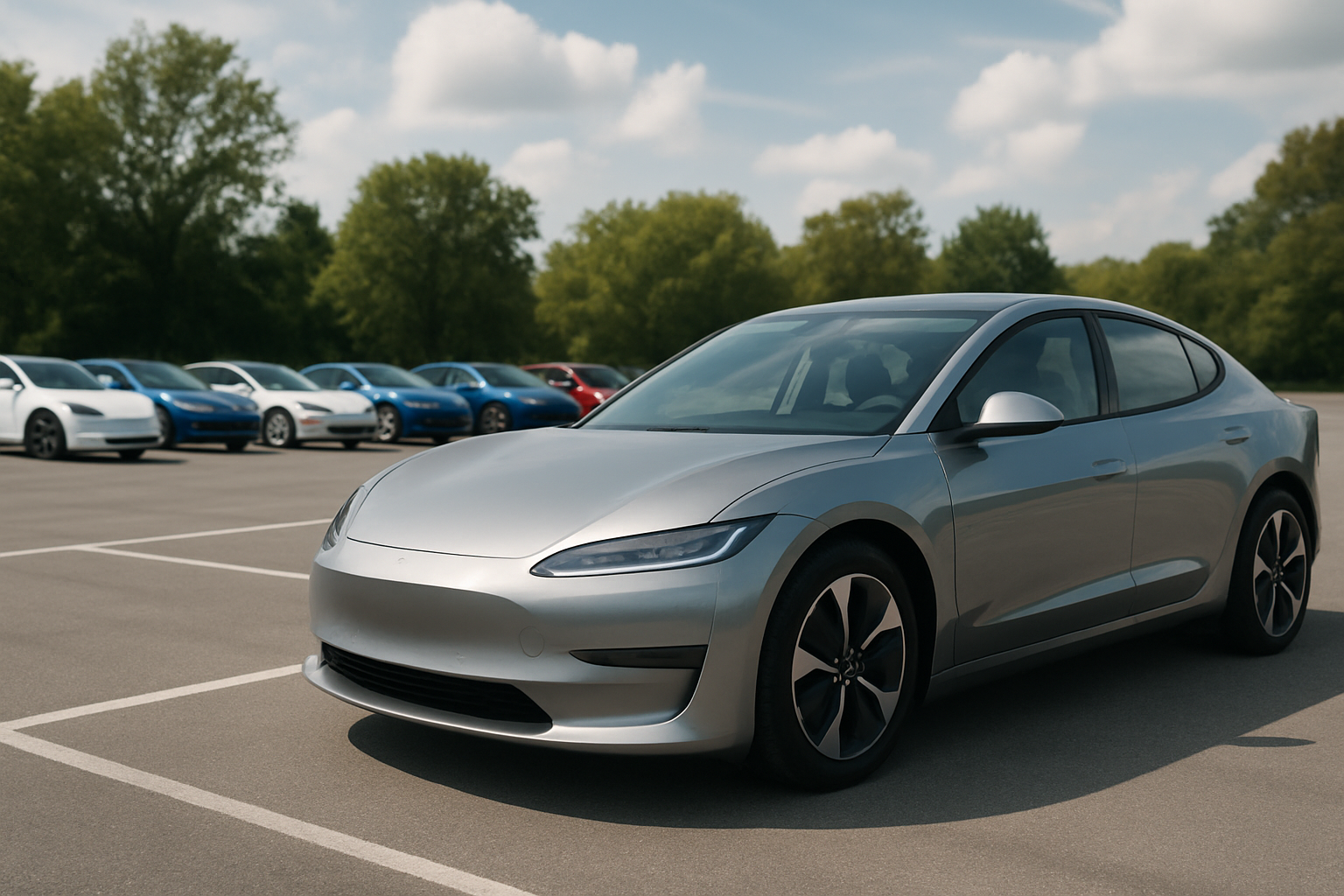
Understanding the Electric Vehicle Market in the USA
The electric vehicle (EV) market in the United States is rapidly evolving, with a multitude of innovative options now available to consumers. Since the 2020s, there has been a sharp increase in both the variety and number of electric cars, driven by technological advancements and an urgent push towards sustainability. Consumer interest is fueled by environmental concerns and the growing infrastructure for EVs, including charging stations and government incentives.
According to recent reports from 2026, electric car sales now account for approximately 15% of all new car sales in the U.S., up from just 2.2% in 2018. This surge is expected to continue, with ambitious targets for electric adoption set by both state and federal governments. Let's explore the top 10 electric vehicle brands leading this charge in the U.S. market.
Top 10 Electric Vehicle Brands in the USA
Tesla
Tesla remains the dominant force in the U.S. electric vehicle market, continuously pushing the envelope with cutting-edge technology and design. Its popular models, such as the Model 3, Model Y, and the luxurious Model S, cater to a wide range of consumers, from those seeking affordability to others desiring a premium driving experience.
- Innovations: Tesla is known for its Autopilot features, over-the-air updates, and extensive Supercharger network.
- Market Share: As of 2026, Tesla holds approximately 40% of the U.S. market share in EVs, maintaining its position as a trendsetter (source: Statista).
Ford
With the introduction of the Mustang Mach-E and the all-electric F-150 Lightning, Ford has solidified its status as a major player in the EV space. These models have been well-received for combining Ford’s legacy of automotive excellence with modern, clean energy efficiency.
- Highlights: The F-150 Lightning, notable for its work-truck capabilities and range versatility, redefines possibilities for electric trucks.
- Sustainability Goals: Ford plans a 50% all-electric lineup by 2030, highlighting its commitment to an electric future (source: Ford Media Center).
Chevrolet
Chevrolet has been a forefront runner with its Bolt EV and Bolt EUV models, designed to offer affordable entry points into electric vehicle ownership. In 2026, Chevrolet's continued enhancements to battery life and charging speed keep it as an appealing choice for many drivers.
- Affordability: Known for bringing one of the most price-accessible EVs to the market without sacrificing range or safety.
- Range Improvements: Recent updates have increased travel range to over 250 miles per charge (source: Chevrolet).
Rivian
Rivian specializes in rugged electric trucks and SUVs, capturing the adventurous spirit of many Americans. Its R1T truck and R1S SUV have grabbed attention for their impressive off-road capabilities and unique features such as a gear tunnel for extra storage.
- Features: Equipped with quad-motor systems for precise control and multiple drive modes tailored for different terrains.
- Vision: Focused on sustainable adventure, Rivian is working on establishing its charging network across national parks.
Lucid Motors
Lucid Motors is appealing to the luxury segment with its Air model, which boasts extraordinary range and performance. The Lucid Air is considered a direct competitor to Tesla's high-end offerings, featuring a spacious, plush interior and cutting-edge technology.
- Performance: Offers unprecedented range of over 500 miles on a single charge, setting a new industry benchmark (source: Lucid Motors).
- Design: Known for its near-silent ride and futuristic design elements.
Emerging Players and Trends in the USA EV Market
Growing Infrastructure Support
As electric vehicles become more mainstream, infrastructure support is crucial for their adoption. The Federal Infrastructure Investment and Jobs Act committed billions towards expanding the U.S. EV charging network, aiming for 500,000 electric vehicle chargers across the nation by 2030 (source: U.S. Department of Transportation).
Government Incentives
Government incentives continue to play a significant role in enhancing electric vehicle adoption. Federal tax credits, state-level rebates, and incentives for installing home charging stations make owning an EV more economically feasible, contributing to their rising popularity.
Technological Advancements
Technology is a major driving force behind the growth of electric vehicles. Improvements in battery technology are continually increasing range and reducing charging time, while advancements in vehicle software offer better user interfaces and autonomous capabilities.
The Future of Electric Vehicles in America
The electric vehicle industry in the United States is poised for significant growth in the coming years, as the country moves towards a more sustainable and efficient transportation ecosystem. With continued investments in technology, infrastructure, and supportive policy environments, it's inevitable that more brands will step into the spotlight, further transforming the American automotive landscape. The road ahead is electrifying, offering exciting developments for consumers and manufacturers alike.