Discover the Top 10 Historically Black Colleges in the United States
Explore the rich legacy and vibrant campus life at the top historically black colleges in the USA! From fostering academic excellence to cultural empowerment, these esteemed institutions have shaped leaders across fields.
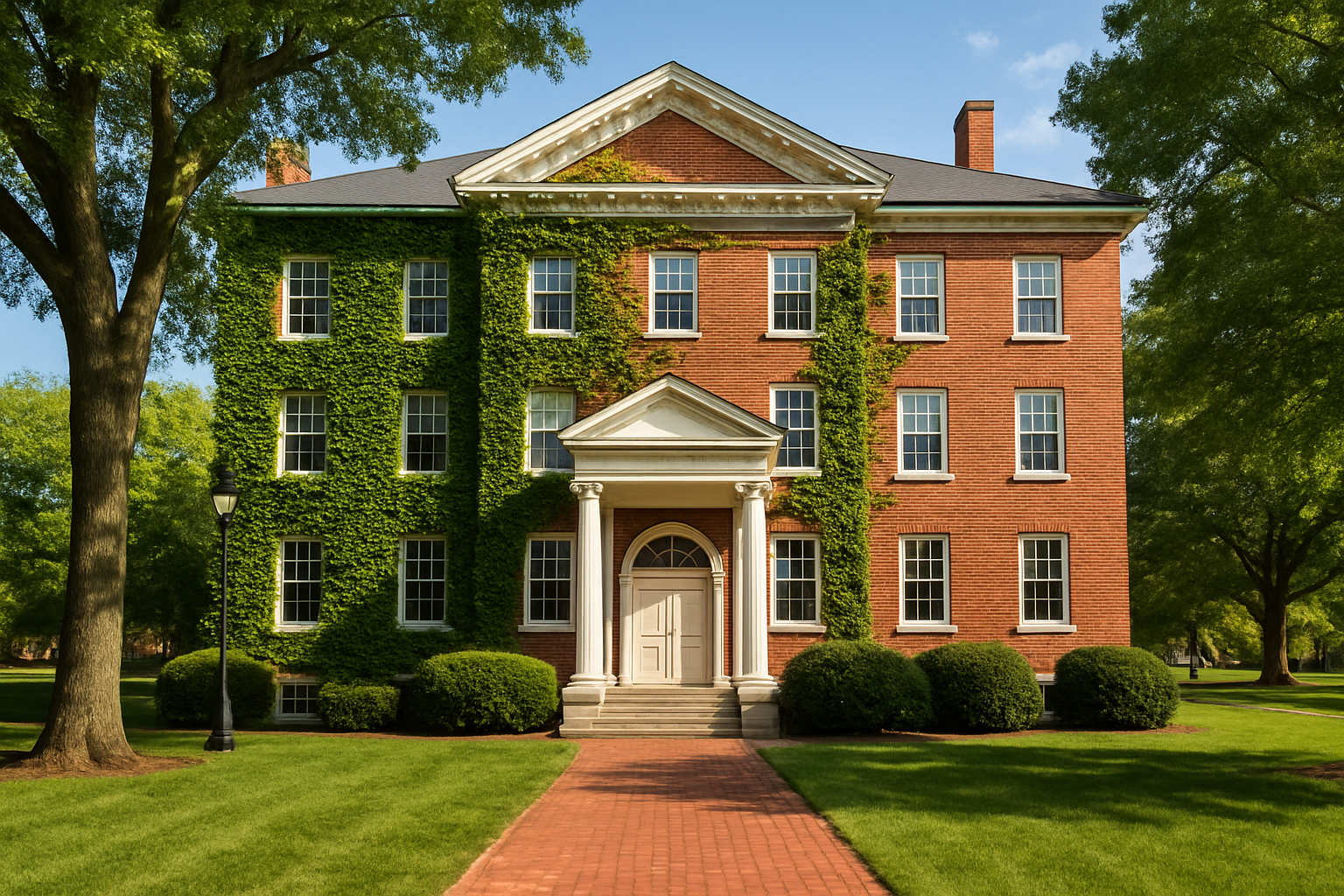
The Importance of Historically Black Colleges and Universities (HBCUs)
Historically Black Colleges and Universities (HBCUs) hold a significant place in the fabric of American education and culture. Established primarily during the segregation era, these institutions were created to provide Black Americans with access to higher education. Today, they continue to play a crucial role in fostering academic excellence, nurturing cultural development, and producing talented graduates across various fields.
The Historical Context of HBCUs
The inception of HBCUs dates back to the mid-19th century, with institutions like Cheyney University of Pennsylvania (1837) and Lincoln University of Pennsylvania (1854) marking the beginning of a dedicated educational space for Black Americans. The proliferation of HBCUs gained momentum after the Civil War, particularly with the establishment of land-grant universities through the Second Morrill Act of 1890, which required states to establish separate colleges for Black students if they were to receive federal funding.
Understanding Their Impact
Cultural Contribution and Community Impact
HBCUs are not just educational institutions; they are cultural and social benchmarks within their communities. They have produced a substantial number of Black professionals, leaders, and activists who have contributed significantly to various sectors. From Dr. Martin Luther King Jr. to Vice President Kamala Harris, HBCU graduates have been at the forefront of progress in the U.S.
Economic Contributions
A recent report from 2025 highlights that HBCUs collectively generate more than $14 billion annually in economic impact and are directly responsible for creating over 134,000 jobs in their local and state economies. These institutions serve as pivotal economic engines within their communities (Southern Education Foundation, 2025).
Top 10 Historically Black Colleges in the USA
Let's explore the top 10 HBCUs based on various factors such as academic performance, alumni success, and social impact in 2026:
- Howard University - Located in Washington, D.C., Howard is renowned for its diverse programs and prestigious alumni network.
- Spelman College - As one of the nation's top liberal arts colleges, Spelman in Atlanta, Georgia, is recognized for its academic excellence.
- Morehouse College - Known for grooming Black male leaders, this Atlanta-based institution boasts an impressive array of programs.
- Xavier University of Louisiana - This New Orleans school is known for producing more African American MDs than any other higher education institution.
- Hampton University - Located in Hampton, Virginia, the university is celebrated for its strong curriculum and research opportunities.
- Florida A&M University - One of the largest and most prestigious HBCUs located in Tallahassee, Florida, FAMU has a rich tradition in agricultural study.
- North Carolina A&T State University - As the largest HBCU in the nation, this university is noted for its engineering and business programs.
- Albany State University - This Georgia-based university provides outstanding nursing and education programs.
- Tuskegee University - Known for its achievements in engineering and agriculture, Tuskegee in Alabama is an icon in the HBCU landscape.
- Clark Atlanta University - Located at the center of Atlanta, Georgia, CAU offers robust programs in business and social sciences.
Challenges Faced by HBCUs
Funding and Resources
A significant challenge HBCUs face is obtaining sufficient funding. Despite their historical and cultural significance, many HBCUs operate with limited financial resources compared to predominantly white institutions (PWIs). This often affects infrastructure development, research opportunities, and scholarship availability.
Enrollment and Retention
Although many HBCUs have seen a resurgence in enrollment numbers, retention remains a challenge due to factors such as financial barriers and limited access to advanced degree programs. Efforts are ongoing to enhance student support services and create online degree programs to widen access and assist in studying and reducing costs (The Journal of Blacks in Higher Education, 2026).
The Future of HBCUs
Looking ahead, HBCUs continue to innovate and adapt to changing educational demands. Initiatives such as online education programs, partnerships with corporations, and increased focus on STEM fields ensure that these institutions remain competitive and relevant in an ever-evolving educational landscape.
Emerging Opportunities
The rise of online learning platforms and technology integration within curricula has opened new avenues for HBCUs. These technologies provide greater access and flexible learning opportunities, which are critical for attracting non-traditional and international students.
Conclusion
Historically Black Colleges and Universities are a vital component of the American higher education system, providing not just education but leadership, cultural identity, and social progress. Despite challenges, their influence is undeniable, and their role in shaping future leaders remains ever crucial.