Discover the Top 10 Nutritious Foods to Keep Your Cat Healthy and Happy
🐱 Discover the top 10 best foods for cats that your feline friends will love! While preferences vary, these options are sure to delight with their quality and nutrition. From succulent wet food to crunchy kibble, see which foods might suit your kitty's tastes and dietary needs.
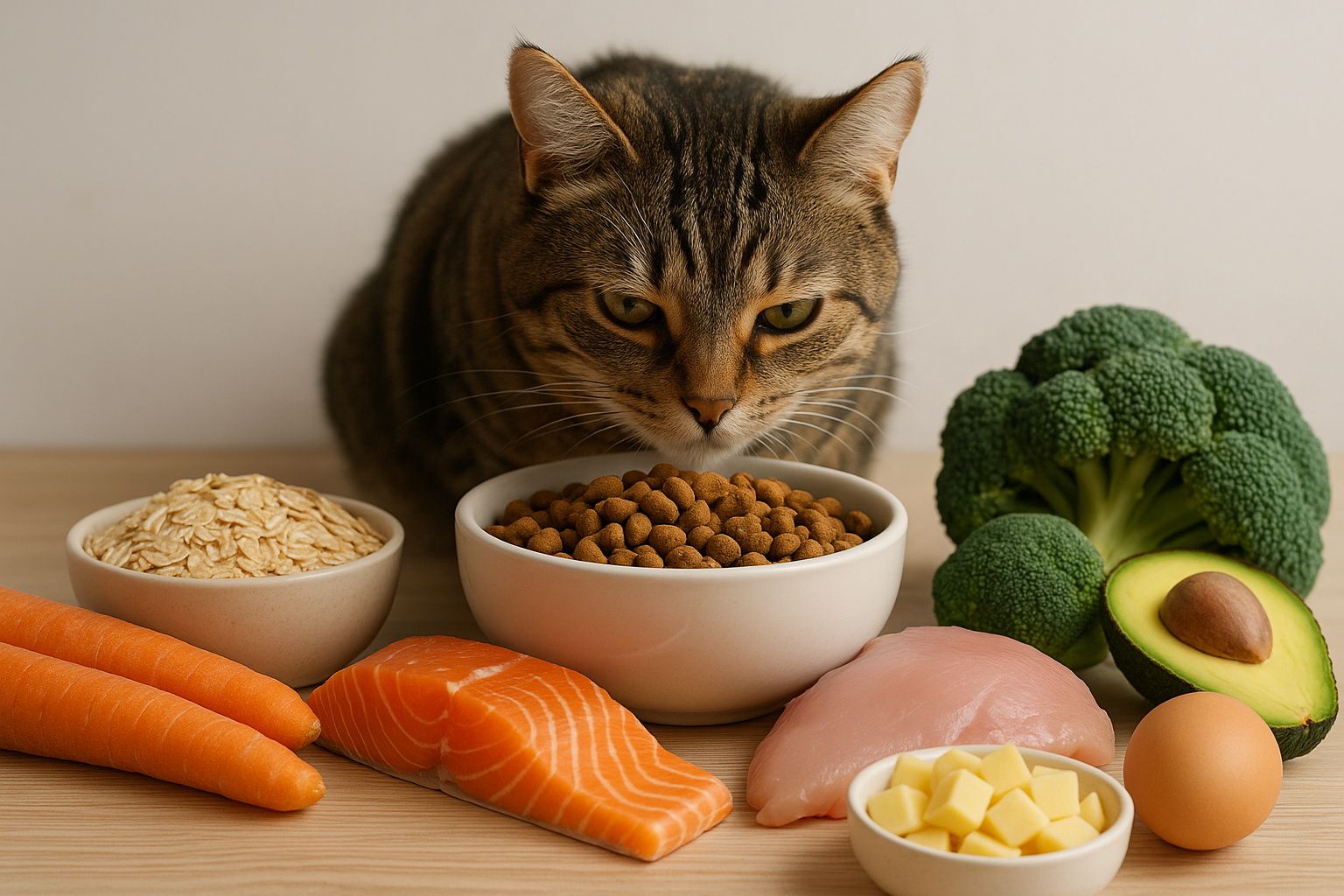
Understanding Cat Nutrition: What Makes a Food the "Best"?
Choosing the best food for your cat can feel overwhelming with so many options available. However, understanding what constitutes a quality cat diet can help you make more informed decisions. The right food can impact your cat's energy levels, coat health, and even lifespan. Let's delve into the factors that make certain foods stand out and how they contribute to your feline friend's overall well-being.
Essential Nutrients for Cats
Cats are obligate carnivores, meaning their diet primarily needs animal-based proteins. Unlike other animals, they have specific dietary requirements that cannot be met by plant-based proteins alone. Here are some key nutrients essential for cats:
- Protein: Helps in muscle building and maintenance. Cats require a higher percentage of protein compared to dogs.
- Taurine: An essential amino acid crucial for heart health, vision, and reproduction. Deficiency can lead to serious health issues.
- Arachidonic Acid: A fatty acid found in animal fats vital for skin, kidney, and gastrointestinal function.
- Vitamin A: Unlike dogs, cats cannot convert beta-carotene to vitamin A and must obtain it directly from their food.
- Vitamin B Complex: Important for energy production and biotin, which supports skin and coat health.
Top 10 Best Foods for Cats
After considering the essential nutrients, here are some of the top-rated foods for cats in 2026:
1. Blue Buffalo Wilderness High Protein Dry Cat Food
This grain-free dry food is enriched with chicken meal, offering a high protein content important for active cats. It includes essential vitamins and minerals that support immune system health and antioxidant-rich life source bits.
2. Hill’s Science Diet Adult Indoor Cat Food
Specifically designed for indoor cats, this option provides natural fibers to reduce hairballs and promotes digestive health. Hill's blends balanced nutrients that cats need, enhancing their overall well-being.
3. Royal Canin Feline Health Nutrition Dry Cat Food
Formulated for felines 1-10 years of age, it supports healthy digestion and promotes a shiny coat. Royal Canin formulates its recipes by focusing on precise nutritional requirements of cats.
4. Purina Pro Plan LiveClear Adult Indoor Formula
This unique offering helps reduce allergens found in cat hair and dander. With real turkey as the first ingredient, it also supports strong muscles and optimal body condition.
5. Wellness CORE Grain-Free Indoor Formula
Focusing on maintaining a healthy weight, this grain-free formula is packed with premium proteins and nutrient-rich superfoods.
6. Natural Balance L.I.D. Limited Ingredient Diets
Perfect for cats with food sensitivities, this formula features a single animal protein source and excludes grains and fillers.
7. Iams Proactive Health Adult Indoor Weight & Hairball Care
This diet specifically targets weight and hairball issues in indoor cats, featuring a blend of protein and fiber.
8. Rachael Ray Nutrish Super Premium Dry Cat Food
This option offers ingredients like U.S. farm-raised chicken and wholesome vegetables, devoid of any poultry by-product meal.
9. Instinct Raw Boost Mixers
An addition to any meal, these freeze-dried raw pieces provide protein-rich nutrition along with probiotics for digestive health.
10. Nature’s Variety Instinct Original Grain-Free Recipe
This formula is made from cage-free chicken, offering high protein content and balanced nutrition that cats thrive on.
How to Transition Your Cat to a New Food
Cats are known for being finicky eaters, and transitioning to a new diet should be done gradually to prevent gastrointestinal upset. Here are steps to effectively transition your cat:
- Step 1: Start by mixing around 25% of the new food with 75% of the old food for the first few days.
- Step 2: Gradually increase the proportion of the new food to 50% while decreasing the old food.
- Step 3: Continue this process until you are feeding 100% of the new food. This should take about 7-10 days.
Frequently Asked Questions
Why is grain-free food often recommended for cats?
Grain-free diets are often recommended for cats with allergies or sensitivities to grains. While not all cats need a grain-free diet, these foods generally focus more on protein, which is vital for cats' health.
Can homemade food be considered one of the best options?
Homemade cat food can be a good option if it's well-balanced and meets all nutritional needs. However, it's crucial to consult with a veterinarian or a pet nutritionist to ensure that the diet includes all essential nutrients.
How does age affect a cat's dietary needs?
Kittens require more calories and nutrients for growth, while adult cats need a balanced diet to maintain weight and health. Senior cats may require food that supports joint health and controls weight.
Conclusion
Selecting the best food for your cat involves more than just looking at the fancy packaging. It requires understanding your cat's nutritional needs and preferences. Having a list of high-quality cat foods like the one we've discussed serves as a great starting point. Always remember to consult your veterinarian for personalized recommendations tailor-made for your cat's health.
For further reading and insights, you can refer to resources like the Feline Nutrition Foundation and PetMD for the latest research and advancements in feline nutrition.