Discover the Top 10 Tribal Colleges in the USA
Discover the top 10 tribal colleges in the USA that are making waves in education. These institutions offer unique cultural experiences and diverse opportunities for student growth. Learn about what makes these tribal colleges stand out as educational pillars in their communities.
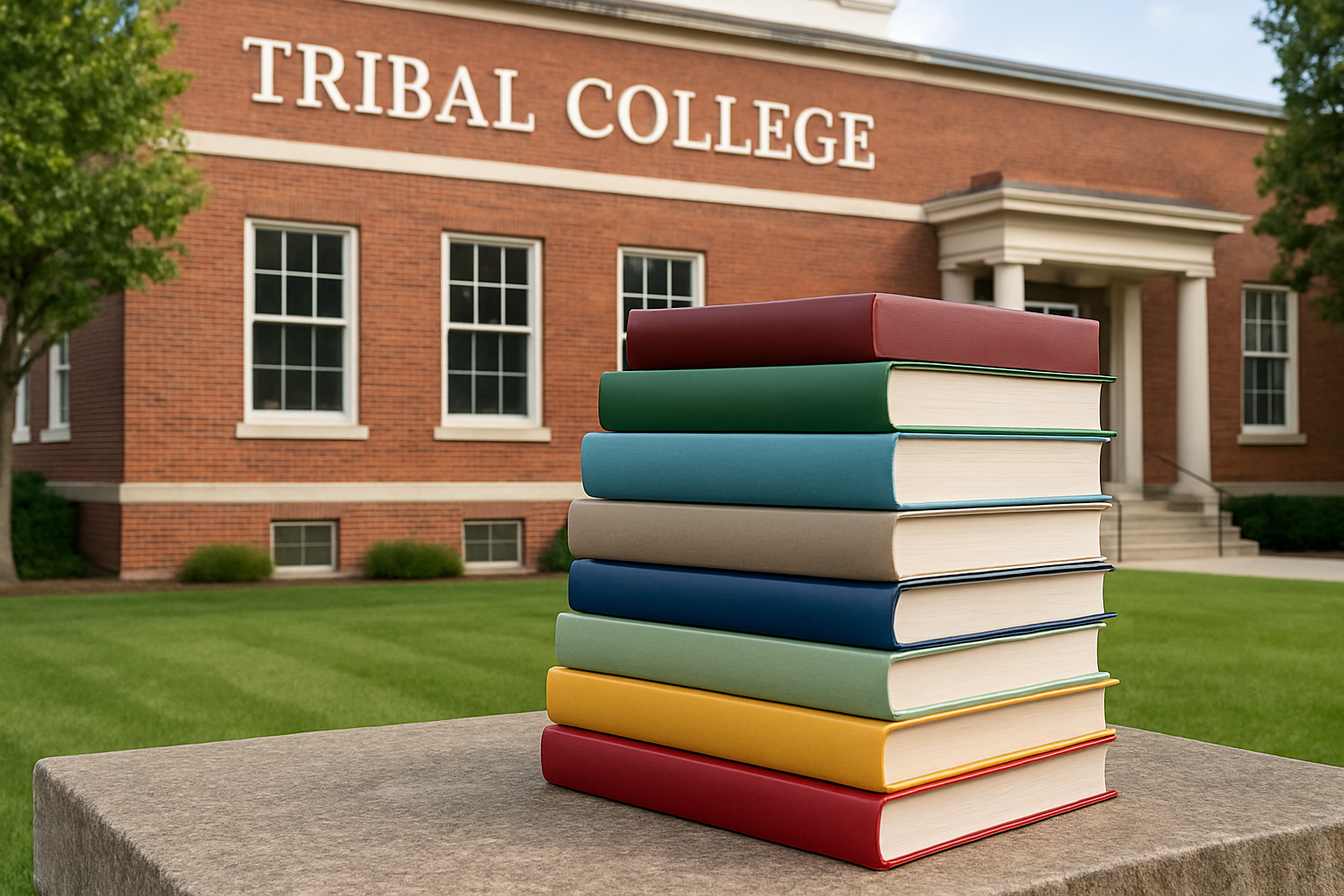
Understanding Tribal Colleges in the USA
Tribal Colleges and Universities (TCUs) play a critical role in providing higher education opportunities to Native American students. These institutions are not just centers for learning, but also pivotal for preserving and promoting Native American cultures, languages, and traditions. Established to serve geographically isolated populations that have no other means accessing education beyond the high school level, TCUs are growing in reputation and importance.
What Makes Tribal Colleges Unique?
Tribal Colleges are unique because they cater specifically to the needs of Native American communities. They offer a culturally relevant curriculum that respects and incorporates indigenous knowledge and practices. Moreover, they provide support services tailored to the challenges faced by Native students, such as flexibility in course scheduling and financial assistance.
Top Tribal Colleges in the USA
Based on comprehensive analysis of academic offerings, cultural relevance, campus facilities, and student support services, here are the top 10 tribal colleges in the United States:
- College of Menominee Nation (CMN) - Located in Keshena, Wisconsin, CMN is celebrated for its strong focus on sustainable development and environmental stewardship.
- Oglala Lakota College (OLC) - Situated in Kyle, South Dakota, OLC offers an array of bachelor’s degrees and is deeply connected to the local Lakota heritage.
- Sitting Bull College (SBC) - With campuses in Fort Yates and Mobridge, North Dakota, SBC emphasizes entrepreneurship and agricultural sciences.
- Salish Kootenai College (SKC) - Located in Pablo, Montana, SKC is recognized for its cutting-edge technology programs and health science degrees.
- Haskell Indian Nations University - A historical powerhouse in Lawrence, Kansas, known for its robust business and athletics programs.
- Diné College - Based in Tsaile, Arizona, Diné College promotes Navajo philosophy and language throughout its course offerings.
- Institute of American Indian Arts (IAIA) - Located in Santa Fe, New Mexico, IAIA is renowned for its arts and creative writing programs.
- Leech Lake Tribal College (LLTC) - Known for its small class sizes and personal attention, LLTC in Cass Lake, Minnesota, focuses extensively on anishinaabe values and traditions.
- Stone Child College (SCC) - Offering a range of vocational and academic programs, SCC in Box Elder, Montana, emphasizes cultural preservation.
- United Tribes Technical College (UTTC) - Positioned in Bismarck, North Dakota, UTTC is appreciated for its intensive training programs in trade and technology fields.
Benefits of Attending a Tribal College
Attending a tribal college offers numerous benefits beyond academic education. These institutions foster a sense of community and identity among students. By integrating traditional indigenous teachings with Western education models, TCUs equip students with life skills that are both practical and meaningful to their cultural background.
Additionally, many tribal colleges have partnerships with mainstream universities, allowing students the opportunity to seamlessly transfer credits to four-year institutions to pursue advanced degrees.
How Tribal Colleges Support Community Development
Tribal colleges are not just educational institutions; they are pivotal in community and economic development. They act as community centers, providing adult education, agricultural outreach, and small business support. For instance, College of Menominee Nation's sustainable development initiatives have empowered local economic growth and resource management projects.
Challenges Facing Tribal Colleges
Despite the success and importance of TCUs, they face several challenges including limited funding and resources. Many of these institutions rely heavily on federal funds which are often insufficient to cover operational costs. Additionally, the remote locations of many TCUs can hinder the recruitment of faculty and students.
Nevertheless, tribal colleges continue to persevere, pushing for increased funding and developing innovative methods to connect with potential students and faculty globally.