Discover the Top 10 U.S. Hospitals for Cancer Treatment in 2023
Explore our curated list of the top 10 hospitals offering cancer treatment in the USA, where renowned medical experts meet advanced technology. Delve into personalized care options and cuttingedge therapies that these toprated hospitals provide, ensuring comprehensive support in your cancer journey.
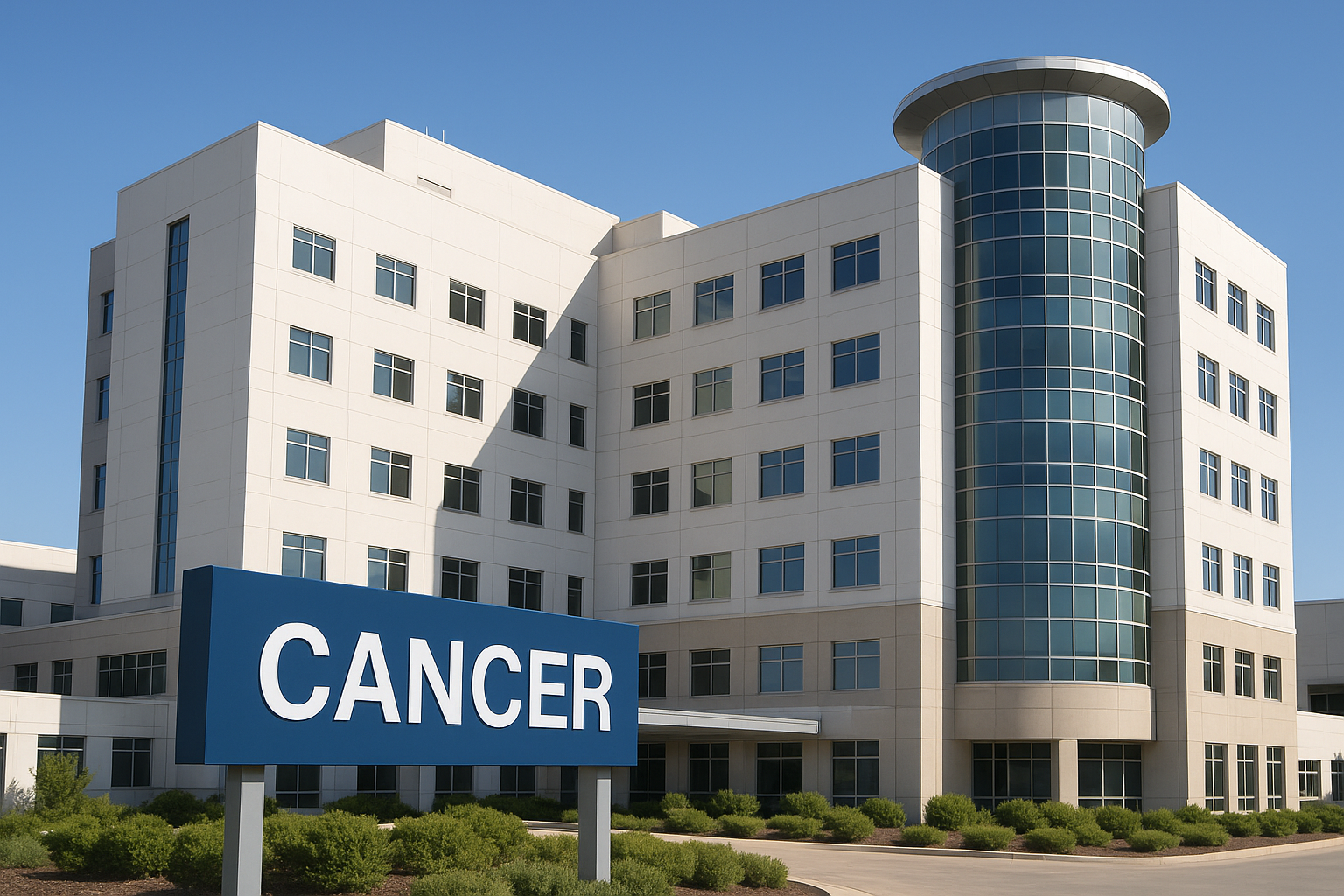
Understanding Cancer Treatment Options in the USA
The diagnosis of cancer is a life-changing event, prompting patients and their families to seek the best possible care. In the USA, numerous hospitals offer specialized cancer treatment programs renowned for their research, technology, and multidisciplinary teams. If you're considering treatment options, it's vital to understand what makes these institutions stand out and what factors to consider when choosing the right facility.
What Makes a Hospital a Leading Cancer Treatment Facility?
Top hospitals often distinguish themselves through a combination of advanced technology, robust research initiatives, specialized medical teams, and comprehensive support systems. Key characteristics of these institutions include:
- Cutting-Edge Technology: The use of the latest diagnostic and therapeutic technologies, such as proton therapy and personalized medicine.
- Research Contributions: Active involvement in clinical trials and research, contributing to the advancement of cancer treatments.
- Multidisciplinary Teams: Collaborative teams of oncologists, surgeons, radiologists, and support staff work together to provide holistic care.
- Patient-Centered Care: Comprehensive services, including psychological support, nutrition counseling, and rehabilitation, aim to address all aspects of patient well-being.
Highlights of Top Hospitals Offering Cancer Treatment
While there are many excellent centers, here are some of the most acclaimed hospitals in the USA known for their cancer treatment programs in 2026:
- MD Anderson Cancer Center (Houston, TX): Recognized globally for its exceptional research and treatment programs. As of 2026, MD Anderson continues to pioneer immunotherapy and personalized cancer care. According to Cancer.gov, it remains a leader in innovative cancer treatment.
- Memorial Sloan Kettering Cancer Center (New York, NY): Known for its world-class research and extensive clinical trial programs. Sloan Kettering has made significant strides in genetic therapies and precision oncology, providing tailored treatment solutions to patients.
- Mayo Clinic (Rochester, MN): Offers integrated cancer services with a focus on multidisciplinary teamwork, ensuring comprehensive care. The Mayo Clinic excels in patient-centered care strategies, utilizing real-time patient data for improved outcomes.
- Johns Hopkins Hospital (Baltimore, MD): Renowned for its state-of-the-art treatment facilities and groundbreaking research in cancer genomics.
- Cleveland Clinic (Cleveland, OH): Provides extensive cancer care services through its Taussig Cancer Institute, known for innovation in cancer therapeutics and supportive care.
Factors to Consider When Choosing a Cancer Treatment Hospital
Choosing the right hospital can be overwhelming. Here are vital factors that should guide your decision-making process:
- Specialization: Does the hospital specialize in your type of cancer?
- Access to Clinical Trials: Are there opportunities to participate in emerging treatment options through clinical trials?
- Insurance Compatibility: Is the hospital covered under your health insurance plan?
- Reviews and Ratings: What do other patients say about their experiences?
- Support Services: Are there comprehensive support services available for patients and families?
Real-World Examples: Patient Experiences
Consider the story of Claire, a breast cancer patient who received a groundbreaking combination of therapies at Stanford Hospital, another top institution. Her personalized treatment plan, supported by psychological counseling and nutritional guidance, contributed to her successful recovery. The hospital’s inclusive approach ensured Claire felt supported every step of the way.
Another example is David, a leukemia patient at the University of California, San Francisco (UCSF) Medical Center, who was part of a clinical trial for a new immunotherapy drug. This trial offered him access to previously unavailable treatment options and a tailored plan that improved his prognosis significantly. UCSF’s focus on research ensures patients like David are at the frontier of innovation.
Conclusion: Empowering Patients with Information
Equipped with knowledge about leading cancer treatment hospitals and armed with the factors to consider, patients and their families can make informed decisions about their care. Understanding available resources and treatment options is crucial for navigating the complex and emotional journey of cancer treatment in the USA.
Always consult with healthcare professionals and engage with patient support communities to assist in making the best decision suited to individual health needs. For further guidance, continue exploring resources like the American Cancer Society and National Cancer Institute.