Discover the Top 5 Affordable Living Destinations in North Carolina
Looking for affordable living in North Carolina? Discover the top 5 places where people are relocating for better lifestyle choices without breaking the bank. From charming small towns to vibrant cities, North Carolina offers various living options catering to diverse needs.
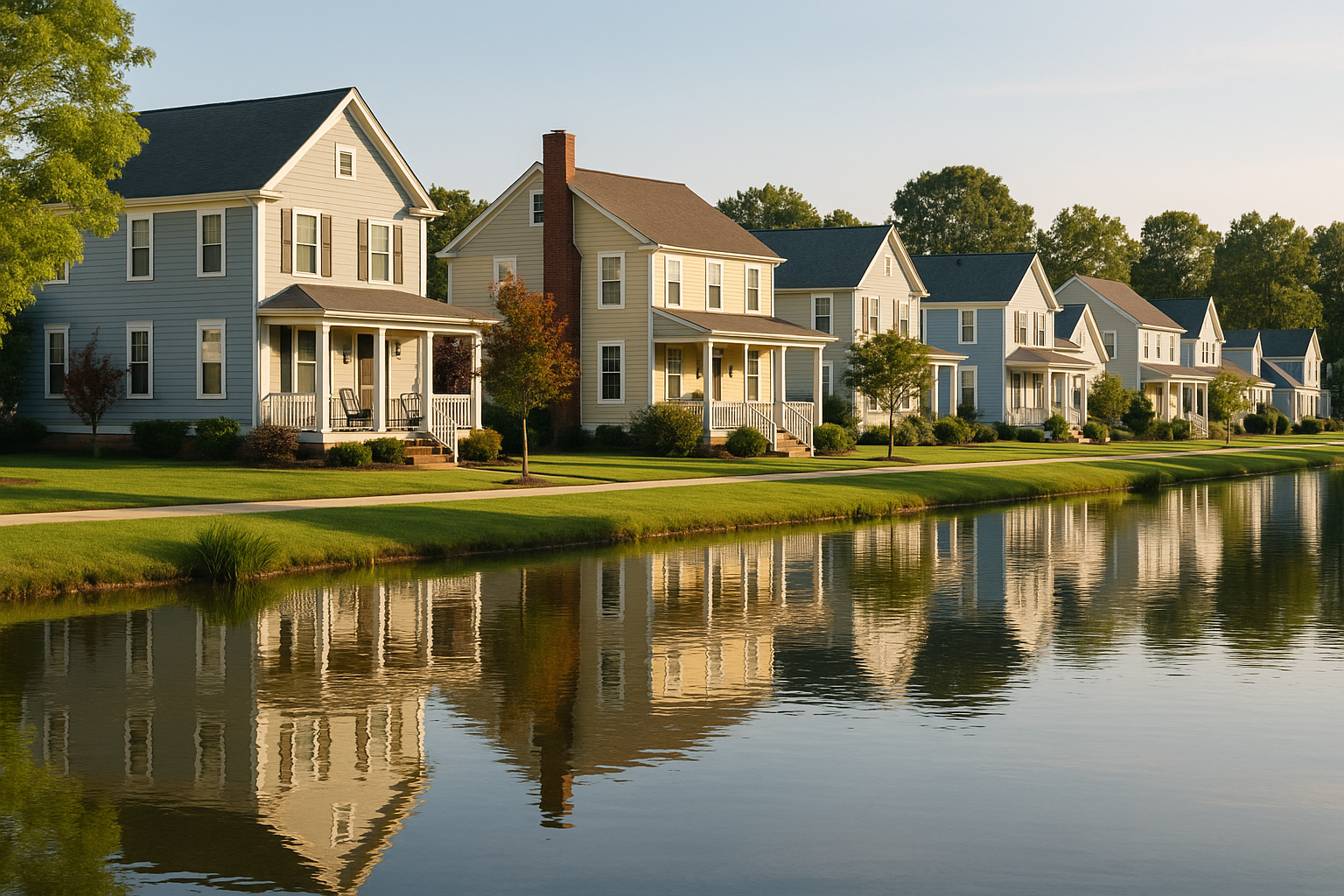
Factors Driving Relocation to North Carolina
North Carolina has emerged as a top destination for those seeking affordable living without compromising on quality of life. With its diverse landscape ranging from mountains to coastlines, the state offers appealing options for individuals and families alike. Let's explore the reasons why North Carolina is attracting people looking for budget-friendly living.
Cost of Living Advantages
One of the significant factors drawing people to North Carolina is its favorable cost of living. According to a 2026 report by the Bureau of Economic Analysis, North Carolina's cost of living is approximately 5% below the national average [1]. Housing costs, in particular, are much lower compared to states like California or New York, making it an attractive option for both retirees and young professionals.
Strong Job Market
Beyond affordability, North Carolina boasts a robust job market. The Research Triangle, comprising Raleigh, Durham, and Chapel Hill, is a well-known high-tech research and development center. Companies such as IBM, Cisco, and multiple biotech firms provide ample employment opportunities. Recent unemployment rates for the state remain consistently below the national average, signifying steady economic growth [2].
Top 5 Places in North Carolina for Affordable Living
1. Raleigh
As the state capital, Raleigh offers a unique blend of urban appeal and Southern charm. It’s known for its excellent schools, parks, and cultural institutions. The cost of living in Raleigh is about 6% lower than the national average, with housing being one of the most affordable aspects [3].
- Average Home Cost: $350,000
- Unemployment Rate: 3.5%
- Popular Suburbs: Cary, Apex
2. Charlotte
Charlotte is recognized as a major U.S. financial hub, second only to New York City. Its vibrant economy attracts many looking for job opportunities alongside affordable housing. Despite being a big city, Charlotte's housing costs are considerably lower than other major urban centers [4].
- Average Home Cost: $330,000
- Unemployment Rate: 3.8%
- Neighborhoods to Consider: NoDa, South End
3. Winston-Salem
Winston-Salem is often highlighted for its thriving arts scene and historical architecture. It is significantly less expensive than other cities in the state, with a low cost of living index. This city is ideal for those seeking a smaller community atmosphere without giving up urban amenities [5].
- Average Home Cost: $250,000
- Unemployment Rate: 4.0%
- Arts District: Downtown Arts District
4. Greensboro
Located in the Piedmont region, Greensboro offers a blend of Southern hospitality and robust industry. It’s home to several colleges and universities, contributing to its dynamic and youthful feel. Housing in Greensboro is very affordable, making it appealing to both young families and retirees [6].
- Average Home Cost: $240,000
- Unemployment Rate: 4.2%
- Notable Area: Lake Jeanette
5. Asheville
Nestled in the Blue Ridge Mountains, Asheville is famous for its vibrant arts scene, historic architecture, and outstanding natural beauty. It has higher than average housing costs compared to other cities in this list, but many find the lifestyle benefits worth the investment [7].
- Average Home Cost: $400,000
- Unemployment Rate: 3.6%
- Draws: Biltmore Estate, Blue Ridge Parkway
Conclusion
North Carolina's blend of affordability, economic opportunities, and quality of life makes it a compelling choice for relocation. Whether you're drawn to the urban landscapes of Raleigh and Charlotte, the cultural hubs like Winston-Salem and Greensboro, or the natural beauty of Asheville, North Carolina seems to hold a promise of affordable living without compromise.
As you consider a move, it's crucial to research each area thoroughly, paying attention to factors like job markets, educational facilities, and lifestyle offerings to ensure the best fit for your needs and preferences.