Discover the Top 5 Mental Health Centers for Veterans Across the USA
Discover the top mental health centers in the USA tailored specifically for veterans. This guide explores five exceptional facilities renowned for their commitment to veteran care.
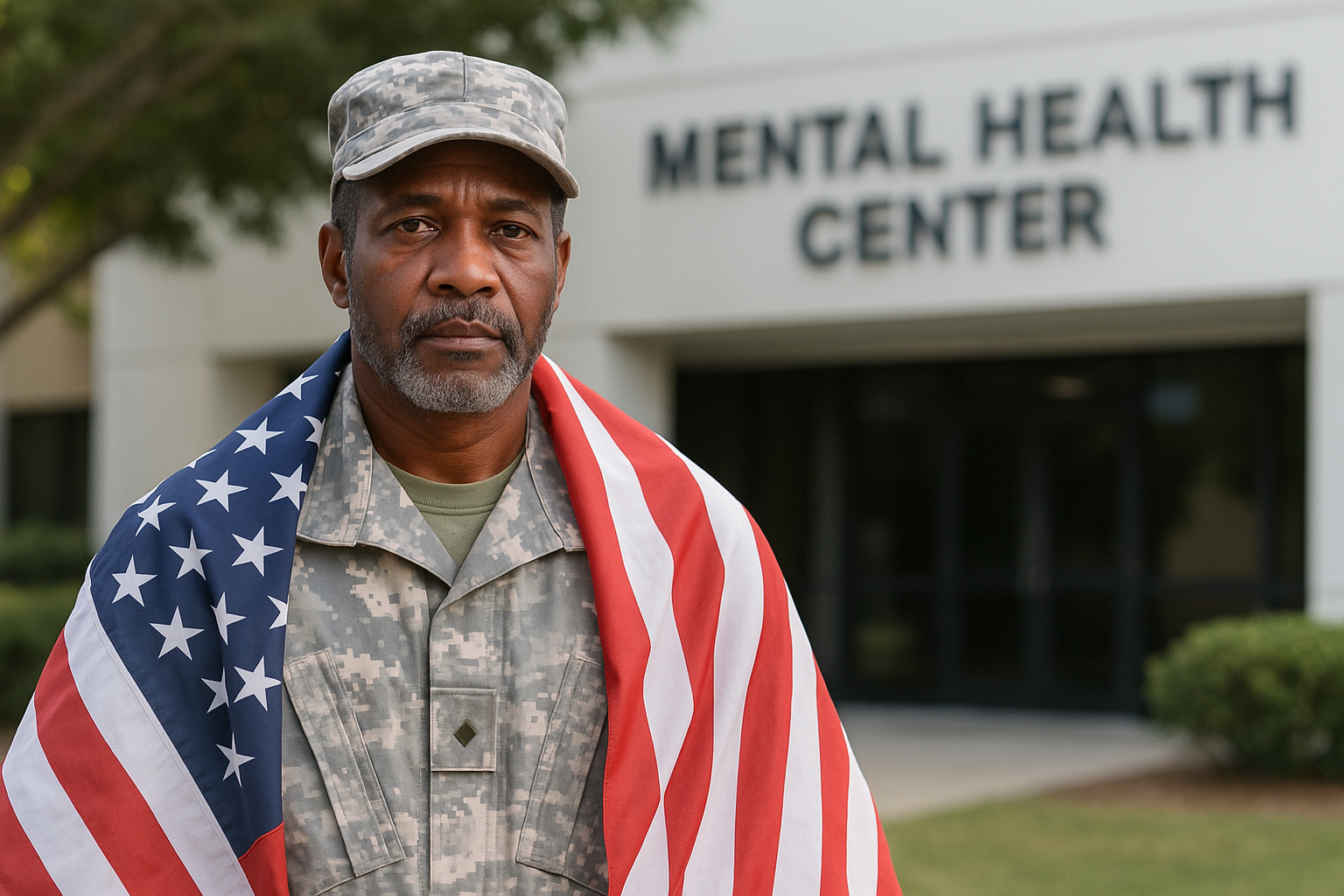
The Importance of Mental Health Centers for Veterans
For veterans, transitioning back to civilian life is often fraught with challenges. From combat-related injuries, PTSD, depression, anxiety, to other service-connected mental health issues, many veterans face a unique set of hurdles. It is crucial for these individuals to have access to specialized mental health services that understand their specific needs.
Mental health centers dedicated to serving veterans play an essential role in providing targeted care and support, ensuring they can lead fulfilling lives post-service. In the U.S., several centers have emerged as leaders in this field, offering innovative treatments, comprehensive programs, and compassionate care.
Top 5 Mental Health Centers in the USA for Veterans
Identifying where to find the best care can significantly impact a veteran's recovery journey. Here are the top five mental health centers for veterans in the United States in 2026:
1. The Cohen Veterans Network
The Cohen Veterans Network operates a national network of clinics providing high-quality, accessible mental health care for veterans and their families. With over 30 clinics across the country, the network offers a holistic approach to treatment involving evidence-based practices, such as cognitive behavioral therapy (CBT) and Eye Movement Desensitization and Reprocessing (EMDR). The clinics work closely with veterans to tailor personalized care plans that address their unique challenges.
Visit their website for more information: Cohen Veterans Network.
2. Veterans Affairs (VA) Medical Centers
The Veterans Health Administration operates many medical centers offering comprehensive mental health services specifically designed for veterans. These centers provide inpatient and outpatient care, including medication management, counseling, crisis intervention, and specialized programs for PTSD and substance abuse disorders. Veterans Affairs also offers telehealth options, making care more accessible to those in remote areas.
For more information on services provided by the VA Medical Centers, visit VA Mental Health Care.
3. Wounded Warrior Project (WWP) - Warrior Care Network
This program is a collaboration between Wounded Warrior Project and four leading academic medical centers working to provide specialized mental health care for veterans. The Warrior Care Network offers a two-week intensive outpatient program that includes individual therapy, group therapy sessions, and alternative therapeutic practices like yoga and meditation. These services are entirely free for eligible veterans, with travel and accommodation provided.
Learn more at: Warrior Care Network.
4. Give an Hour
Give an Hour is a non-profit organization founded to offer free mental health care to veterans and their families. They connect individuals with licensed volunteer mental health professionals for confidential, no-cost care across a wide range of mental health issues. The goal is to remove barriers to care and encourage more veterans to seek the help they deserve.
Explore more about their services here: Give an Hour.
5. National Alliance on Mental Illness (NAMI) Homefront
NAMI Homefront is a specially designed program emphasizing education and peer support for families of veterans and active-duty military personnel. The program offers a free, six-session educational course addressing the challenges of living with PTSD, TBI, and other mental health conditions, helping families foster a supportive recovery environment.
Find additional resources at: NAMI for Veterans.
Why Choose Specialized Centers?
Veterans benefit immensely from engaging with programs specifically targeting their unique experiences. These specialized centers are staffed by individuals trained to understand military culture and the specific mental health issues stemming from military service. Furthermore, these centers often collaborate with community resources, ensuring a robust support system is accessible to each veteran.
Conclusion: Seeking Help is a Strength
Recognizing the need for help is a vital step in a veteran's recovery journey. With specialized centers spread across the country, veterans have access to top-tier care designed to guide them toward a healthier, more fulfilling life. By choosing one of these top-rated centers, veterans are making a valuable investment in their mental well-being, ensuring they receive the specialized care they deserve and require.
References
- Cohen Veterans Network
https://www.cohenveteransnetwork.org/ - Veterans Health Administration (VA Mental Health Care)
https://www.mentalhealth.va.gov/ - Wounded Warrior Project – Warrior Care Network
https://www.woundedwarriorproject.org/programs/warrior-care-network - Give an Hour
https://giveanhour.org/ - NAMI Homefront
https://www.nami.org/Support-Education/Mental-Health-Education/NAMI-Homefront