Discover the Top 5 Tax-friendly Towns in Pennsylvania
Discover Pennsylvania's hidden gems with our guide to the top 5 tax-friendly towns. These towns offer potential benefits for those looking to maximize their tax advantages without compromising on lifestyle. Dive into our list to see if these charming spots match your financial and living priorities.
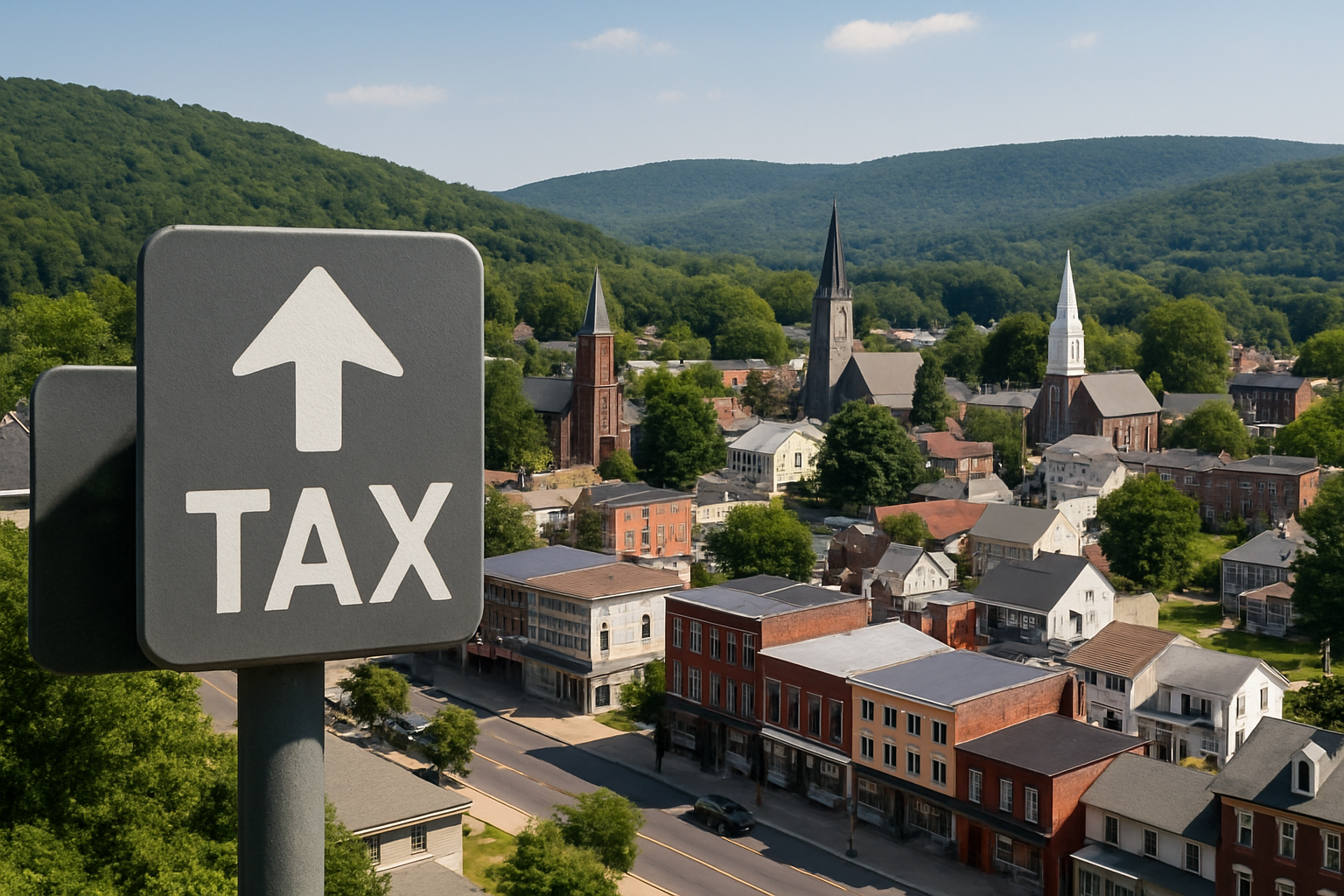
Understanding Tax-Friendliness
When the term "tax-friendly" comes up, especially in the context of towns or cities, it usually refers to areas that have a favorable tax climate. A tax-friendly town often offers tax incentives, lower property taxes, or better deductions for residents. These factors are crucial for retirees, young families starting out, or anyone looking to optimize their financial well-being. But what makes a town truly tax-friendly differs depending on individual financial situations and the specific mix of taxes imposed.
In 2026, the broader tax landscape in the U.S. continues to evolve, impacting local jurisdictions and how they implement taxes. For instance, states like Pennsylvania have maintained relatively stable tax rates but offer unique local levies that vary by municipality. Let's dive into what makes Pennsylvania an attractive state for tax-conscious residents and explore five specific towns that stand out for their tax-friendliness.
Pennsylvania's Tax Landscape
Pennsylvania is known for its flat state income tax, currently set at 3.09%, which is among the lowest in the country. However, it's critical to be aware of the local earned income taxes that can vary significantly from one place to another. Additionally, Pennsylvania's sales tax is relatively modest at 6%, though it can rise up to 8% in certain areas due to additional local charges.
Another key consideration is property tax, as Pennsylvania's median property tax rate sits around 1.58% of assessed home value, with substantial variability depending on the locality. The state also provides various exemptions and rebates, particularly for seniors, which can make certain towns more attractive to retirees.
Top 5 Tax-Friendly Towns in Pennsylvania
1. Lancaster
Lancaster stands out for its community-based living and relatively low property tax rates. For 2026, the city's effective property tax rate remains below the state average, making it appealing for first-time homeowners and retirees. Lancaster also benefits from a host of local tax incentives aimed at encouraging business development and revitalization projects. This mix of residential appeal and economic stimulation contributes to its tax-friendly status.
2. Pittsburgh
With a strategic focus on rebuilding its post-industrial economy, Pittsburgh presents several tax advantages. The city has implemented a few experimental tax zones offering breaks and incentives for businesses, but it also keeps resident taxes reasonably low. Pittsburgh’s local services tax is minimal, and the city strives to provide high-quality public services without excessive taxation, fostering a cost-effective living environment.
3. Scranton
Scranton often doesn't make headlines for tax purposes, but its evolving real estate market and tax policies have made it increasingly desirable. Recent initiatives have seen effective reductions in property taxes for new residents through various rebate programs. Moreover, Scranton’s alignment of taxes with community support services ensures a balanced cost of living, making it a hidden gem for those looking to stretch their dollars further.
4. Erie
As of 2026, Erie has continued to benefit from revitalizing efforts that combine attractive tax packages with growing economic opportunities. The city’s programs offering lower property taxes for redevelopment areas have attracted new residents and businesses alike. Erie's position as a lakefront town also gives it unique advantages in the form of tourism-related business incentives, not to mention its educational infrastructure's role in sustaining local tax benefits.
5. State College
Though best known as a university town, State College has developed a compelling mix of tax advantages. The presence of Penn State University contributes to relatively low local taxes, balanced by economic activity from students and affiliated services. The availability of various tax deductions and credits for educational expenses also factors into the area's high ranking for tax-friendliness.
How to Choose a Tax-Friendly Town
Determining the best tax-friendly town involves balancing several factors against personal priorities:
- Income Taxes: Look for areas with lower local earned income taxes to maximize take-home pay.
- Property Taxes: For property owners, consider towns with below-average property tax rates and available exemptions if applicable.
- Sales Taxes: Lower combined state and local sales taxes will benefit those with significant consumer expenses.
- Local Incentives: Evaluate any available local tax incentives, particularly if you are starting a business or buying a home.
- Community Services: A town's quality and range of public services can reflect well-managed tax policies that ultimately benefit residents.
Conclusion
Choosing a tax-friendly place to live in Pennsylvania can significantly affect your financial planning and quality of life. Knowing local tax laws, the balance between services offered and taxes collected, and potential benefits applies to more than just picking a place to reside—it can be strategic financial management.
Pennsylvania, with its diverse towns and cities, offers varied options for individuals and families looking to save money and enjoy a good quality of life. Whether considering the vibrant streets of Pittsburgh or the collegiate atmosphere of State College, each of these towns presents unique advantages in the broader tax landscape.