Discover the Top Cruise Destinations of 2026: A Comparative Guide
Planning your 2026 cruise adventure starts right here. To help you choose the perfect getaway, we’re comparing the most popular itineraries head-to-head, from the sun-soaked Caribbean to the majestic glaciers of Alaska and the historic ports of the Mediterranean.
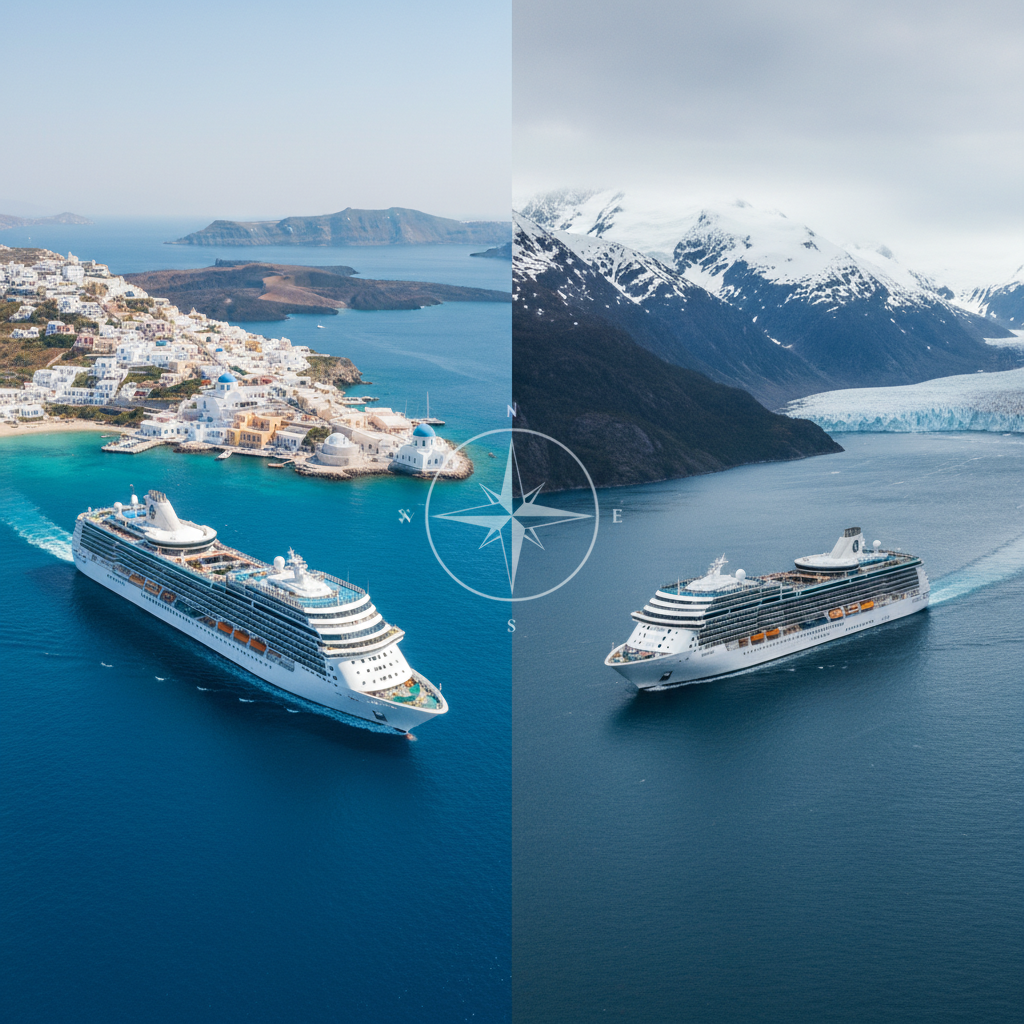
An In-Depth Look at Top 2026 Cruise Itineraries
As you begin planning for a 2026 getaway, cruising offers a unique way to see multiple destinations without the hassle of constant packing and unpacking. The world of cruising is vast, with itineraries designed to suit every type of traveler. From the sun-drenched beaches of the Caribbean to the icy fjords of Alaska, choosing the right route is the first step toward a memorable vacation. Here, we compare some of the most popular cruise routes anticipated for 2026, breaking down what makes each one special.
1. The Classic Caribbean Escape
The Caribbean remains the world's most popular cruise destination for good reason. It offers a perfect blend of relaxation, adventure, and culture, all set against a backdrop of turquoise waters and white-sand beaches. Itineraries are typically divided into three main regions: Eastern, Western, and Southern. The Eastern Caribbean route often includes stops in destinations like St. Maarten, Puerto Rico, and the U.S. Virgin Islands, known for their shopping and stunning beaches. Western Caribbean cruises frequently visit Mexico, Jamaica, and Belize, offering access to ancient Mayan ruins and incredible snorkeling and diving opportunities.
This route is exceptionally well-suited for first-time cruisers and families, thanks to the wide variety of activities and generally shorter sailing durations, which often range from 4 to 7 nights. The best time to travel is typically from December to April, outside of the peak hurricane season. Onshore activities are plentiful, from zip-lining through rainforests and swimming with stingrays to simply lounging on a world-famous beach. The sheer number of cruise lines operating in the region means there are options for every budget and travel style, from mega-ships packed with amenities to more intimate, luxury vessels.
2. Alaska's Majestic Glaciers
An Alaskan cruise is a journey into a world of breathtaking natural beauty. Unlike tropical destinations, the main attraction here is the awe-inspiring scenery: towering glaciers, deep fjords, and lush temperate rainforests. The primary cruising route is the Inside Passage, a network of waterways that allows ships to navigate past dramatic landscapes and remote coastal towns. Common ports of call include Juneau, Skagway, and Ketchikan, each offering a unique glimpse into Alaska's Gold Rush history and indigenous culture.
This itinerary is ideal for nature lovers, photographers, and multi-generational families looking for a more substantive travel experience. The cruise season is limited to the warmer months, typically from May through September. Wildlife viewing is a major highlight, with high chances of spotting humpback whales, orcas, bald eagles, and even bears from the ship or on an excursion. Popular onshore activities include whale watching tours, dog sledding on a glacier, salmon fishing, and scenic train rides. These cruises are generally longer, with most lasting 7 to 10 nights, providing ample time to soak in the majestic environment.
3. The Historic Mediterranean Journey
For those with a passion for history, art, and cuisine, a Mediterranean cruise is an unparalleled experience. These itineraries immerse travelers in the heart of Western civilization. Similar to the Caribbean, the region is often split into two categories. Western Mediterranean cruises focus on the cultural powerhouses of Italy, France, and Spain, with ports like Rome (Civitavecchia), Florence (Livorno), and Barcelona. Eastern Mediterranean sailings explore the ancient wonders of Greece, the stunning coastlines of Croatia, and sometimes the historic shores of Turkey, visiting iconic locations like Athens, Santorini, and Dubrovnik.
A Mediterranean cruise is perfectly suited for history buffs, foodies, and couples seeking a romantic and enriching vacation. The peak season is during the summer months, but the shoulder seasons of spring and fall offer pleasant weather with fewer crowds. Durations tend to be longer, usually 7 to 12 nights or more, to allow for in-depth exploration of the numerous historical sites. Onshore days are packed with activity, from touring the Colosseum and Vatican City to wandering through ancient ruins in Ephesus or admiring the cliffside villages of the Greek Isles. It's a destination-intensive experience where the ports of call are the main event.
4. The Hawaiian Islands Adventure
A cruise to Hawaii offers a convenient and comprehensive way to experience the diversity of the Aloha State without the need for inter-island flights. Most of these itineraries sail round-trip from West Coast ports like Los Angeles, San Francisco, or San Diego, which means the journey includes several consecutive days at sea to cross the Pacific. Once in Hawaii, ships typically visit four or more islands, including Oahu (home to Honolulu and Pearl Harbor), Maui (known for its beautiful beaches and the Road to Hana), the Big Island (famous for its active volcanoes), and Kauai (the "Garden Isle").
This route is fantastic for travelers who want to see multiple islands in one trip and enjoy the relaxing days at sea. With a typical duration of 14 to 15 nights, it's a significant time commitment but offers a deep dive into Polynesian culture. Hawaii is a year-round cruise destination, with consistently pleasant weather. The long journey from the mainland allows passengers to fully utilize the ship's amenities, from spas and pools to entertainment and dining. Onshore, activities range from attending a traditional luau and surfing lessons on Waikiki Beach to hiking in Volcanoes National Park and taking a helicopter tour over the stunning Na Pali Coast.
Cruise Route Comparison Table for 2026
| Cruise Route | Best For | Typical Duration | Peak Season | Primary Vibe |
|---|---|---|---|---|
| Caribbean | Families, First-Timers, Sun-Seekers | 4-7 Nights | December - April | Relaxing, Fun, Beach-Focused |
| Alaska | Nature Lovers, Multi-Generational Travel | 7-10 Nights | May - September | Scenic, Adventurous, Educational |
| Mediterranean | History Buffs, Foodies, Couples | 7-12+ Nights | May - September | Cultural, Historic, Destination-Intensive |
| Hawaii | Relaxation Seekers, Island Hoppers | 14-15 Nights | Year-Round | Leisurely, Tropical, Immersive |
The Shift in Modern Cruise Itineraries
The world of cruise travel has evolved significantly over the past couple of decades. Early on, the ship itself was often the main destination, with ports of call serving as brief, almost secondary, stops. However, modern travelers demand more authentic and immersive experiences, and cruise lines have responded by completely rethinking their itineraries. For 2026 and beyond, the focus is increasingly on the destination, with routes designed to provide deeper cultural immersion.
This shift is evident in several trends. First is the rise of overnight stays in port, allowing passengers to experience the local nightlife, dine at onshore restaurants, and explore cities more thoroughly without feeling rushed. Second is the growth of expedition cruising, which takes smaller, more rugged ships to remote destinations like Antarctica, the Galapagos Islands, or the Arctic. These voyages are less about onboard entertainment and more about exploration and education. Finally, cruise lines are curating more exclusive experiences, such as access to their own private islands in the Caribbean, which offer a pristine and controlled beach day environment away from crowded public ports.
Answering Your Top Cruise Planning Questions
Choosing a route is just the beginning. As you delve deeper into planning, several other questions are likely to arise. Understanding these key aspects can help you make more informed decisions for your 2026 cruise vacation.
How Do I Choose the Right Cruise Line for My Route?
Not all cruise lines are created equal, and many specialize in certain regions or travel styles. The cruise line you choose should match both your destination and your personal preferences for onboard atmosphere. For example, if you're planning a Caribbean cruise with children, lines like Disney Cruise Line and Royal Caribbean are known for their family-friendly activities and entertainment. For an Alaskan cruise, Princess Cruises and Holland America Line have a long history in the region and offer robust land-and-sea tour packages.
For a more sophisticated, adult-focused experience in the Mediterranean, you might consider lines like Celebrity Cruises, Viking Ocean Cruises, or Azamara. These lines often emphasize fine dining, cultural enrichment programs, and longer stays in port. It's important to research the "personality" of a cruise line. Read reviews and look at what their onboard experience offers to ensure it aligns with the kind of vacation you envision.
What's the Difference Between Onboard vs. Onshore Days?
A cruise itinerary is made up of two types of days: "port days" (onshore) and "sea days" (onboard). A port day is when the ship is docked at a destination, and passengers are free to go ashore to explore, take an excursion, or simply wander around. A sea day is a full day spent sailing between ports, where passengers remain on the ship.
The ratio of port days to sea days can significantly impact the pace and feel of your vacation. Itineraries with many consecutive port days are often fast-paced and action-packed, while those with more sea days offer a more relaxing experience. Sea days are a perfect opportunity to enjoy the ship's amenities—relax by the pool, visit the spa, try a specialty restaurant, or see a show. When comparing routes, pay close attention to the number of sea days. For example, a Hawaiian cruise from California will have several sea days, which is ideal for someone who enjoys the onboard experience as much as the destinations.
Understanding Cruise Pricing: What's Typically Included?
One of the most appealing aspects of cruising is its perceived all-inclusive nature, but it's important to understand what your base fare actually covers. Generally, the price of your cruise includes your stateroom accommodation, meals in the main dining rooms and buffet, select beverages like tap water, basic coffee, and tea, and access to most onboard entertainment and facilities like pools and fitness centers.
However, there are several common extra costs to budget for. These typically include gratuities for the crew, alcoholic beverages and specialty coffees, meals at specialty restaurants, shore excursions booked through the cruise line, Wi-Fi access, and spa treatments. Some luxury cruise lines offer a more genuinely all-inclusive model that covers these extras, but for most major lines, you should plan to spend additional money on these items to get the full experience.
Final Thoughts on Choosing Your 2026 Cruise
Ultimately, the best cruise route for 2026 is the one that aligns with your personal travel dreams. Whether you envision yourself exploring ancient ruins in Europe, watching a glacier calve into the sea in Alaska, or simply relaxing on a warm Caribbean beach, there is an itinerary designed for you. By considering factors like your ideal activity level, budget, and the type of scenery you want to experience, you can narrow down the options and select the perfect floating vacation.
For more detailed cruise reviews and port information, you can visit resources like Cruise Critic or explore itineraries directly on cruise line websites such as Royal Caribbean.