Discover the Top Eco-Friendly Thong Brands You Can Trust
Searching for a thong that is comfortable, stylish, and genuinely sustainable can feel like an impossible task. To make it easier, we’ve researched and compared some of the best eco-friendly brands on the market right now.
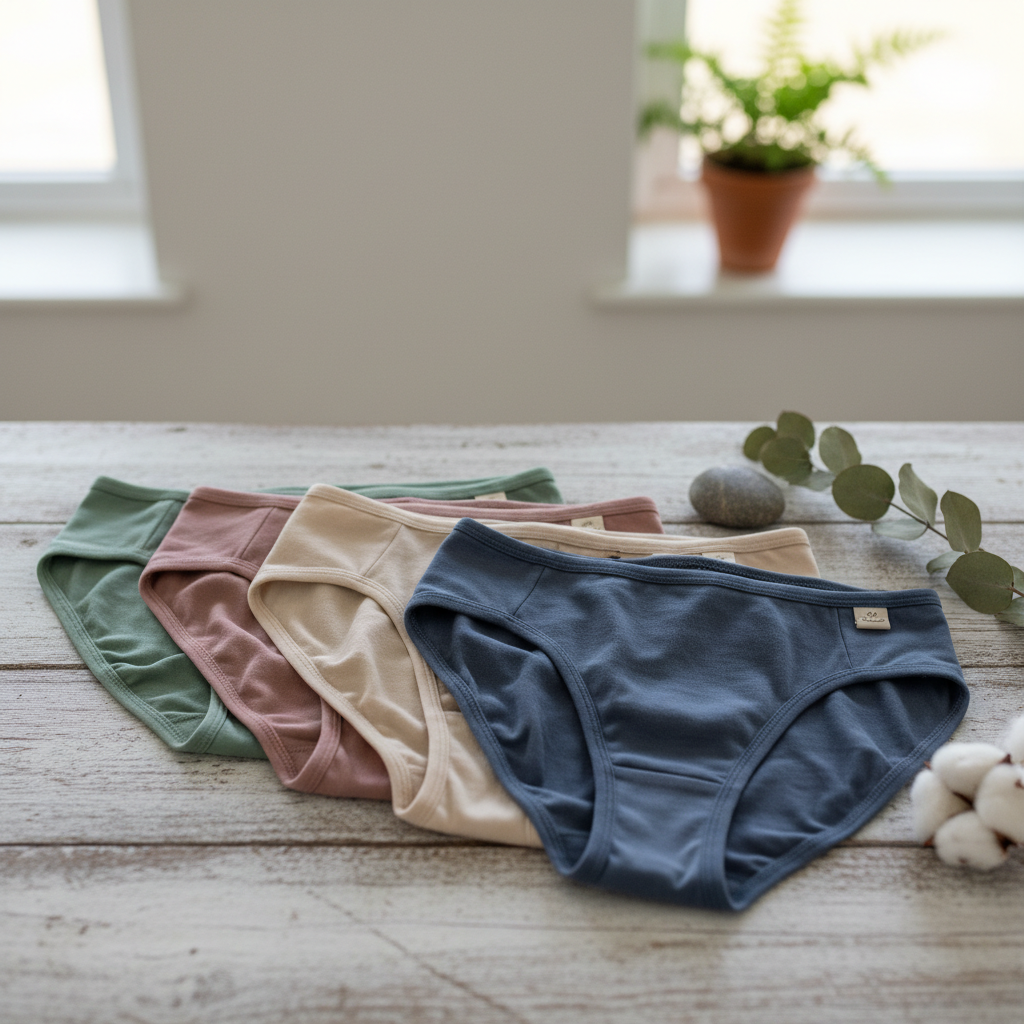
Top Eco-Friendly Thong Brands to Consider
When searching for underwear that is both comfortable and kind to the planet, many consumers are turning to brands that prioritize sustainability. Eco-friendly thongs are crafted from environmentally conscious materials, produced under ethical conditions, and designed to last. Below is a look at some of the best brands leading the way in sustainable intimate apparel.
Pact
Pact has established itself as a go-to brand for accessible and affordable organic apparel, and their underwear line is a cornerstone of their collection. Their thongs are primarily made from GOTS (Global Organic Textile Standard) certified organic cotton, which ensures the cotton is grown without harmful pesticides or synthetic fertilizers. This process uses significantly less water than conventional cotton farming, making it a much more sustainable choice. The brand is also Fair Trade Certified, which guarantees that the workers involved in the production process receive fair wages and work in safe conditions.
In terms of style and comfort, Pact offers a variety of thong designs, from classic cuts to lace-waist options, catering to different preferences. The organic cotton fabric is known for its softness, breathability, and hypoallergenic properties, making it an excellent choice for sensitive skin. Consumers often praise Pact for its reliable fit and durability, offering a practical and ethical alternative to fast-fashion underwear without a steep price tag.
Organic Basics
Hailing from Denmark, Organic Basics focuses on creating high-quality, minimalist essentials that are designed to last. The brand's philosophy is rooted in reducing consumption by producing durable items that you won't need to replace frequently. Their thongs are made from a range of innovative, eco-friendly materials, including GOTS certified organic cotton, TENCEL™ Lyocell (derived from sustainably sourced wood pulp), and recycled materials. As a certified B Corp, Organic Basics meets high standards of social and environmental performance, accountability, and transparency.
The brand is particularly known for its seamless designs, which provide a smooth silhouette under clothing and exceptional comfort. Their "Invisible" line, made from recycled nylon, is a popular choice for its barely-there feel. While their price point is higher than some other brands, the investment reflects the quality of the materials and the ethical production standards. The focus on classic styles and neutral colors ensures their pieces remain timeless staples in any wardrobe.
Boody
Boody is a brand celebrated for its use of bamboo viscose as its primary material. This fabric is derived from organically grown bamboo, which is a highly renewable resource that requires no pesticides or irrigation to grow. The production process for Boody's bamboo viscose is a closed-loop system, meaning the water and solvents are recycled and reused, minimizing environmental impact. The brand holds several certifications, including OEKO-TEX Standard 100, which confirms that the fabric is free from harmful chemicals, and it is PETA-Approved Vegan.
The main appeal of Boody's thongs is their incredible softness and comfort. Bamboo viscose is naturally breathable, moisture-wicking, and thermoregulating, helping you stay cool and dry throughout the day. Their designs are typically seamless and minimalist, focusing on a comfortable, body-hugging fit. For those who prioritize a silky-smooth feel against their skin, Boody offers an excellent and sustainable option.
Knickey
Knickey is a brand with a singular focus: creating the best organic cotton underwear. They exclusively use GOTS certified organic cotton, ensuring a product that is free from toxins and gentle on both your skin and the environment. Their entire supply chain, from the farm to the factory, is transparent and certified to uphold strict environmental and social standards. They also use non-toxic dyes, making their products safe for even the most sensitive skin.
One of Knickey's most unique features is its robust recycling program. They accept old underwear from any brand, which they then recycle into secondary materials like insulation, keeping textiles out of landfills. Customers who participate are rewarded with credit toward their next Knickey purchase. The thongs themselves come in a range of cuts—low-rise, mid-rise, and high-rise—and a vibrant palette of colors, offering a fun and responsible way to refresh your underwear drawer.
WAMA Underwear
WAMA Underwear has carved out a niche by championing one of the most sustainable fabrics available: hemp. Hemp is a remarkable plant that requires very little water, no pesticides, and naturally enriches the soil it grows in. The fabric it produces is known for its exceptional durability, breathability, and natural anti-bacterial properties. WAMA blends hemp with organic cotton to create a fabric that is soft, comfortable, and gets even softer with every wash.
The brand is committed to transparency, providing detailed information about its supply chain and factory partners. Their designs are simple, functional, and built for everyday comfort. While hemp fabric may feel slightly different from conventional cotton at first, its performance benefits—especially its ability to fight odor and wick moisture—make it a powerful choice for underwear. WAMA's thongs are a great option for anyone looking for a long-lasting, high-performance, and incredibly sustainable undergarment.
What Exactly Makes Underwear 'Eco-Friendly'?
The term "eco-friendly" can feel broad, but in the context of underwear, it refers to specific practices throughout the product's lifecycle. Understanding these elements can help you make a more informed decision.
Sustainable Materials
The foundation of any eco-friendly garment is the material it's made from. Key sustainable fabrics include:
- Organic Cotton: Grown without synthetic pesticides and fertilizers, using far less water than conventional cotton. Look for GOTS certification.
- Hemp: A highly durable, naturally antimicrobial fiber that requires minimal water and no pesticides to grow.
- TENCEL™ Lyocell: Made from sustainably sourced wood pulp in a closed-loop process that recycles water and solvents. It's known for its softness and moisture-wicking properties.
- Bamboo Viscose: When sourced from organically grown bamboo and processed in a closed-loop system, it's a soft, breathable, and renewable option.
- Recycled Materials: Using recycled nylon or polyester diverts waste from landfills and reduces the need for virgin petroleum-based resources.
Ethical Production
How a garment is made is just as important as what it's made of. Ethical production focuses on the well-being of the people who make the clothing. Certifications like Fair Trade ensure that workers receive fair wages, work in safe conditions, and are treated with respect. Brands that are transparent about their supply chain and factory partners demonstrate a commitment to social responsibility.
Packaging and Dyes
An often-overlooked aspect of sustainability is the finishing and shipping process. Eco-conscious brands use low-impact, non-toxic dyes that are free from harmful chemicals, which is better for workers, consumers, and waterways. The OEKO-TEX certification is a good indicator of this. Furthermore, these brands typically opt for minimal, plastic-free packaging made from recycled and/or recyclable materials to reduce waste.
Common Questions About Sustainable Underwear
Switching to eco-friendly underwear can bring up a few questions. Here are answers to some of the most common inquiries.
How Do You Care For Eco-Friendly Thongs to Make Them Last?
Proper care is essential for extending the life of any garment, especially those made from natural fibers. To make your sustainable thongs last longer, it's best to wash them in cold water on a gentle cycle. Using a delicates bag can help protect them from snagging on zippers or buttons from other clothes in the wash. Cold water is not only gentler on the fabric's fibers but also consumes less energy, further reducing your environmental footprint.
When it comes to drying, air-drying is the superior choice. Tumble dryers can expose the delicate elastic and soft fibers to high heat, which can cause them to break down prematurely. Laying them flat or hanging them to dry will preserve their shape and elasticity. Additionally, opt for a mild, pH-neutral detergent and avoid fabric softeners and bleach, as harsh chemicals can damage natural fibers and irritate your skin.
Is There a Difference Between 'Organic' and 'Sustainable'?
Yes, while the terms are often used interchangeably, they have distinct meanings. "Organic" refers specifically to the agricultural process. For a material like cotton to be certified organic, it must be grown from non-GMO seeds and without the use of synthetic pesticides, herbicides, or fertilizers. Certifications like the GOTS are crucial for verifying these claims.
"Sustainable," on the other hand, is a much broader concept that encompasses the entire lifecycle of a product. It considers the environmental impact of the materials, the ethical treatment of workers, the amount of water and energy used in production, the product's durability, and its end-of-life (whether it's biodegradable or recyclable). Therefore, an organic product is a component of a sustainable system, but sustainability also includes social and economic factors beyond just the farming method.
Why Does Sustainable Underwear Often Cost More?
The higher price point of sustainable underwear can be a barrier for some, but it reflects the true cost of responsible production. Organic and eco-friendly raw materials are more expensive to grow and harvest than their conventional counterparts. Certifications, which provide crucial third-party verification of a brand's claims, also come with significant costs.
Furthermore, ethical manufacturing involves paying workers a fair, living wage, which is often much higher than the minimum wage in many garment-producing countries. These brands also invest in higher-quality construction to ensure their products are durable. While the upfront cost is higher, the longer lifespan of the garment often results in a lower cost-per-wear over time compared to cheaply made, fast-fashion alternatives that need to be replaced frequently.
Final Thoughts
Choosing an eco-friendly thong is a small but meaningful step toward a more sustainable wardrobe. By focusing on brands that prioritize environmentally friendly materials, ethical production, and timeless design, you can invest in underwear that is better for your body and the planet. Whether you prefer the softness of organic cotton, the silky feel of bamboo, or the durability of hemp, there is a wide array of excellent options available to meet your needs for comfort, style, and conscience.
For more information on textile certifications, you can visit the official Global Organic Textile Standard (GOTS) website. To learn more about ethical fashion advocacy, check out Fashion Revolution.