Discover the Top Folding Sofa Beds Perfect for Compact Living Spaces
Finding the perfect folding sofa bed for a small apartment or guest room can be a game-changer, and you've come to the right place.
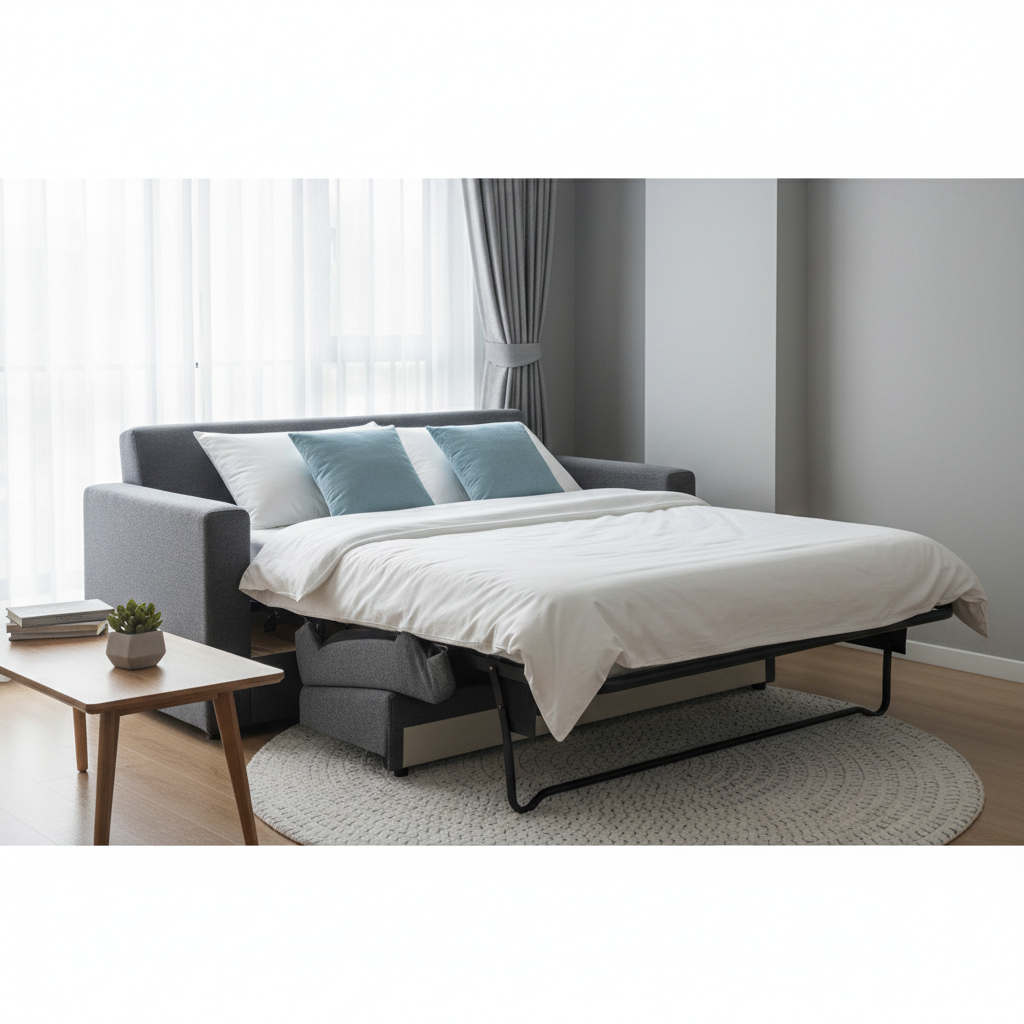
Key Features to Consider for the Ideal Small-Space Sofa Bed
When you're trying to furnish a small space, every square inch counts. A folding sofa bed is often the perfect solution, acting as a comfortable seating area by day and a cozy bed by night. However, not all sofa beds are created equal, especially when dealing with limited room. Understanding the key features that make a sofa bed suitable for compact living is the first step toward making a smart choice.
Compact & Armless Designs
One of the most significant space-saving features you can find in a sofa bed is an armless design. Traditional sofas have bulky arms that can add several inches to the total width without contributing any extra seating or sleeping space. In a tight spot, like a studio apartment, a home office, or a narrow living room, those inches matter. An armless sofa bed presents a sleek, streamlined profile that can be tucked into corners or against walls more efficiently, maximizing your usable floor area.
This design choice isn't just about fitting into a smaller footprint; it's also about visual openness. Armless furniture creates the illusion of more space because it doesn't create harsh vertical lines that visually box in an area. This makes the entire room feel larger and more inviting. Furthermore, when the sofa is converted into a bed, the lack of arms often means less obstruction for the sleeper, providing a more comfortable and less confined sleeping experience.
Lightweight & Easy-to-Move Frames
In a small living space, furniture often needs to be rearranged to accommodate different activities. You might need to push your sofa bed against a wall to make room for a yoga mat or move it slightly to clean underneath. This is where a lightweight frame becomes incredibly valuable. Heavy, cumbersome sofa beds can be a major hassle, making you less likely to adapt your space as needed. Look for models constructed with materials like lightweight steel, aluminum, or sustainable woods like pine.
Portability is a practical feature that enhances the multi-functionality of your furniture. A lighter sofa bed is not only easier to move for cleaning but also simpler to reposition when you have guests or want to change the layout of your room. Some models even come with discreet wheels or gliders on the legs to make moving them nearly effortless, a small detail that can make a big difference in daily convenience.
Simple Conversion Mechanisms
The primary function of a sofa bed is its ability to transform. If that transformation process is complicated, difficult, or requires more than one person, the furniture loses much of its appeal. For small spaces, where you might be converting the bed daily, a simple and smooth mechanism is essential. The most common and user-friendly type for compact models is the "click-clack" mechanism. This design allows you to push the backrest forward until you hear a "click," then lay it flat to form a sleeping surface. It's a quick, one-person job.
Another popular option is the pull-out or futon-style frame. These are also designed for ease of use, typically involving unfolding a frame or pulling a section forward. The best mechanisms operate smoothly without jamming or requiring excessive force. A hassle-free conversion process ensures that you'll actually use the furniture for both of its intended purposes, rather than avoiding the trouble of changing it from a sofa to a bed.
Built-in Storage Solutions
In the quest to maximize small-space living, dual-purpose furniture is a game-changer. A folding sofa bed with built-in storage is the ultimate multi-tasker. Many designs feature a hidden compartment underneath the seat cushions, accessible by lifting the seat base. This concealed storage is the perfect place to keep bedding, pillows, and blankets, eliminating the need for a separate linen closet or chest.
By integrating storage directly into the sofa, you reclaim valuable square footage that would otherwise be occupied by another piece of furniture. This feature is particularly useful in studio apartments where every item needs to have a purpose—and preferably more than one. It helps keep your space tidy and uncluttered, as all the sleeping essentials can be tucked away neatly out of sight during the day.
Versatile Mattress Types
The comfort of a sofa bed, both for sitting and sleeping, largely depends on its mattress. For compact folding models, you'll typically encounter two main types: an integrated foam mattress (similar to a futon) or a separate, thinner mattress. Integrated designs, often found in click-clack models, use high-density foam that serves as both the seat cushion and the sleeping surface. These are firm and supportive, which many people prefer, but can sometimes feel too hard for side sleepers.
Other pull-out styles might have a thinner memory foam or innerspring mattress that unfolds from within the frame. These can sometimes offer a more traditional bed-like feel but may be less thick than a standard mattress. When choosing, consider the primary use. If it will be used as a bed frequently, investing in a model with a high-quality memory foam or hybrid mattress can significantly improve sleep quality. For occasional guest use, a standard high-density foam model is often perfectly adequate.
Durable, Low-Maintenance Upholstery
A sofa bed is a high-traffic piece of furniture. It's used for sitting, lounging, and sleeping, so its fabric needs to be up to the task. In a small space, spills and wear are often more noticeable. Choosing a durable and easy-to-clean upholstery is crucial for longevity. Microfiber is an excellent choice as it is soft, stain-resistant, and can be easily cleaned with a damp cloth. Tightly woven polyester or linen blends are also very durable and hold up well to frequent use.
Consider the color and pattern as well. While light colors can make a small space feel bigger, they also show dirt more easily. A medium-toned neutral, like a gray, charcoal, or taupe, can be more forgiving. Some sofa beds even come with removable, machine-washable covers, which is the ultimate convenience for keeping your furniture looking fresh and new over the long term.
The Rise of Multi-Functional Furniture in Modern Living
The concept of convertible or multi-functional furniture is not new, but its popularity has surged in recent decades due to fundamental shifts in how and where we live. The primary driver has been increasing urbanization. As more people move to cities, the demand for housing has led to smaller and more expensive living spaces, such as micro-apartments, studios, and compact condos. In these environments, traditional, single-purpose furniture is often too bulky and impractical. This necessity for efficiency sparked a revolution in furniture design.
Designers began looking to historical and international influences for inspiration. The Japanese futon, a simple, foldable mattress, provided a blueprint for minimalist sleeping solutions. Similarly, Scandinavian design principles, which emphasize functionality, simplicity, and clean lines, heavily influenced the aesthetics of modern space-saving furniture. The result was a new generation of furniture that wasn't just about saving space, but about smart, adaptable living. The sofa bed evolved from a clunky, uncomfortable afterthought into a stylish, cleverly engineered centerpiece of the modern home.
Common Questions About Choosing and Using a Folding Sofa Bed
How Do I Properly Measure My Space for a Sofa Bed?
Measuring for a sofa bed involves more than just checking if it will fit in its designated spot. You need to account for both its dimensions as a sofa and as a fully extended bed. First, measure the length, width, and height of the area where the sofa will sit. Use painter's tape to mark the footprint on the floor to get a real-world sense of how much space it will occupy.
Next, and most importantly, find the "open" or "extended" dimensions of the sofa bed. Measure that footprint out from the wall to ensure you have enough clearance. You should leave at least 1-2 feet of walking space around the bed when it's open to avoid a cramped and unusable room. Finally, don't forget to measure your home's entry points. Check the width of your doorways, hallways, and any tight corners in stairwells to make sure the packaged sofa bed can be delivered into the room without any issues.
What Are the Main Types of Sofa Bed Mechanisms?
Understanding the mechanism is key to finding a sofa bed that fits your lifestyle. The three most common types are click-clack, pull-out, and futon frames. The Click-Clack mechanism is the simplest, typically found on armless sofa beds. The backrest is hinged and can be pushed forward until it "clicks," allowing it to be laid flat to align with the seat, forming a bed. Its main advantage is speed and simplicity, though the seam between the two cushions can sometimes be felt.
A Pull-Out mechanism houses a folded mattress and frame inside the body of the sofa. To convert it, you typically remove the seat cushions and pull a handle to unfold the bed frame. These often feel more like a traditional bed because they use a separate mattress. However, they can be heavier and the mattresses are often thinner to allow for folding. Lastly, the classic Futon consists of a separate mattress that sits on a convertible frame. The frame itself can be folded or flattened, making it a straightforward and often affordable option. The mattress and frame are distinct, allowing you to upgrade the mattress for better comfort.
Can a Folding Sofa Bed Be Comfortable Enough for Everyday Use?
Absolutely, but comfort largely depends on the quality of its construction and mattress. If you plan to use the sofa bed as your primary sleeping surface, you should prioritize the mattress above all else. Look for models that feature a thick, high-density foam, memory foam, or a latex mattress. These materials provide better support and pressure relief than traditional cotton batting or thin innerspring coils, preventing you from feeling the frame underneath.
Another way to significantly boost comfort is by adding a separate mattress topper. A 2-3 inch memory foam or down-alternative topper can transform a firm sofa bed into a plush and comfortable bed, smoothing over any seams or lumps. Also, pay attention to the support structure. A frame with wooden slats provides better, more even support than a trampoline-style mesh base, contributing to a more restful night's sleep.
Conclusion
Choosing the best folding sofa bed for a small space is about finding the right balance of size, function, and comfort. By focusing on key features like armless designs, simple conversion mechanisms, and multi-purpose additions like built-in storage, you can find a piece that truly enhances your living area. Always remember to measure your space meticulously, considering both the sofa and bed dimensions. Ultimately, the ideal choice will seamlessly integrate into your home, serving as a stylish sofa by day and a comfortable bed by night, proving that you don't need a large space to live well.
For further reading and inspiration on small-space living and furniture selection, you may find these resources helpful: