Discover the Top Food Triggers for Colitis Flare-Ups
Discover common colitis food triggers that might impact your daily comfort. From spicy foods to dairy products, learn how these triggers could potentially affect colitis. While not every individual experiences the same triggers, identifying possible food contributors can offer valuable insights.
Understanding Colitis and Its Dietary Impacts
Colitis is a form of inflammatory bowel disease (IBD) that can cause inflammation and ulcers in the colon. For those living with colitis, managing diet can be a crucial strategy for alleviating symptoms. A balanced diet tailored to individual triggers can significantly improve quality of life.
A key approach is identifying and avoiding specific food triggers that may exacerbate the condition. This involves both understanding common food triggers and recognizing that individual responses can vary.
What Are Common Colitis Food Triggers?
Food triggers vary significantly among individuals, but there are common culprits known to potentially worsen symptoms of colitis.
- Dairy Products: Many individuals with colitis experience lactose intolerance, leading to dairy products aggravating symptoms like bloating and diarrhea.
- High-Fiber Foods: While fiber is an essential part of a healthy diet, certain high-fiber foods such as raw fruits, vegetables, and whole grains can irritate the colon during flare-ups.
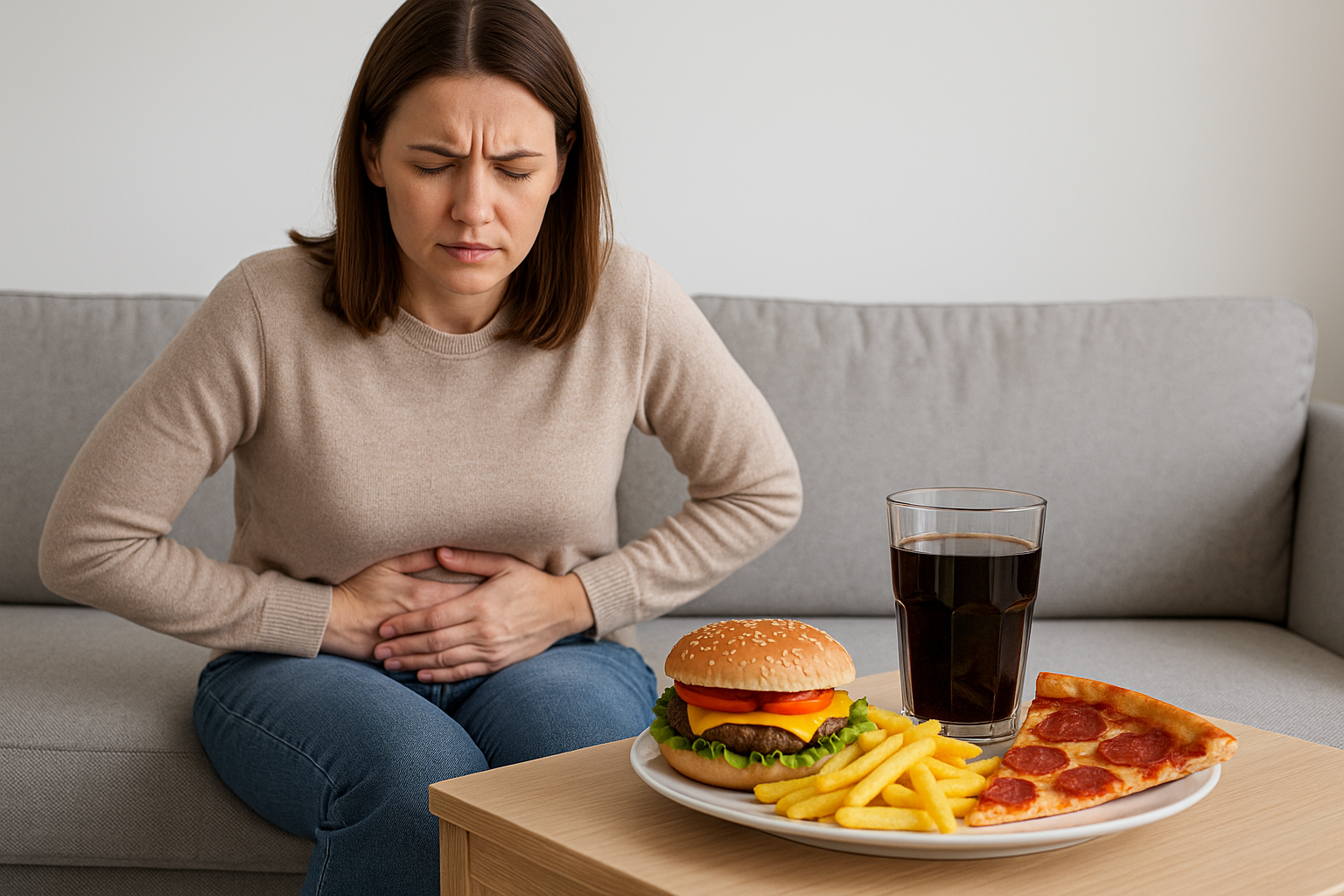
- Carbonated Drinks and Alcohol: These beverages are often reported to increase bloating and discomfort.
- Fried and Fatty Foods: High-fat foods can be difficult to digest and may trigger digestive distress in individuals with colitis.
- Caffeinated Beverages: Coffee, tea, and colas may increase diarrhea and upset stomach.
Why Do These Foods Trigger Colitis Symptoms?
The connection between diet and colitis symptoms is complex. Dairy can cause issues due to lactose inability to fully digest, leading to gas and diarrhea. High-fiber foods can be harsh on an inflamed colon, especially during active flare-ups.
Fatty and fried foods take longer to digest, increasing the workload on the digestive system. Similarly, caffeine is a stimulant that can exacerbate symptoms like urgency and diarrhea.
Recent Studies and Findings (2026)
Recent research has continued to explore the impact of diet on colitis. A 2026 study published in the Journal of Gastroenterology indicated that a low-FODMAP diet could help reduce symptoms in some patients. The study noted marked improvements in symptom control over a 12-week period.
[Source: Journal of Gastroenterology]
Moreover, an analysis conducted by Gut Microbiome 2026 explored the role of dietary patterns on gut health in colitis patients. Findings discussed the potential benefits of omega-3 fatty acids in lessening inflammation.
[Source: Gut Microbiome 2026]
How to Identify Personal Food Triggers?
While some foods are common triggers, individual responses can differ significantly. Keeping a food diary can be an effective method to pinpoint personal triggers.
In the food diary:
- Note all foods and drinks consumed.
- Record any symptoms encountered and their severity.
- Identify patterns over time that correlate diet with symptom flare-ups.
Working with Healthcare Professionals
Besides keeping a food diary, consulting with healthcare professionals such as dietitians can provide personalized insights. They can aid in tailoring a nutrition plan that not only addresses colitis symptoms but also maintains essential nutrient intake.
Building a Colitis-Friendly Diet
A colitis-friendly diet focuses on minimizing triggers while ensuring nutritional adequacy. Some general dietary tips include:
- Cooked Vegetables: Opt for cooked over raw to make them easier on the digestive system.
- Lean Proteins: Include sources like chicken, fish, or plant-based proteins that are easier to digest.
- Healthy Fats: Incorporate small amounts of olive oil or avocado rather than butter or margarine.
- Probiotic-Rich Foods: Consider yogurt with live cultures that may enhance gut health.
Example Meal Plan for Colitis Management
Here’s an example of how you might structure daily meals:
- Breakfast: Scrambled eggs with spinach, served with oatmeal made from almond milk.
- Lunch: Grilled chicken salad with cooked vegetables and a vinaigrette dressing.
- Snack: Probiotic yogurt with a banana.
- Dinner: Baked salmon with a side of quinoa and roasted carrots.
Conclusion
Managing colitis effectively requires a mindful approach to diet. By recognizing and avoiding personal food triggers, individuals can reduce symptoms and improve their overall well-being. As research evolves, continued adaptation and consultation with healthcare professionals will be essential in tailoring effective dietary strategies for colitis management.