Discover the Top Foundations That Enhance Aging Skin
The search for a foundation that works beautifully on aging skin ends here. A great formula should hydrate and smooth your complexion without settling into fine lines or looking heavy.
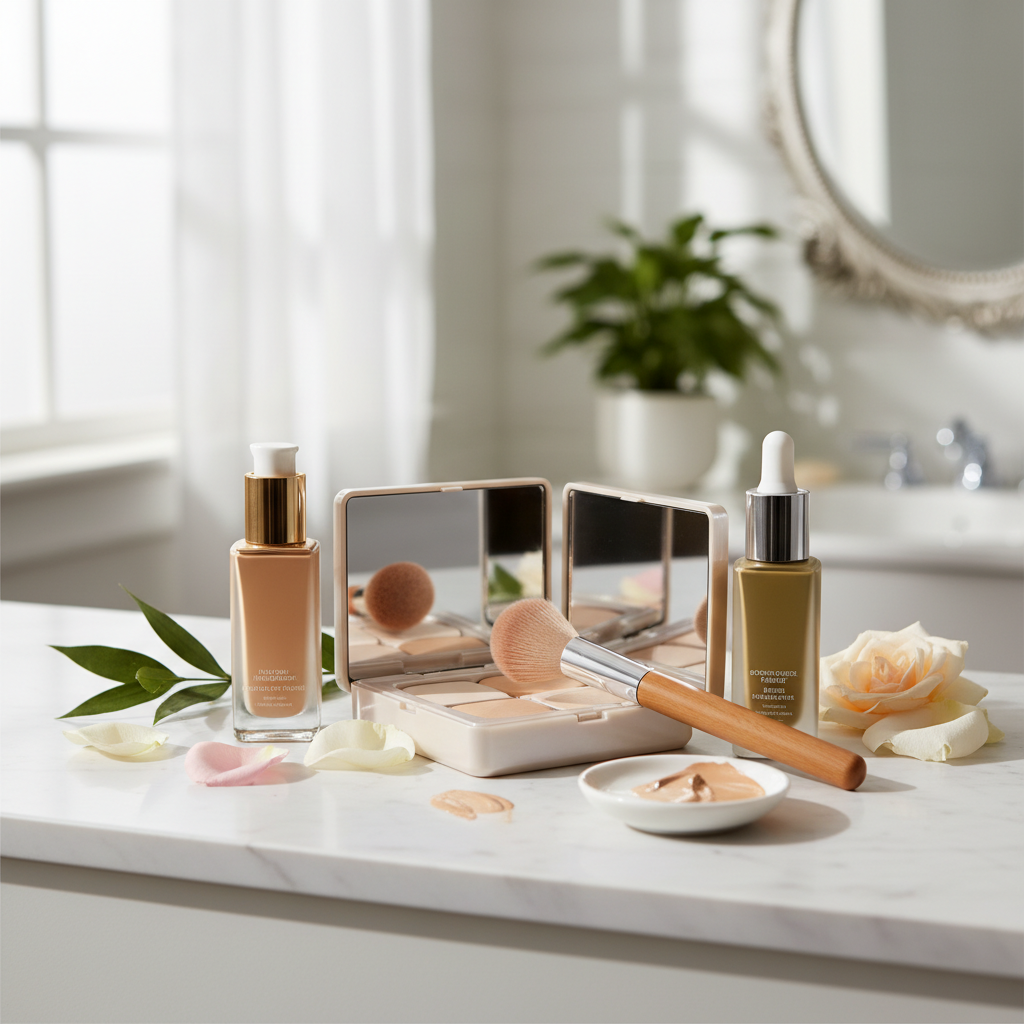
Key Features to Look for in a Foundation for Mature Skin
As skin matures, its needs change dramatically. The foundation that worked wonders in your twenties might now accentuate the very things you'd prefer to soften. The goal is no longer about heavy coverage but about enhancing your natural skin, providing a healthy glow, and evening out tone without settling into fine lines. Finding the right foundation involves looking for specific formulas and ingredients designed to hydrate, plump, and illuminate.
1. Hydrating Ingredients are Non-Negotiable
One of the most significant changes in aging skin is a decrease in natural oil production and moisture retention, leading to dryness and dehydration. A foundation packed with hydrating ingredients can counteract this, making the skin look plumper and more youthful. Look for hero ingredients like hyaluronic acid, a powerful humectant that can hold up to 1,000 times its weight in water. This helps to draw moisture into the skin, giving it a supple, bouncy feel throughout the day.
Other fantastic hydrators to watch for are glycerin, squalane, and ceramides. Glycerin acts similarly to hyaluronic acid, pulling moisture from the air into the skin's outer layer. Squalane is an emollient that mimics the skin's natural oils, providing excellent moisture without feeling greasy. Ceramides help to fortify the skin's natural barrier, locking in moisture and protecting it from environmental stressors. A foundation with these ingredients acts as both makeup and skincare, actively improving your skin's condition while you wear it.
2. Luminous or Dewy Finishes for a Youthful Glow
Matte foundations, which were once popular for controlling oil, can be incredibly unforgiving on mature skin. They tend to absorb light and can make the skin appear flat, dry, and older. Worse, their texture can often settle into and emphasize fine lines and wrinkles. Instead, opt for foundations with a luminous, radiant, or dewy finish. These formulas contain subtle, light-reflecting particles that bounce light off the skin, creating a soft-focus effect that blurs imperfections and imparts a healthy, youthful glow.
This "lit-from-within" look mimics the natural radiance of healthy, hydrated skin. It helps to visually smooth the skin's texture and detracts from unevenness. Don't confuse "dewy" with "greasy" or "glittery." A well-formulated radiant foundation provides a sophisticated sheen that makes the skin look alive and vibrant, not oily. It's about creating dimension and life on the face, which can diminish as skin loses its natural luminosity over time.
3. Lightweight, Serum-Like Formulas
The cardinal rule for foundation on aging skin is to avoid anything too thick or heavy. Heavy, full-coverage foundations are often the main culprits for a "cakey" look. They create a mask-like layer that can crack and crease with facial movements, settling directly into expression lines around the eyes and mouth. This is why lightweight liquid or serum foundations have become the gold standard for mature skin. Their fluid consistency allows them to meld seamlessly with the skin rather than sitting on top of it.
These formulas feel comfortable and breathable, offering a more natural, skin-like finish. They provide enough pigment to even out skin tone and conceal minor redness or discoloration but are sheer enough to let your real skin show through. This approach enhances your complexion instead of masking it entirely, which is a much more modern and flattering look.
4. Buildable Coverage for Versatility
While a lightweight formula is key, that doesn't mean you have to sacrifice coverage where you need it. The best foundations for aging skin offer buildable coverage. This means you can start with a very sheer layer all over your face to even things out and then apply a little extra product only in specific areas that need more attention, such as around the nose, on age spots, or over broken capillaries. This targeted approach prevents you from applying a thick layer of makeup all over, which can look unnatural.
Using a foundation with buildable coverage gives you complete control. You can achieve a very natural, "no-makeup makeup" look for everyday wear or build it up for a more polished finish for special occasions. This versatility is crucial, as it allows you to adapt your makeup to your skin's needs on any given day without having to own multiple products.
5. Skincare-Infused Benefits
Today's foundation formulas are more advanced than ever, often doubling as skincare treatments. For mature skin, this is a huge advantage. Look for foundations that are infused with beneficial ingredients that protect and improve your skin over time. A broad-spectrum SPF of 30 or higher is one of the most important additions. Daily sun protection is the number one anti-aging strategy, and having it in your foundation adds a crucial layer of defense against further sun damage.
Beyond SPF, many formulas now include powerful antioxidants like Vitamin C and Vitamin E, which help protect the skin from free radical damage caused by pollution and UV rays. Some even contain peptides, which are amino acids that can help stimulate collagen production, leading to firmer-looking skin over the long term. Choosing a foundation with these added benefits means your makeup is actively working for you all day long.
Understanding How Skin Changes with Age
To choose the best foundation, it's helpful to understand the fundamental changes happening within the skin over time. As we age, the production of collagen and elastin—the proteins responsible for skin's firmness and elasticity—slows down significantly. This structural change leads to skin that is less firm and more prone to the formation of fine lines and wrinkles. The skin also becomes thinner and more delicate, making it more susceptible to damage.
Simultaneously, the sebaceous glands produce less oil, which can disrupt the skin's natural moisture barrier. This leads to chronic dryness and a rougher texture. Cell turnover also slows, meaning dead skin cells don't shed as efficiently, which can contribute to a dull, lackluster appearance. Furthermore, years of sun exposure can result in hyperpigmentation, such as age spots or sun spots, creating an uneven skin tone. The right foundation works to address these concerns by hydrating, smoothing, and evening out tone without exacerbating texture or dryness.
Common Questions About Foundation for Aging Skin
How Do You Properly Apply Foundation on Mature Skin?
Application technique is just as important as the product itself. The first step is always proper skin preparation. Start with clean, well-moisturized skin. Applying a hydrating serum or moisturizer and letting it absorb for a few minutes creates a smooth, plump canvas for your foundation. This prevents the makeup from clinging to dry patches.
When it comes to application tools, a damp makeup sponge or a stippling brush often yields the best results. These tools help to press the foundation into the skin for a seamless, airbrushed finish, whereas fingers can sometimes pull at delicate skin and lead to uneven application. Start with a small amount of product in the center of your face (around the nose and on the cheeks) and blend it outwards. Use a light hand and sheer layers; it's always easier to add more product than to take it away. Finally, set your foundation with a very light dusting of a finely milled translucent powder, focusing only on areas that tend to get shiny, like the T-zone.
Should You Use a Primer with Foundation on Aging Skin?
Absolutely. A primer is an essential preparatory step that can make a world of difference in how foundation looks and wears on mature skin. A good primer creates a smooth barrier between your skin and the foundation, filling in fine lines, blurring the appearance of pores, and preventing the makeup from settling into creases. For aging skin, it's best to choose a primer with specific benefits.
A hydrating primer can provide an extra boost of moisture, making the skin look plump and dewy before you even apply foundation. A blurring or silicone-based primer can create an incredibly smooth surface, minimizing the look of wrinkles and texture. There are also illuminating primers that contain light-reflecting pigments to enhance radiance and give the skin a glow from beneath the foundation. Using a primer not only improves the final look but also helps your makeup last longer throughout the day.
Final Considerations
Choosing the best foundation for aging skin is less about finding a single "miracle" product and more about understanding the right features to look for. Prioritize hydration, a luminous finish, and a lightweight, buildable formula. By selecting a product that enhances your skin with skincare benefits and applying it with a gentle, thoughtful technique, you can achieve a fresh, radiant, and naturally beautiful complexion at any age.