Discover the Top Mobile Phone Cameras: A Detailed Comparison
You're searching for the phone with the best camera, and the answer isn't as simple as just looking at megapixels. We've put the latest flagships from Apple, Samsung, and Google through a head-to-head showdown to find the true champion.
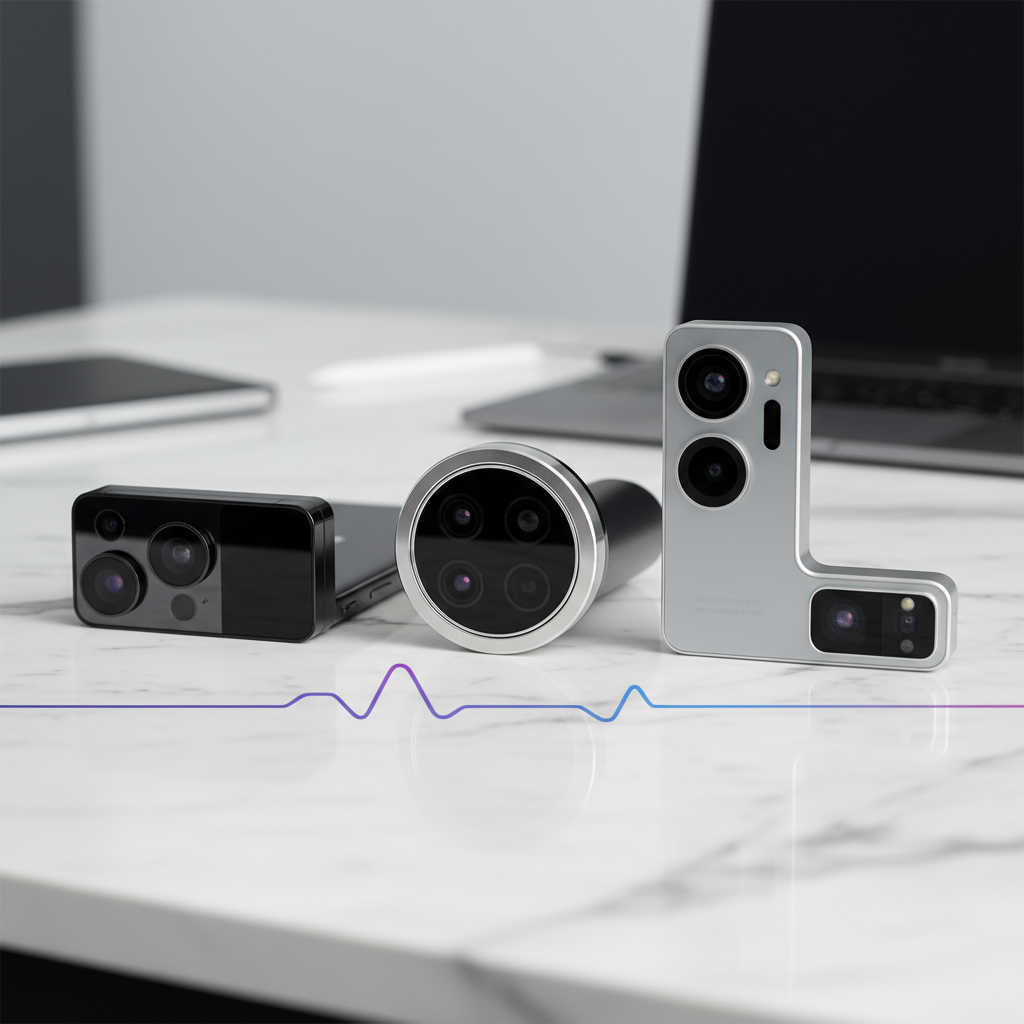
Which Mobile Phone Has The Best Camera?
In the world of smartphones, the camera has become one of the most critical battlegrounds. Manufacturers pour immense resources into developing sophisticated imaging systems that promise to turn everyday users into professional-grade photographers. But with so many technical terms, competing features, and bold marketing claims, it can be challenging to determine which mobile phone truly has the best camera. The answer often depends on what you value most: versatility, color accuracy, video capabilities, or cutting-edge software features.
This guide breaks down the top contenders in the smartphone camera space, exploring their unique strengths and what makes them stand out from the competition. We'll look at the flagships from the biggest names in the industry to help you understand which device might be the perfect photographic companion for you.
Top Contenders for the Best Smartphone Camera
While many phones offer excellent cameras, a few consistently rise to the top in expert reviews and user feedback. These devices represent the pinnacle of mobile photography today, each with a distinct approach to capturing the perfect shot.
Apple iPhone 15 Pro Max
The iPhone has long been celebrated for its consistency and reliability, and the iPhone 15 Pro Max continues this legacy. Apple’s philosophy is to make photography effortless, delivering stunning results with minimal user intervention. The camera system is known for its exceptional color science, which produces images that are vibrant yet true-to-life. The main 48MP sensor captures incredible detail, and its Smart HDR 5 processing excels at balancing bright highlights and deep shadows in challenging lighting conditions. This makes it a fantastic "point-and-shoot" device that you can trust to get a great photo in almost any situation.
Where the iPhone 15 Pro Max truly shines is in its ecosystem and video capabilities. It introduced a new 5x tetraprism telephoto lens, offering a 120mm equivalent focal length for clean, detailed shots of distant subjects. For videographers, the iPhone is arguably the king. It shoots beautiful 4K video with cinematic stabilization, and professional features like ProRes and the new Log video profile provide incredible flexibility for color grading in post-production. This combination of user-friendly still photography and professional-grade video makes it an all-around powerhouse.
Samsung Galaxy S24 Ultra
If versatility is your top priority, the Samsung Galaxy S24 Ultra is nearly impossible to beat. Its camera system is a spec-sheet dream, headlined by a massive 200MP main sensor. While you can shoot in full resolution for maximum detail, it typically uses pixel binning to produce bright, sharp 12MP images. Samsung’s image processing tends to favor a more vibrant, saturated look, which many users find immediately pleasing and ready for social media. The real star of the show, however, is its zoom system.
The S24 Ultra features two separate telephoto lenses: a 3x optical zoom and a powerful 5x optical zoom lens that leverages a 50MP sensor. This hardware, combined with sophisticated AI-powered processing, allows for incredible "Space Zoom" capabilities, delivering usable photos at up to 100x magnification. No other phone can get you this close to the action. Furthermore, Samsung has integrated a suite of "Galaxy AI" editing tools, allowing users to move or remove objects, expand backgrounds, and remaster photos with a simple tap, adding another layer of creative control after the shot is taken.
Google Pixel 8 Pro
Google’s Pixel phones have always been about the magic of software, and the Pixel 8 Pro is the ultimate expression of this philosophy. While its camera hardware is excellent, its real advantage lies in computational photography. Google's AI and machine learning algorithms work behind the scenes to process images in a way that produces breathtaking dynamic range, clarity, and color accuracy. It's particularly adept in difficult lighting, where its Night Sight mode can pull a bright, clean image out of near darkness.
The Pixel 8 Pro is packed with unique software features that you won't find anywhere else. "Best Take" lets you swap faces in a group photo to ensure everyone is smiling with their eyes open. "Magic Editor" is an even more advanced version of the Magic Eraser, allowing you to resize, move, or erase objects and people from your photos seamlessly. For users who want the smartest camera—one that fixes problems and delivers jaw-dropping results automatically—the Pixel 8 Pro is the clear winner. It consistently produces photos that look like they've been professionally edited, right out of the camera.
Xiaomi 14 Ultra
For photography enthusiasts who crave manual control and a distinct artistic flair, the Xiaomi 14 Ultra presents a compelling alternative. Co-developed with the legendary camera company Leica, this phone is built around a massive 1-inch type main sensor—the largest found in any mainstream smartphone. This enormous sensor allows it to capture an incredible amount of light and detail, producing images with a natural depth of field (background blur) that mimics a dedicated DSLR or mirrorless camera.
The standout feature of the main camera is its variable aperture, which can switch between f/1.63 and f/4.0. This gives photographers precise control over depth of field, something unheard of on most other phones. The Leica partnership also influences the color science, offering two distinct modes: "Leica Authentic" for a classic, true-to-life look, and "Leica Vibrant" for a more expressive, punchy style. Paired with a comprehensive pro mode and excellent telephoto lenses, the Xiaomi 14 Ultra is less of a simple point-and-shoot and more of a powerful photographic tool for those who love to tinker with settings.
Understanding What Makes a Smartphone Camera 'Great'
Beyond brand names, several key technical elements determine the quality of a smartphone camera. Understanding these can help you look past the marketing hype and focus on what truly matters for your photography needs.
Sensor Size and Megapixels
For years, manufacturers were locked in a "megapixel race," with each trying to one-up the other with a higher number. While more megapixels can allow for more detail and better cropping, the physical size of the camera sensor is far more important. A larger sensor has larger individual pixels, which can capture more light. This directly translates to better performance in low-light conditions, less digital noise (graininess), and a wider dynamic range (more detail in the brightest and darkest parts of the image).
Aperture
Aperture refers to the opening in the lens through which light passes to reach the sensor. It's measured in f-stops (e.g., f/1.7, f/2.0). A lower f-stop number means a wider opening, which allows more light to enter. This is crucial for low-light photography, as it enables the camera to use a faster shutter speed to prevent motion blur and a lower ISO to reduce noise. A wide aperture also creates a shallower depth of field, which is responsible for the pleasing background blur (or "bokeh") seen in portrait shots.
Software and Computational Photography
The physical hardware is only half of the equation. Modern smartphone photography relies heavily on software and image processing. When you press the shutter button, the phone's Image Signal Processor (ISP) and advanced algorithms get to work. This is the world of computational photography, where the phone takes data from the sensor (and often from multiple frames) and uses AI to combine them into a final, superior image. Features like HDR (High Dynamic Range), Night Mode, and Portrait Mode are all products of this powerful software, which can overcome the physical limitations of a small smartphone lens and sensor.
Key Camera Features Explained
As you compare different camera phones, you'll encounter a variety of terms and features. Here's a breakdown of some of the most important ones and what they mean for your pictures.
What is the difference between optical and digital zoom?
This is one of the most critical distinctions in smartphone camera technology. Optical zoom uses the physical movement of glass lenses to magnify a subject, just like a traditional camera lens. This method preserves image quality because you are genuinely getting optically closer to your subject. A phone with a 5x optical zoom lens will produce a clean, sharp image at that magnification.
Digital zoom, on the other hand, is not true zoom. It simply takes a portion of the image from the main sensor and crops into it, then uses software to enlarge it. This process inevitably leads to a significant loss of detail and sharpness, resulting in a pixelated or blurry image. Many phones now use "hybrid zoom," which combines data from an optical telephoto lens with sophisticated software to clean up the image and deliver better quality than pure digital zoom, but it still falls short of true optical quality at extreme ranges.
Does the number of megapixels really matter?
The importance of megapixels is often overstated. For most everyday uses, like viewing photos on a phone screen or sharing on social media, a 12-megapixel image is more than sufficient. A higher megapixel count (like 50MP, 108MP, or 200MP) is primarily useful for two things: making very large prints or allowing you to heavily crop into a photo without losing too much detail.
Many high-megapixel phones use a technique called "pixel binning." They group clusters of tiny pixels (for example, 16 pixels) on the sensor and have them act as one single, larger "super-pixel." This process combines the light data from all those pixels, resulting in a brighter, cleaner final image (typically 12MP or 12.5MP) with better low-light performance. So, while the sensor may be 200MP, the standard photo you take is much smaller and optimized for quality over sheer resolution.
Conclusion
There is no single, definitive answer to "which mobile phone has the best camera?" The best choice depends entirely on your personal priorities and shooting style. The Apple iPhone 15 Pro Max is the champion of reliability and video, delivering consistently excellent results with ease. The Samsung Galaxy S24 Ultra is the master of versatility, offering an unparalleled zoom system and creative AI tools. The Google Pixel 8 Pro is the wizard of computational photography, using software to create stunning, true-to-life images that often defy the hardware's limitations. Finally, the Xiaomi 14 Ultra appeals to the photography enthusiast who wants DSLR-like control and a massive sensor for artistic expression. By understanding the unique strengths of each device, you can choose the camera that will best help you capture your world.