Discover the Top Rated Male Intimate Health Devices: A Comprehensive Guide for Wellness and Confidence
Navigating the world of male intimate health devices can feel overwhelming, with a lot of new technology and options to consider. We've simplified the process by researching and comparing the most effective devices available today based on user reviews, core technology, and real-world results.
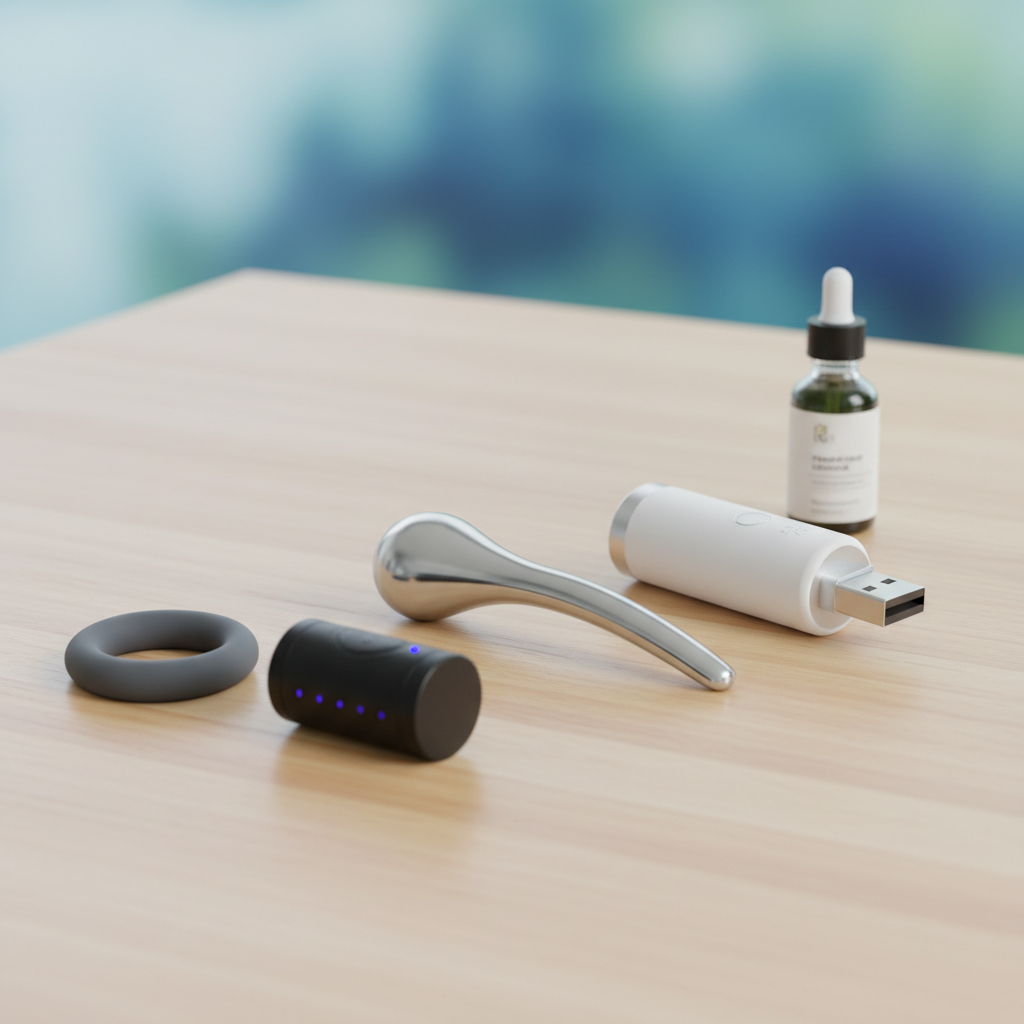
Exploring the Leading Categories in Male Intimate Wellness
In recent years, the conversation around male intimate health has expanded significantly, moving beyond simple solutions to embrace technology and a deeper understanding of physiology. A variety of devices have emerged, each designed to address different aspects of sexual wellness, from blood flow and muscle strength to tissue health. Understanding these categories is the first step for anyone looking to proactively manage their intimate well-being. Below are some of the top-rated types of devices making an impact in this space, explained in detail.
1. Acoustic Wave Therapy Devices
Acoustic wave therapy, also known as low-intensity shockwave therapy (LiSWT), is a technology that has moved from clinical settings into at-home applications. These devices use high-frequency, low-intensity sound waves to stimulate the targeted tissue. The primary mechanism is believed to be the promotion of neovascularization—the formation of new blood vessels. By applying these acoustic waves to the penile tissue, the devices aim to improve blood flow, which is a fundamental component of erectile function. The process is non-invasive and is thought to also help break down micro-plaque that can accumulate in blood vessels over time, further enhancing circulation.
Users typically follow a protocol that involves applying the device for a set number of minutes several times a week. The goal is not immediate results but gradual, long-term improvement in vascular health. The technology is based on the body's natural healing response. When the sound waves create micro-trauma in the tissue, the body responds by sending growth factors and stem cells to the area, repairing and rejuvenating blood vessels and surrounding tissue. This makes it a popular choice for men seeking a restorative rather than a temporary solution to intimate health concerns.
2. Pelvic Floor Trainers (Kegel Exercisers)
While often associated with female health, pelvic floor strength is equally crucial for men. The pelvic floor muscles support the bladder and bowel and play a vital role in sexual function, including erectile rigidity and ejaculatory control. Male pelvic floor trainers, or Kegel exercisers, are designed to help men effectively identify and strengthen these muscles. Many modern devices are tech-driven, connecting to smartphone apps via Bluetooth. These apps provide guided exercises, track progress, and use biofeedback to ensure the user is contracting the correct muscles.
These trainers often take the form of a small, discreet sensor or pad that provides real-time feedback on muscle contractions. The gamified approach in many apps makes the process of performing Kegels more engaging and consistent. By strengthening the bulbocavernosus and ischiocavernosus muscles, men may experience improved control and stronger, more sustainable erections. Regular training can also contribute to better bladder control, making these devices beneficial for overall pelvic health beyond just sexual performance.
3. Red Light Therapy Devices
Red light therapy (RLT) is another technology that has gained traction in the wellness industry for its potential therapeutic benefits. These devices use specific wavelengths of red and near-infrared light to penetrate the skin and stimulate cellular activity. The core principle is that this light energy is absorbed by mitochondria, the powerhouses of cells, leading to increased production of adenosine triphosphate (ATP). ATP is the primary energy currency of the cell, and boosting its production can enhance cellular repair, reduce inflammation, and improve circulation.
When applied to the intimate area, RLT devices are intended to support tissue health and improve local blood flow. The gentle, warming effect of the light can also promote relaxation. Devices designed for this purpose are typically shaped for easy and safe application. Proponents suggest that consistent use can lead to healthier tissue, improved nerve sensation, and enhanced vascular function over time. It's a non-invasive approach that focuses on supporting the body's cellular health from the ground up.
4. Vacuum Erection Devices (VEDs)
Vacuum erection devices are one of the most established and medically recognized mechanical aids for erectile dysfunction. A VED consists of a plastic cylinder, a pump (either manual or battery-powered), and a constriction ring. The cylinder is placed over the penis, and the pump is used to create a vacuum seal, which draws blood into the penis, causing an erection. Once an erection is achieved, the constriction ring is slipped onto the base of the penis to maintain it by preventing blood from flowing back out.
These devices are effective for creating an on-demand erection and are often recommended by urologists. Beyond immediate use, VEDs are also used as a therapeutic tool for penile rehabilitation, particularly after prostate surgery. Regular, non-sexual use (without the constriction ring) can help stretch the tissues and improve oxygenated blood flow, which may help prevent tissue atrophy and maintain healthy function over time. They are a straightforward, non-pharmacological option that addresses the mechanical aspect of erections directly.
The Science Behind Modern Male Intimate Wellness Tech
The evolution of male intimate health devices reflects a significant shift in our understanding of sexual wellness. Early solutions were almost purely mechanical, like the vacuum erection device, which was patented over a century ago. These tools were effective but focused solely on producing a physical result on demand. The modern landscape is vastly different, driven by advancements in biotechnology, personal electronics, and a more holistic view of health that emphasizes restoration and long-term improvement over temporary fixes.
Today's devices are rooted in physiological principles such as enhancing blood flow, promoting tissue regeneration, and strengthening key muscle groups. Technologies like acoustic wave therapy and red light therapy, for instance, are based on the concept of bio-stimulation—using external energy sources to trigger the body's innate healing and repair mechanisms at a cellular level. Similarly, smart pelvic floor trainers leverage biofeedback, a concept used in physical therapy for decades, to make exercises more precise and effective. This transition from purely mechanical aids to sophisticated, science-backed wellness tools marks a new era in how men can proactively manage and improve their intimate health.
Understanding Key Aspects of Male Intimate Health
How Does Blood Flow Impact Erectile Health?
Blood flow is the cornerstone of erectile function. An erection is fundamentally a vascular event. When a man is sexually aroused, his brain sends nerve signals to the penis, causing the smooth muscles of the corpora cavernosa (the two chambers of spongy tissue inside the penis) to relax. This relaxation allows blood to rush in and fill these chambers. As they fill with blood, they expand, compressing the veins that normally drain blood away. This trapping of blood is what creates the firmness and rigidity of an erection.
Any condition that impedes this process can lead to difficulties. Common issues include atherosclerosis (hardening of the arteries), which can narrow the blood vessels and restrict flow, and endothelial dysfunction, where the lining of the blood vessels doesn't function properly to facilitate relaxation. This is why many intimate health devices, from acoustic wave therapy to VEDs, are designed specifically to improve or mechanically assist this circulatory process. Maintaining good cardiovascular health through diet, exercise, and avoiding smoking is one of the most effective ways to support healthy blood flow for all bodily functions, including erections.
What is the Role of the Pelvic Floor in Male Sexual Function?
The pelvic floor is a complex web of muscles, ligaments, and tissues that form a supportive sling at the base of the pelvis. In men, these muscles are critical for several aspects of sexual function. The ischiocavernosus muscle, for example, helps stabilize the erect penis, while the bulbospongiosus muscle is involved in both ejaculation and pumping blood into the penis to maintain rigidity. A strong, well-conditioned pelvic floor contributes to harder erections and better control over ejaculation.
Conversely, a weak or overly tense pelvic floor can contribute to problems like erectile dysfunction and premature ejaculation. Weak muscles may struggle to compress the veins at the base of the penis effectively, allowing blood to leak out and causing the erection to soften. By performing Kegel exercises, with or without a biofeedback trainer, men can increase the strength, coordination, and endurance of these vital muscles, leading to significant improvements in both function and confidence.
Are At-Home Devices a Substitute for Professional Medical Advice?
It is crucial to understand that at-home intimate health devices are wellness tools, not medical treatments for diagnosed conditions. While they can be highly effective for supporting and improving general function, they are not a substitute for a consultation with a qualified healthcare professional, such as a urologist. Many issues related to intimate health can be symptoms of underlying medical conditions, including heart disease, diabetes, hormonal imbalances, or neurological disorders.
Using a device without understanding the root cause of an issue can be unproductive and may delay necessary medical treatment. A doctor can provide an accurate diagnosis and recommend a comprehensive treatment plan, which may or may not include the use of such devices. Therefore, it is always best to view these tools as a component of a broader health strategy. They should be used to complement, not replace, professional medical guidance and a healthy lifestyle.
Conclusion
The field of male intimate wellness has evolved to offer a diverse range of sophisticated, science-based devices. From tools that enhance blood flow through acoustic waves and red light therapy to those that build foundational strength in the pelvic floor muscles, modern technology provides numerous avenues for proactive health management. These devices represent a shift towards restorative, long-term wellness rather than simple, temporary fixes. By understanding the principles behind each category, individuals can make more informed choices. However, it remains essential to remember that these tools work best when integrated into a healthy lifestyle and used in consultation with a healthcare professional to ensure safety and address any underlying health concerns.