Discover the Top Spots to Witness Yosemite’s Stunning Sunsets
A Yosemite sunset is an unforgettable experience, but not all viewpoints are created equal. While some iconic spots are just steps from the car, others require a hike to escape the crowds for a more secluded, rewarding view.
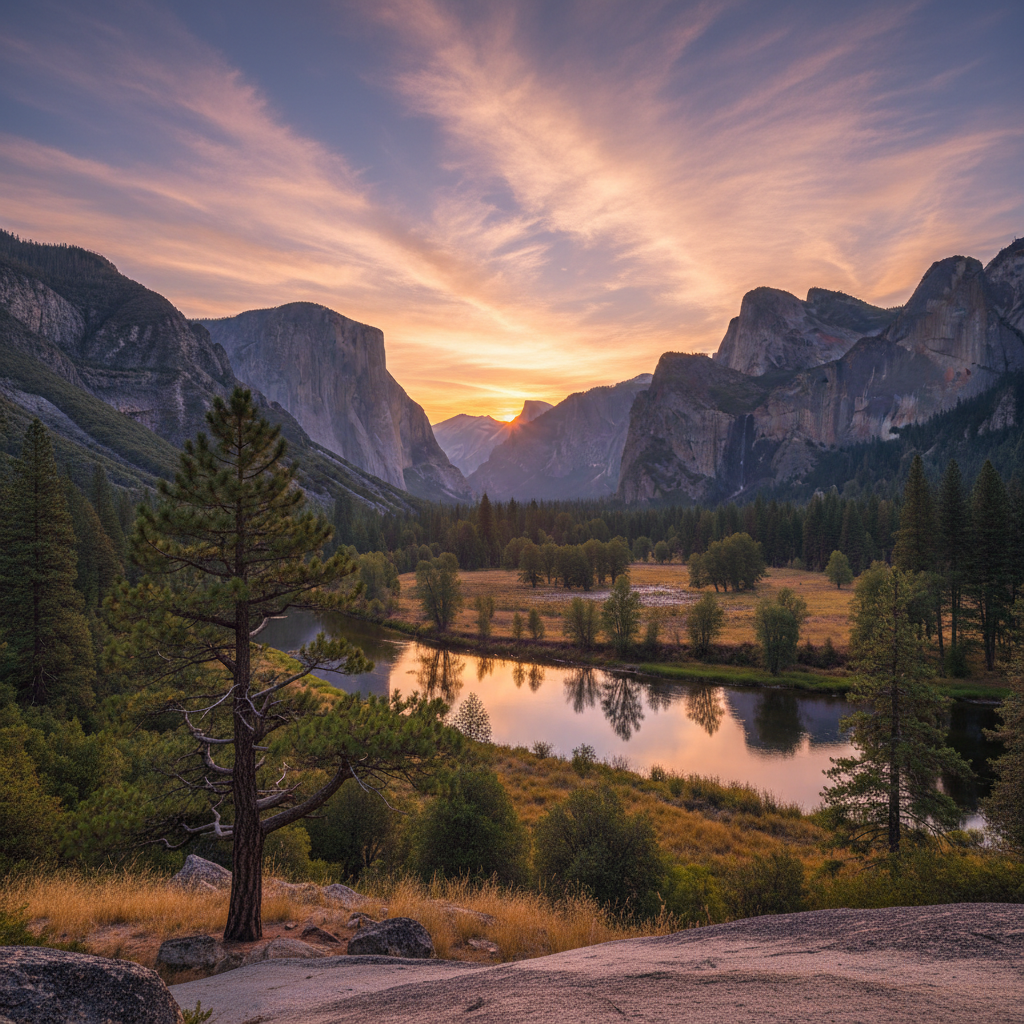
Where To See The Best Sunset In Yosemite
Yosemite National Park is a landscape of immense scale and breathtaking beauty, but it takes on a truly magical quality during the final moments of daylight. As the sun dips below the horizon, the park's iconic granite cliffs and domes are painted in a spectacular display of oranges, pinks, and purples. Finding the right vantage point to witness this daily spectacle can transform a great trip into an unforgettable one. From easily accessible overlooks to rewarding hike-in locations, Yosemite offers a sunset spot for every type of visitor.
Choosing the best location depends on what you want to see, how much effort you're willing to put in, and the time of year. Some spots offer panoramic views of the entire valley, while others provide an intimate look at a specific landmark like Half Dome or El Capitan. Below is a detailed guide to some of the most spectacular places to watch the day come to a close in Yosemite National Park.
Top Spots for an Unforgettable Yosemite Sunset
1. Glacier Point
Often considered the quintessential viewpoint in Yosemite, Glacier Point provides an unparalleled panoramic vista of Yosemite Valley, Half Dome, and the High Sierra. From this perch, nearly 3,200 feet above the valley floor, you can watch as the sun's last rays ignite the face of Half Dome in a phenomenon known as alpenglow. The granite dome turns a brilliant shade of orange and pink, a sight that has captivated photographers and visitors for generations. The view also encompasses Yosemite Falls, Vernal Fall, and Nevada Fall, making it an all-encompassing experience.
Access to Glacier Point is straightforward during the warmer months. You can drive directly to the large parking area via Glacier Point Road, making it accessible for families and those with limited mobility. However, be aware that this road is typically closed from November through May due to snow. Because of its popularity and easy access, expect significant crowds, especially on weekends. It's wise to arrive at least an hour before sunset to secure a good spot along the railing.
2. Taft Point
For those seeking a more adventurous sunset experience with dramatic, vertigo-inducing views, Taft Point is an excellent choice. Located just a short drive from Glacier Point, this spot requires a relatively easy 2.2-mile round-trip hike. The trail leads you to the rim of Yosemite Valley, where you'll find massive vertical drops and stunning, unobstructed views looking west. The main attraction here are the "fissures"—deep, narrow cracks in the granite that plummet hundreds of feet down. The sunset from Taft Point is spectacular as you watch the light fade over the valley, with the silhouette of El Capitan often visible in the distance.
The hike is mostly flat, making it manageable for most fitness levels, but it's crucial to be cautious near the unprotected cliff edges. The sense of exposure is thrilling but demands respect. Because you'll be hiking back in the dark, a headlamp or flashlight is essential for each person in your group. Like Glacier Point, Taft Point is only accessible when Glacier Point Road is open, typically from late May to November.
3. Tunnel View
Perhaps the most famous and easily accessible viewpoint in the entire park, Tunnel View is the classic postcard scene of Yosemite Valley. Located just outside the Wawona Tunnel on Highway 41, this overlook offers a breathtaking composition featuring El Capitan on the left, Bridalveil Fall on the right, and Half Dome rising majestically in the background. At sunset, the sky behind the valley often explodes with color, creating dramatic silhouettes of the granite giants. While the sun doesn't directly illuminate the faces of the cliffs from this angle, the atmospheric light and cloud formations can be truly epic.
The biggest advantage of Tunnel View is its accessibility; you can literally pull your car over and be at the viewpoint in seconds. This convenience, however, means it is almost always crowded. To get a prime spot, especially for photography, arriving early is recommended. The view here is magnificent year-round, and in winter, a dusting of snow adds another layer of beauty to the scene.
4. Sentinel Dome
If you want a 360-degree panoramic view for sunset, Sentinel Dome is hard to beat. The trailhead is located off Glacier Point Road, and the hike is a moderate 2.2-mile round trip that involves a final scramble up the granite dome itself. From the summit, you are rewarded with an incredible, unobstructed view that includes El Capitan, Yosemite Falls, Half Dome, Clouds Rest, and the vast expanse of the High Sierra. Watching the alpenglow hit Half Dome from here is a breathtaking experience, and you can simultaneously see the warm colors of the setting sun to the west.
The final ascent up the dome is steep but not technical, and the granite provides good grip when dry. The feeling of standing on top of the dome as the landscape is bathed in golden light is truly awe-inspiring. As with other hikes in this area, you'll need a headlamp for the return journey after the sun has set. Access is limited to the summer and fall months when Glacier Point Road is open.
5. El Capitan Meadow
For a completely different perspective, head down to the valley floor. El Capitan Meadow offers a stunning, low-angle view of the colossal granite monolith, El Capitan. At sunset, particularly in the late spring and early summer, the last rays of sunlight catch the top of "El Cap," bathing it in a warm, golden glow. The Merced River often flows calmly nearby, providing opportunities for beautiful reflection shots. This spot is less about seeing a fiery sky and more about witnessing the subtle play of light on one of the world's most famous rock faces.
This location is extremely easy to access, with pullouts along Northside Drive. It's a perfect spot to bring a blanket, relax, and watch the evening light show unfold. It’s also a popular spot for watching rock climbers, and you might even see their headlamps dotting the face of El Capitan as dusk settles in.
6. Sentinel Bridge
Sentinel Bridge is renowned for offering one of the most iconic and frequently photographed reflection views of Half Dome in the entire park. Located in Yosemite Valley, the bridge crosses the Merced River and provides a perfectly framed view of Half Dome with its reflection shimmering in the water below. During sunset, the light doesn't hit Half Dome directly, but the sky behind it can light up with color, creating a beautiful silhouette reflected in the river. This view is particularly stunning in the spring when the river is full and the meadows are green.
Accessibility is a major plus, as Sentinel Bridge is located near the Yosemite Chapel and has parking nearby. It's a short walk from several shuttle stops as well. Due to its fame and ease of access, the bridge itself can become very crowded with photographers. For a slightly different angle with fewer people, you can walk along the riverbank on either side of the bridge.
7. Olmsted Point
For those exploring the high country along Tioga Road, Olmsted Point is a must-see stop for sunset. This overlook provides a unique perspective, looking down Tenaya Canyon with a distinct view of the northern side of Half Dome and Clouds Rest. The landscape here is more rugged and sweeping, characterized by glacial-polished granite and scattered Jeffrey pines. The sunset bathes the vast granite slopes in warm light, creating long shadows that accentuate the texture and scale of the terrain.
Olmsted Point is a roadside pullout on Tioga Road, so it requires no hiking to reach the main viewpoint. For a more immersive experience, you can take a short walk down the granite slopes to get away from the crowds and find your own unique composition. Keep in mind that Tioga Road is subject to seasonal closures and is generally only open from late May or June through October, depending on snowfall.
Understanding Yosemite's Golden Hour and Alpenglow
The magic of a Yosemite sunset isn't just about the sun disappearing; it's about the unique quality of light and how it interacts with the park's massive granite formations. The two key phenomena to understand are the "Golden Hour" and "Alpenglow." The Golden Hour is the period shortly after sunrise or before sunset, during which daylight is redder and softer than when the sun is higher in the sky. This warm light is perfect for photography, as it brings out the texture of the granite and casts long, dramatic shadows that add depth to the landscape.
Alpenglow is an even more spectacular effect that often follows the sunset. It's an optical phenomenon where a reddish glow appears on the mountain peaks. This isn't direct sunlight, but rather light that is reflected off airborne precipitation, ice crystals, or particulates in the lower atmosphere. In Yosemite, Half Dome is the most famous recipient of alpenglow. After the sun has dropped below the horizon from the valley floor, its light can still reach the high-elevation peaks, causing them to glow with a brilliant pink or reddish hue. This effect is most prominent from vantage points like Glacier Point and Sentinel Dome, where you have a clear, elevated view of Half Dome.
Planning Your Yosemite Sunset Experience
What Should I Pack for a Sunset Outing?
Being prepared is key to enjoying your sunset adventure safely and comfortably. Even on warm days, temperatures in Yosemite can drop significantly as soon as the sun goes down, especially at higher elevations like Glacier Point or Sentinel Dome. Always pack layers of clothing, including a warm jacket, beanie, and gloves. This will allow you to stay comfortable while you wait for the best light and during your return trip.
If your chosen spot requires any amount of hiking, a headlamp or flashlight for every member of your group is non-negotiable. The trails become completely dark very quickly after sunset, and navigating uneven terrain without a light source is dangerous. Finally, bring water and some snacks. Waiting for the perfect light can take time, and having refreshments on hand makes the experience much more enjoyable.
Is it Safe to Hike Back in the Dark?
Hiking back in the dark is perfectly safe if you are properly prepared. The most important piece of gear, as mentioned, is a reliable headlamp with fresh batteries. It's also wise to be familiar with your trail. If possible, pay attention to landmarks on your hike in so the route feels more familiar on the way out. Hiking with a partner or in a group is always safer than hiking alone after dark.
You should also be aware of wildlife. While encounters are rare, animals are more active at dawn and dusk. Make noise as you hike—talking with your companions is usually sufficient—to alert any nearby animals of your presence. Stick to the established trail and take your time. There's no need to rush, so move at a comfortable pace and enjoy the unique experience of being in the park after dark.
Do I Need a Park Reservation?
Reservation requirements for Yosemite National Park can change from year to year and season to season. In recent years, the park has implemented a peak-hours reservation system during the busy summer months to manage congestion. This system typically requires visitors to have a reservation to enter the park during specific hours of the day. It's absolutely essential to check the official National Park Service website for the most current information before your trip.
If a reservation system is in effect, you will need one to enter the park to see the sunset. Be sure to plan ahead, as reservations can book up weeks or even months in advance. Having your plans thwarted by a lack of reservation is a disappointment that can easily be avoided with a bit of research on the official Yosemite National Park website. Another great resource for photography-focused tips is the Photographing the West blog, which often has specific advice for timing and locations.
Conclusion
Witnessing a sunset in Yosemite National Park is a profound experience that connects you to the raw beauty and immense scale of this incredible landscape. Whether you choose an easily accessible roadside viewpoint like Tunnel View or embark on a short hike to a dramatic perch like Taft Point, the daily display of light and color is bound to be a highlight of your visit. By planning ahead, choosing a location that suits your style, and packing the right gear, you can ensure a safe and memorable evening watching one of nature's greatest shows.