Discover the Top Ten Innovative Intimate Gadgets for 2023
The world of intimate devices has gone high-tech, moving far beyond simple designs into the realm of smart, sophisticated gadgets. To help you navigate the latest innovations, we’ve evaluated dozens of products based on their cutting-edge features, user-focused design, and overall experience.
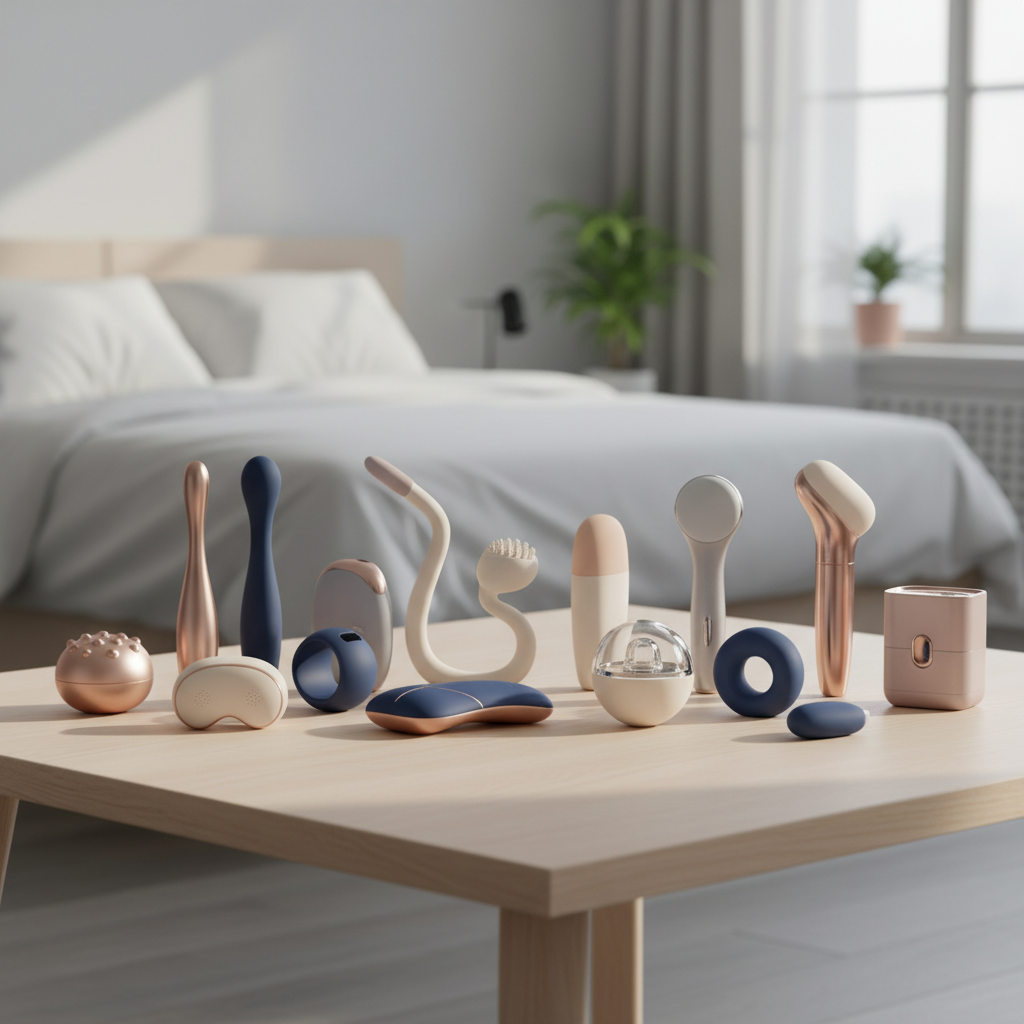
Exploring the Top Ten Gadgets in Intimate Technology
The world of personal wellness has seen a remarkable surge in technological innovation. Modern intimate devices are no longer simple tools but sophisticated gadgets designed with advanced features, high-quality materials, and user-centric engineering. From app connectivity to unique sensory experiences, these devices offer a wide range of functionalities. Here, we delve into ten distinct categories of intimate gadgets, exploring the technology and design that make each one unique.
1. App-Controlled Vibrators
At the forefront of modern intimate tech are app-controlled vibrators. These devices utilize Bluetooth technology to sync with a smartphone application, unlocking a world of customizable experiences. Through the app, users can create their own vibration patterns by simply drawing on the screen, adjust intensity with precision, or choose from an extensive library of pre-set modes. This level of control allows for a highly personalized experience tailored to individual preferences.
Furthermore, app integration often enables long-distance play. A partner can be given control of the device from anywhere in the world with an internet connection, making it a popular choice for long-distance relationships. The apps may also include features like syncing vibrations to music playlists or even to the sound of a partner's voice, adding another layer of interactive and immersive potential.
2. Air-Pulse and Suction Stimulators
Moving away from traditional vibration, air-pulse or suction stimulators offer a completely different type of sensation. Instead of relying on a rumbling motor, these gadgets use changes in air pressure to create gentle pulses and a suction effect. This technology, often referred to as "Pleasure Air Technology," is designed to stimulate nerve endings without direct contact, resulting in a unique and often intense experience.
The engineering behind these devices involves a small diaphragm that rapidly oscillates, creating waves of pressure within a silicone nozzle. Users can typically control the intensity of these pulses, ranging from a light flutter to a deep, powerful thrum. This innovative approach has gained immense popularity for providing a novel sensory experience that many find distinct from standard vibrational feedback.
3. Smart Kegel Exercisers
Smart Kegel exercisers represent a fusion of health and intimate wellness. These devices are designed to help users strengthen their pelvic floor muscles, which can have benefits for bladder control, core stability, and sexual health. What makes them "smart" is the integration of biofeedback technology. Internal sensors measure the pressure and duration of each muscle contraction as the user performs Kegel exercises.
This data is then transmitted to a connected smartphone app, which provides real-time feedback and tracks progress over time. The apps often gamify the experience, turning exercises into fun challenges and rewarding users for consistency. This technology transforms a mundane exercise into an engaging, data-driven activity, helping users perform the movements correctly and stay motivated to achieve their wellness goals.
4. Wearable Couples' Vibrators
Designed specifically for partnered use, wearable couples' vibrators feature an ergonomic, often U-shaped design. One part of the device is inserted to provide internal stimulation, while the other arm rests externally, stimulating the clitoris. The slim and flexible construction allows the device to be worn comfortably by one partner during intercourse, enhancing the experience for both individuals simultaneously.
Many of these gadgets are also app-controlled, allowing either partner to change the vibration patterns and intensity levels using a smartphone or a small, discreet remote. This adds an element of shared control and communication to intimate moments. The focus on a shared experience, combined with hands-free convenience, makes them a popular choice for couples looking to explore new dimensions of intimacy together.
5. Temperature-Play Devices
Introducing another sensory element, temperature-play devices incorporate heating and cooling functions. These gadgets use internal thermal technology, often powered by the Peltier effect, to safely and rapidly change the temperature of the device's surface. Users can switch between a soothing warmth and a refreshing coolness, or sometimes use both simultaneously on different parts of the device.
The sensation of temperature change can heighten arousal and add a surprising and exciting element to solo or partnered play. The engineering ensures the temperature remains within a safe and comfortable range. These devices often combine their thermal features with vibration, offering a multi-sensory experience that engages more than just the sense of touch.
6. Electro-Stimulation (E-Stim) Units
Electro-stimulation, or e-stim, offers a completely unique sensory experience by using mild electrical currents to stimulate nerve endings. An e-stim unit consists of a power box that generates the electrical pulses and one or more electrodes that are placed on the body. The power box allows users to control the intensity, frequency, and pattern of the pulses, creating sensations that can range from a light tingle to a deep, rhythmic throb.
Safety is a key design consideration, with modern units featuring built-in controls to prevent the output from becoming too strong. The electrodes come in various shapes and sizes, from simple adhesive pads to intricately designed probes made of conductive silicone or metal. This technology appeals to users seeking novel sensations beyond traditional vibration or pressure.
7. Rotating and Thrusting Devices
For those seeking a more dynamic experience, rotating and thrusting devices utilize complex internal mechanics to simulate different types of movement. Instead of just vibrating, these gadgets contain motors and gear systems that create distinct motions. Rotating devices often have beads or textured shafts that spin, while thrusting devices feature a mechanism that propels the shaft forward and backward.
Advanced models can combine these movements and even offer multiple speeds and patterns for each function. The engineering required to make these movements smooth, quiet, and powerful is significant. These devices are often larger and more powerful, designed to provide intense and varied internal stimulation that mimics human movement.
8. VR-Integrated and Interactive Devices
As virtual reality technology becomes more mainstream, the intimate gadget industry has begun to integrate it. VR-integrated devices are designed to sync with adult VR content, creating a deeply immersive experience. As the user watches content through a VR headset, the device responds in real-time to the actions on screen, synchronizing vibrations, thrusts, or other movements.
This is achieved through specialized interactive platforms and protocols that allow content creators to program device responses directly into their videos. Beyond VR, many of these gadgets can also sync with 2D interactive videos or even be used on live webcam platforms where viewers can control the device, adding a layer of interactive social engagement.
9. Audio-Responsive Gadgets
Audio-responsive technology allows a device's vibrations to sync with sound. Using a built-in microphone or a connection to a smartphone, these gadgets can pulsate in time with music, a partner's voice, or any ambient noise. The app or internal software analyzes the sound's frequency and volume to translate it into corresponding vibration patterns.
This feature can turn a favorite song into a tactile experience or allow for a unique form of long-distance connection where one partner's voice directly controls the other's sensations. The technology creates an unpredictable and exciting experience, as the patterns are constantly changing with the auditory input.
10. Discreet and Travel-Friendly Gadgets
For users who prioritize privacy and portability, discreet gadgets are a major category. The primary innovation here is in design and miniaturization. These devices are often disguised as everyday objects like a tube of lipstick, a makeup brush, or a piece of jewelry. This allows them to be stored or carried without drawing attention.
Despite their small size, these devices often pack surprisingly powerful motors, thanks to advancements in compact motor technology and efficient battery usage. They are typically made from body-safe materials and are often USB-rechargeable. The focus is on providing a powerful experience in a small, quiet, and inconspicuous package, making them ideal for travel or for users living in shared spaces.
The Technological Evolution of Personal Wellness Devices
The history of intimate gadgets is a fascinating reflection of broader technological progress. Early devices from the late 19th and early 20th centuries were bulky, loud, and required a direct connection to a wall outlet. They were often marketed as medical massagers, powered by rudimentary and inefficient electric motors. The core technology remained largely unchanged for decades, with a primary focus on simple, powerful vibration.
The revolution began in the late 20th century with two key developments: battery power and body-safe materials. The shift to batteries liberated devices from cords, making them more portable and versatile. Simultaneously, the introduction of medical-grade, non-porous silicone replaced older materials like rubber and jelly, drastically improving hygiene, safety, and sensory feel. This material is easy to clean, durable, and has a soft, skin-like texture, setting a new standard for quality.
The most recent leap forward has been driven by the digital age. The integration of Bluetooth, microprocessors, and smartphone apps has transformed these devices into "smart" gadgets. This connectivity allows for unprecedented customization, long-distance control, and interactive features that were once the realm of science fiction. From biofeedback sensors in Kegel trainers to VR synchronization, today's intimate devices are sophisticated pieces of consumer electronics focused on enhancing personal wellness and connection.
Understanding Key Features and Materials
What are the most common materials used and why?
The choice of material is one of the most critical aspects of an intimate device's design, directly impacting safety, hygiene, and feel. The gold standard in the industry today is body-safe silicone. This material is non-porous, meaning it doesn't harbor bacteria, making it exceptionally hygienic and easy to clean. It's also hypoallergenic, free from phthalates and latex, and has a soft, velvety texture that is comfortable against the skin. Its flexibility allows for ergonomic and comfortable designs.
Another common material is ABS plastic, which is often used for the handle or base of a device. ABS is a rigid, durable, and non-porous plastic that can house the electronic components safely. For users seeking different sensory experiences, materials like borosilicate glass and stainless steel are also popular. Glass and steel are non-porous and can be used for temperature play, as they can be safely warmed or cooled. The key takeaway is to look for non-porous materials that are explicitly labeled as "body-safe."
How does app integration enhance the user experience?
App integration has fundamentally changed how users interact with intimate devices, transforming them from simple tools into interactive platforms. The most obvious benefit is an enhanced level of control. Instead of being limited to a few pre-set buttons on the device itself, an app provides a visual interface for adjusting intensity with pinpoint accuracy and exploring a vast library of vibration patterns.
Beyond basic control, apps enable unique interactive features. The ability to "draw" custom vibration patterns on a touchscreen allows for true personalization. For couples, long-distance control over an internet connection bridges physical gaps and fosters intimacy. Other popular features include syncing vibrations to music for a multi-sensory experience or to ambient sounds via the phone's microphone. In the case of smart exercisers, the app provides crucial data tracking and guided programs, adding a layer of utility and motivation.
What should you look for in terms of charging and battery life?
Modern intimate gadgets have largely moved away from disposable batteries in favor of internal, rechargeable batteries, which is more convenient and environmentally friendly. The most common charging method is USB. Many devices come with a proprietary charging cable, often with a magnetic connection point, that plugs into any standard USB port (like one on a laptop or a phone charger brick).
When considering a device, it's useful to check its typical run time on a full charge and how long it takes to recharge. Battery life can vary significantly depending on the intensity levels and functions being used. A typical run time might be between 1 to 2 hours of continuous use, with a charging time of around 2 hours. Magnetic charging ports are a popular feature as they create a seamless, waterproof seal, making the device easier to clean and safer for use in water if it is designed to be fully submersible.
Conclusion
The landscape of intimate devices has evolved dramatically, driven by advancements in materials science, battery technology, and digital connectivity. Today’s gadgets offer a diverse array of functions designed to cater to a wide range of preferences and wellness goals. From the nuanced sensations of air-pulse technology to the immersive world of VR integration, these devices highlight how engineering and innovation continue to shape personal wellness. Understanding the technology behind them allows users to appreciate the sophistication and variety available in this rapidly growing category of consumer electronics.