Discover the Truth: Olive Oil and Its Benefits for Your Skin
So, is olive oil *really* the skincare miracle some claim it to be? The answer is more nuanced than a simple yes or no. While this kitchen staple is packed with powerful antioxidants and moisturizers, it's not the right fit for every skin type and can even lead to clogged pores.
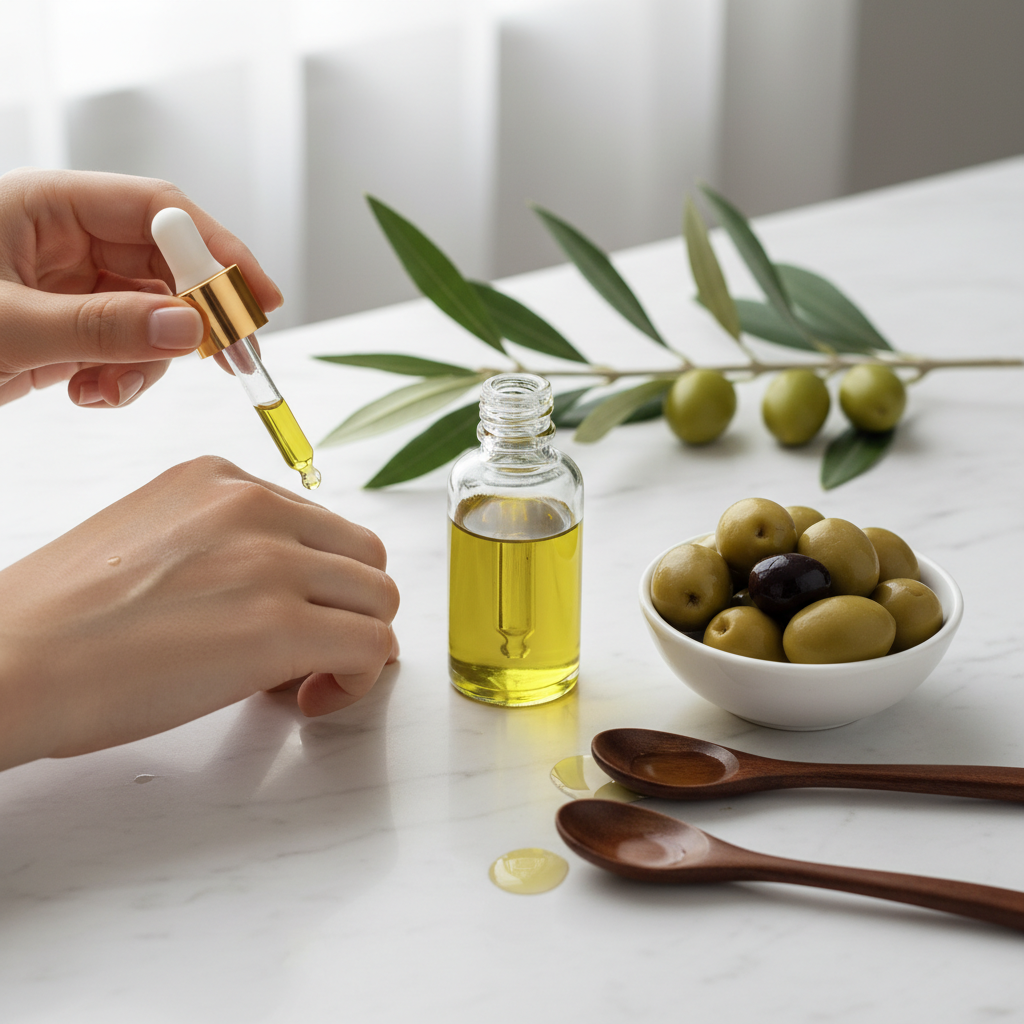
The Key Benefits of Using Olive Oil on Your Skin
For centuries, olive oil has been a staple in Mediterranean cultures not just for cooking, but also for skincare. This natural oil, derived from the fruit of the olive tree, is packed with compounds that can nourish, protect, and rejuvenate the skin. While it may not be the perfect solution for everyone, its potential benefits are worth exploring.
Powerful Antioxidant Properties
One of the most significant benefits of olive oil is its rich antioxidant content. It contains powerful compounds like polyphenols, vitamin E, and phytosterols. These antioxidants work to neutralize free radicals, which are unstable molecules that can cause damage to skin cells. Free radical damage, often caused by sun exposure and environmental pollutants, is a leading contributor to premature aging, including fine lines, wrinkles, and sunspots.
By applying olive oil topically, you provide your skin with a protective barrier against this oxidative stress. Vitamin E, in particular, is a well-known skin-loving nutrient that helps protect against ultraviolet light and maintain skin health. Regularly incorporating this antioxidant powerhouse into your routine can help preserve your skin's youthful appearance and resilience over time.
Intense Moisturization and Hydration
If you struggle with dry, flaky, or dehydrated skin, olive oil can be a game-changer. It is primarily composed of fatty acids, with oleic acid being the most prominent. These fatty acids are excellent emollients, meaning they help to soften and smooth the skin. More importantly, olive oil contains squalene, a natural lipid that our own skin cells produce to stay hydrated. As we age, our natural squalene production decreases, leading to dryness.
When applied to the skin, olive oil helps to replenish moisture levels and strengthen the skin's natural barrier. This barrier is crucial for locking in hydration and keeping out irritants. By forming a protective seal on the skin's surface, olive oil prevents transepidermal water loss (TEWL), ensuring your skin stays soft, supple, and hydrated for longer periods, especially in dry climates or during winter months.
Anti-Inflammatory Effects
Chronic inflammation is at the root of many skin conditions, including eczema, psoriasis, and rosacea. Olive oil contains a unique compound called oleocanthal, which has been shown to possess anti-inflammatory properties similar to ibuprofen. While applying it topically isn't the same as taking a pain reliever, these properties can help soothe irritated and inflamed skin.
For those with red, itchy, or sensitive skin, a small amount of olive oil can help calm the affected area. Its gentle nature makes it a potential natural remedy for reducing the discomfort associated with minor skin irritations. However, it's crucial to perform a patch test first, as it may not be suitable for all types of sensitive skin, particularly those with a compromised skin barrier.
Natural and Effective Makeup Remover
Finding a makeup remover that can tackle stubborn, waterproof products without stripping the skin of its natural oils can be challenging. Olive oil excels in this role because of the simple principle that "like dissolves like." Most makeup products, especially foundations, eyeliners, and mascaras, are oil-based. Olive oil effectively breaks down these oily substances, allowing you to wipe away makeup with ease.
To use it as a makeup remover, simply apply a small amount to your face and gently massage it in circular motions. You'll see the makeup begin to dissolve. You can then wipe it away with a soft, damp cloth. It's not only effective but also leaves your skin feeling soft and moisturized, unlike many harsh, alcohol-based removers that can cause dryness and irritation.
Choosing the Right Olive Oil for Your Skin
Not all olive oils are created equal, especially when it comes to skincare. The quality and processing method of the oil can dramatically impact its nutrient content and, consequently, its benefits for your skin. When you're browsing the aisles, you'll likely see several different types, but one stands out as the clear winner for topical use.
Extra Virgin Olive Oil (EVOO) is the highest quality and most recommended type for skincare. It is extracted using a method called cold-pressing, which means no heat or chemicals are used in the process. This gentle extraction preserves the maximum amount of vitamins, minerals, and potent antioxidants like polyphenols and oleocanthal. Because it is unrefined, EVOO retains its natural, nutrient-rich profile that delivers the anti-inflammatory and moisturizing benefits your skin craves.
Other types, such as "Virgin Olive Oil," "Pure Olive Oil," or "Light Olive Oil," have undergone more processing, often involving heat and chemicals. This refining process strips the oil of many of its beneficial compounds, reducing its effectiveness for skincare. When shopping, look for bottles labeled "Extra Virgin," "Cold-Pressed," and preferably "Unfiltered" to ensure you're getting the most potent and pure product.
Important Considerations and Potential Risks
While olive oil offers many compelling benefits, it's essential to understand that it may not be the ideal choice for every skin type or situation. Before you incorporate it into your daily routine, consider these important factors and potential drawbacks.
Can Olive Oil Clog Pores?
This is one of the most common concerns, and for good reason. Olive oil is considered moderately comedogenic, which means it has the potential to clog pores for some individuals. On the comedogenic scale (which ranks ingredients from 0 to 5 on their likelihood of clogging pores), olive oil typically scores a 2. While this is relatively low, it can still be problematic for those with naturally oily or acne-prone skin.
When pores become clogged with oil, dead skin cells, and bacteria, it can lead to blackheads, whiteheads, and inflammatory acne. The thick, heavy nature of olive oil, while great for dry skin, can sit on top of oilier skin types and trap debris. If you have a history of acne or are prone to breakouts, it's highly recommended to perform a patch test on a small, discreet area of your skin (like behind your ear or on your jawline) for several days to see how your skin reacts before applying it all over your face.
Is It Safe for All Skin Types?
The suitability of olive oil largely depends on your specific skin type and condition. For dry and mature skin, it can be a fantastic addition. Its intense moisturizing properties help combat dryness, reduce the appearance of fine lines, and restore a supple texture. The antioxidants are also particularly beneficial for aging skin, helping to fight off environmental damage.
For oily and acne-prone skin, caution is advised. As mentioned, its potential to clog pores could exacerbate existing acne or trigger new breakouts. If you have this skin type, you might consider using it sparingly as a makeup remover followed by a thorough cleansing with a water-based face wash, rather than leaving it on as a moisturizer. For combination skin, it might work well on drier areas like the cheeks but should be avoided on oilier zones like the T-zone.
Individuals with sensitive skin or a compromised skin barrier (often seen in conditions like atopic dermatitis or eczema) should also be cautious. Some studies suggest that oleic acid can disrupt the skin's barrier function in certain individuals, potentially making irritation worse. A patch test is absolutely essential for these skin types.
How to Properly Use Olive Oil in Your Skincare Routine
If you've decided that olive oil is a good fit for your skin, using it correctly can maximize its benefits and minimize potential risks. A little goes a long way, so start with just a few drops. One of the best methods is to apply it to slightly damp skin, as this helps to lock in the moisture more effectively. You can spritz your face with water or apply it right after cleansing while your skin is still moist.
For moisturization, it’s best used as the final step in your nighttime routine. After applying your serums or other treatments, gently pat a thin layer of olive oil onto your face to seal everything in. This "slugging" technique helps prevent moisture loss overnight. If using it as a cleanser or makeup remover, massage it into dry skin, then rinse with warm water and follow up with your regular foaming or gel cleanser to ensure no oily residue is left behind (a method known as "double cleansing").
Conclusion
Olive oil can be a beneficial, natural, and cost-effective addition to a skincare routine, particularly for those with dry or mature skin. Its rich blend of antioxidants, fatty acids, and anti-inflammatory compounds offers powerful moisturizing and protective properties. However, it is not a one-size-fits-all solution. Its moderately comedogenic nature means it may not be suitable for individuals with oily or acne-prone skin. As with any new skincare product, understanding your skin type and performing a patch test are crucial steps to ensure you reap the benefits without any unwanted side effects.