Discover the Ultimate Fun Toys That Will Keep Your Cat Entertained
Finding a toy that can hold a fickle cat's attention is no easy task, but you've come to the right place. We've sifted through the options to find the tried-and-true winners that tap into your cat's natural instincts to hunt, chase, and pounce.
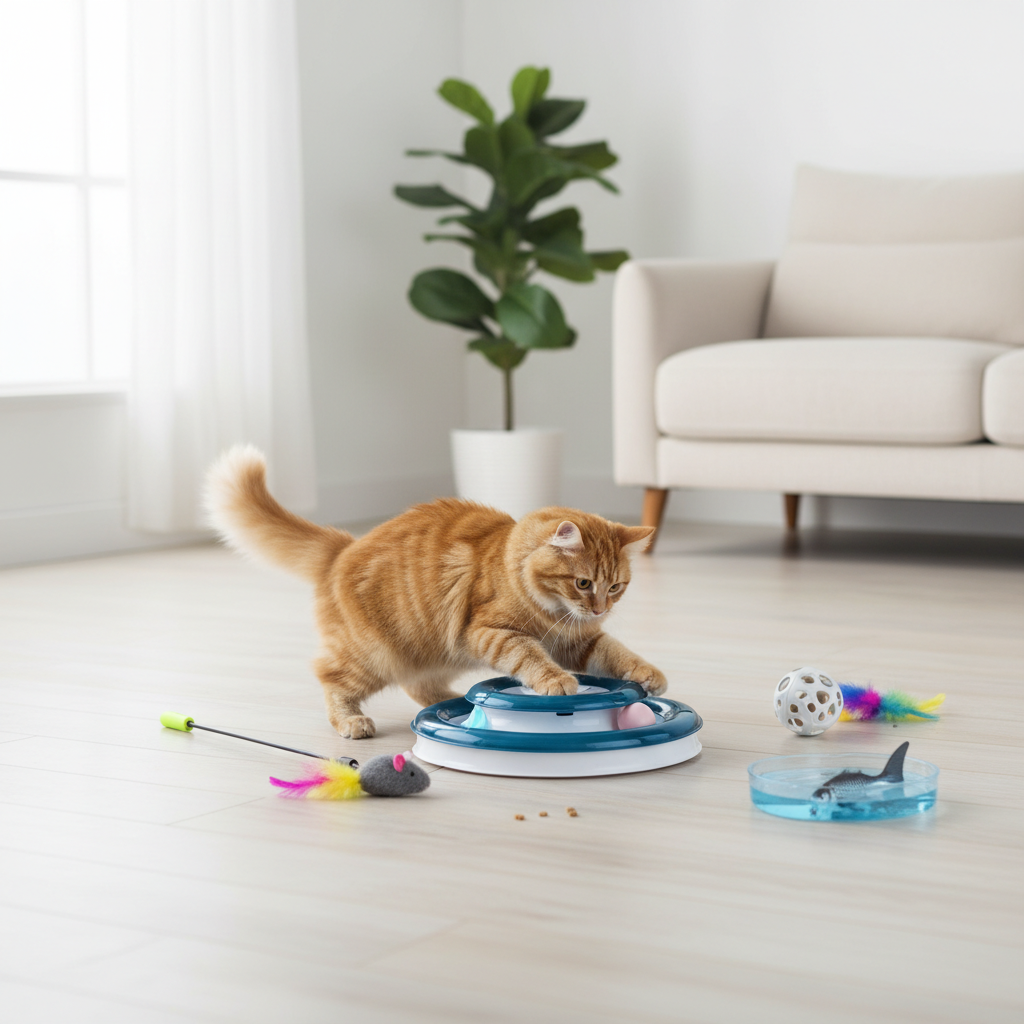
Fun Toys Your Cat Will Go Crazy About
Providing your feline companion with engaging toys is crucial for their mental stimulation, physical health, and overall happiness. Play mimics their natural hunting instincts, allowing them to stalk, pounce, and capture "prey" in a safe environment. But with a vast world of cat toys available, which ones truly capture a cat's attention? Understanding the different types of toys and why they appeal to a cat’s senses can help you provide the most enriching playtime experience.
From simple classics to interactive gadgets, the best toys tap into a cat's predatory drive. Here’s a comprehensive look at some of the most popular and effective types of toys that cats find irresistible.
1. Interactive Wands and Teasers
Wand toys, often featuring feathers, ribbons, or small stuffed objects at the end of a string, are a phenomenal tool for interactive play. They allow you to directly engage with your cat, controlling the movement of the "prey" to mimic the unpredictable actions of a bird or mouse. This type of play is incredibly satisfying for a cat because it involves a shared experience with their human, strengthening your bond while providing excellent physical exercise.
The key to using a wand toy effectively is to move it realistically. Make it flutter through the air like a bird, skitter across the floor like a rodent, or hide behind furniture to entice your cat’s stalking instinct. Allowing your cat to successfully "catch" the toy at the end of the session provides a sense of accomplishment, completing their natural hunt-catch-kill sequence and preventing frustration.
2. Laser Pointers
Few things can get a cat sprinting and leaping around a room like the elusive red dot of a laser pointer. This toy taps directly into their prey drive, triggering an instinctual need to chase the fast-moving light. It’s an excellent way to get a sedentary or overweight cat moving, providing intense cardiovascular exercise in short, fun bursts. The rapid, unpredictable movement keeps them highly engaged and focused.
While incredibly stimulating, it's important to use laser pointers responsibly. Because a cat can never physically catch the light, this can lead to frustration. To combat this, always end a laser pointer session by switching to a physical toy, like a wand or a treat-filled ball, that your cat can actually capture. This provides the satisfaction of a successful hunt and a tangible reward for their efforts.
3. Catnip-Infused Toys
For the roughly 70-80% of cats who are genetically susceptible to its effects, catnip can turn a simple toy into an object of obsession. Catnip contains a compound called nepetalactone, which triggers a euphoric, playful response in many felines. They may rub against, lick, or chew on the toy, often followed by a burst of energetic running and rolling around. This reaction typically lasts for about 10-15 minutes before they become temporarily immune to its effects.
Catnip toys come in all shapes and sizes, from small mice and kickers to plush pillows. The scent stimulates their minds and encourages play, making it a great option for encouraging a lazy cat to get active. For cats that don't respond to catnip, alternatives like silver vine or valerian root can often produce a similar, exciting effect.
4. Puzzle Feeders and Treat Dispensers
In the wild, cats have to work for their food. Puzzle feeders reintroduce this mental challenge into a domestic cat’s life. These toys require your cat to bat, roll, or manipulate the object in a specific way to release a small treat or piece of kibble. This not only slows down fast eaters, which can aid in digestion and weight management, but it also provides crucial mental stimulation by encouraging problem-solving skills.
Puzzle feeders combat boredom, which is a common cause of behavioral issues in indoor cats. By making them think and engage their paws and mind to get a reward, you are satisfying their instinct to forage and hunt. There are various difficulty levels available, so you can start with a simple one and gradually introduce more complex puzzles as your cat becomes more adept.
5. Crinkle Balls and Sound Toys
A cat’s hearing is incredibly sensitive, and toys that make intriguing sounds can be highly stimulating. Crinkle balls, which make a rustling noise when batted or pounced on, mimic the sound of small prey moving through grass or leaves. This noise can instantly trigger a cat’s predatory focus, making these lightweight balls perfect for a game of solo fetch or batting practice across the floor.
Other sound toys may contain bells or rattles. The gentle jingle as the toy is moved can keep a cat engaged and help them track its location as they chase it. These toys are particularly effective for solitary play, giving your cat an entertaining outlet for their energy when you're not available to play with them directly.
6. Tunnels and Hideaways
Cats are ambush predators by nature, and they love having a secure place from which to stalk their "prey" or simply observe their surroundings. Play tunnels provide the perfect environment for this. Many cats will enjoy darting through a tunnel, hiding inside to pounce on a passing toy (or foot), or simply using it as a cozy, private napping spot. Some tunnels are made with crinkly material, adding an extra layer of sensory excitement.
Similarly, cat cubes or enclosed beds give them a sense of security and a prime vantage point. These hideaways tap into their instinct to seek out small, enclosed spaces where they feel safe and protected. Integrating these into playtime can add a new dimension to games like hide-and-seek with a wand toy.
7. Electronic Motion Toys
For busy pet owners, electronic toys can be a fantastic way to ensure a cat gets stimulation throughout the day. These battery-operated or rechargeable toys are designed to move on their own, often in random and unpredictable patterns. Common designs include a "mouse" that scurries under a piece of fabric or a feather that pops in and out of a base unit.
The autonomous movement of these toys can captivate a cat's attention for long periods, encouraging them to stalk, pounce, and play even when you are not home. They are an excellent solution for preventing boredom and promoting activity in single-cat households, providing an outlet for pent-up energy that might otherwise be directed toward destructive behaviors.
Understanding the 'Why': The Science Behind Feline Play
A cat's desire to play is not just about having fun; it's a deeply ingrained biological drive. Domestic cats retain the powerful predatory instincts of their wild ancestors. Play is essentially a simulation of the hunt, allowing them to practice and perfect the skills needed for survival, even if their next meal is guaranteed to come from a bowl. This sequence can be broken down into key stages, and the best toys are those that allow a cat to complete this cycle.
The first stage is the stalk. This is when a cat spots its "prey" and begins to approach it slowly and silently, using cover to remain undetected. Toys like tunnels and furniture encourage this behavior. The next stage is the chase or pounce, a burst of explosive energy to close the distance. Laser pointers and wand toys are perfect for triggering this phase. Finally, there is the "capture," where the cat physically grabs the toy with its paws or mouth. This is a critical step for providing satisfaction. Allowing a cat to catch a physical toy at the end of a play session completes the sequence and provides a sense of accomplishment, preventing the frustration that can arise from endlessly chasing an unattainable target.
Common Questions About Cat Toys and Playtime
How Often Should I Play With My Cat?
Consistency is more important than duration. Most veterinarians and animal behaviorists recommend engaging in at least two play sessions per day, each lasting about 10-15 minutes. This routine helps burn off excess energy, reduces stress, and strengthens the bond between you and your pet. Kittens and younger, more active cats may require more frequent or longer sessions to stay stimulated.
The best times for play are often in the morning and evening, as cats are naturally crepuscular (most active at dawn and dusk). A good play session before bedtime can help tire your cat out, leading to a more restful night for everyone. Pay attention to your cat’s signals; if they start panting, slowing down significantly, or losing interest, it’s time to wind down the session.
Are There Any Safety Concerns with Cat Toys?
Yes, safety should always be a top priority. It's crucial to supervise your cat during playtime, especially with toys that have strings, ribbons, feathers, or small parts that could be chewed off and ingested. These items can pose a serious choking hazard or cause internal blockages if swallowed. Wand toys should be put away securely after each use and never left out for a cat to play with unsupervised.
Regularly inspect all toys for signs of wear and tear. If a toy is falling apart, it's best to discard it to prevent your cat from swallowing broken pieces. Choose toys that are appropriately sized for your cat and made from non-toxic materials. By being vigilant, you can ensure that playtime remains a safe and enjoyable activity.
Can I Make My Own Cat Toys at Home?
Absolutely! DIY cat toys can be a fun, cost-effective way to provide enrichment. Many simple household items can be repurposed into fantastic toys. For example, a crumpled-up piece of paper or a ball of aluminum foil can provide endless entertainment as your cat bats it around. A simple cardboard box is often a cat's favorite "toy," offering a perfect hiding spot and a surface to scratch and chew.
You can also create a simple wand toy by securely tying a feather or a strip of fabric to a sturdy stick. A toilet paper roll can be folded at the ends to create a puzzle feeder for treats. When making your own toys, always prioritize safety. Avoid using small, detachable items like buttons or googly eyes, and ensure that any materials used are non-toxic and durable enough to withstand sharp claws and teeth.
Conclusion
Providing a variety of engaging toys is one of the best ways to ensure your cat lives a happy, healthy, and stimulated life. By understanding their natural instincts and catering to their need to hunt and play, you can prevent boredom and strengthen your bond. Whether it's an interactive wand, a challenging puzzle feeder, or a simple cardboard box, the right toys can make a world of difference in your feline friend's well-being.